If you’ve ever walked through a residential construction site, you’ve probably seen light steel keels—those lightweight, yet incredibly strong metal frames that stud walls, support ceilings, and form the skeleton of modern prefab homes. As a supplier of light steel keel roll forming machines, one of the most common questions I field from first-time buyers, small construction contractors, and even startup prefab builders is this: “Is it easy to operate one of these machines?” The short answer is that it’s far simpler than most people assume, but like any industrial equipment, its ease of use depends on a few key factors: proper setup, basic training, and how well you align the machine with your specific production needs. Let me break this down from the perspective of someone who’s worked with these machines for over a decade, walking customers through unboxing, setup, and day-to-day use every single week. Light Steel Keel Roll Forming Machine

First, let’s dispel a common myth: you don’t need a background in mechanical engineering to run a light steel keel roll forming machine. Early models, dating back to the 1990s, required constant manual adjustments, hands-on calibration, and even on-the-spot fixes to avoid warped or misaligned keels. Today’s modern machines—especially the ones we design and supply—are built with user-centric features that eliminate most of that guesswork. Let’s start with the setup process, which is where a lot of new operators get intimidated, but it’s actually straightforward. When a machine arrives at your facility, it comes with a step-by-step manual, a pre-calibrated roll forming tool set matched to your keel size (whether that’s 75mm, 100mm, or 150mm studs), and a touchscreen controller that’s programmed right out of the box. You just need to unload the machine, connect it to a standard three-phase power supply, and load your raw material—typically galvanized steel coils ranging from 0.4mm to 1.2mm thick. Most of our customers have their machine up and running on their first day, with only a 1 to 2 hour walkthrough from one of our on-site technicians to confirm the coil is aligned properly and the controller is set to the right keel profile.
The heart of the machine’s ease of operation is its digital control system. Unlike old models that required adjusting dozens of mechanical knobs and gears, modern controllers use a PLC (Programmable Logic Controller) and a human-machine interface (HMI) that looks and works like a smartphone. You input your desired keel dimensions, quantity, and cut length, and the machine does the rest. It automatically feeds the steel coil through a series of roller dies that shape the metal into the exact profile you need, punches holes for electrical wiring or fasteners, and cuts the keel to your specified length with laser precision. I’ll admit, the first time a customer watches the machine run, they’re often surprised by how smooth it is. There’s no grinding, no messy manual bending, and very little waste material because the controller adjusts feed rates and cuts with minimal error. For example, if you need 500 100mm wall studs, you punch a few buttons on the screen, and the machine spits out perfectly uniform studs in under 20 minutes. That’s a huge upgrade from the old days, where fabricating that same quantity would have required two people working all day with manual cutters and benders.
But let’s be honest—ease of operation doesn’t mean zero learning curve. There are a few basic skills every operator needs, and they’re all simple to master with a few hours of training. The most common task an operator will perform is routine maintenance, which actually takes less time than changing the oil in a pickup truck. You’ll need to clean the roller dies regularly to prevent rust and metal shavings from building up, lubricate the moving parts every 500 hours of use, and check that the cutters stay sharp. Our training sessions cover these tasks in depth, and we even provide a free maintenance checklist that comes with every machine. Another small skill is troubleshooting minor issues. For example, if a keel comes out slightly warped, it’s usually a quick fix: you just adjust the coil alignment on the uncoiler or check for a small metal chip stuck in one of the roller dies. We also offer 24/7 technical support for all our customers, so if you run into a problem, you can call or message our team and we’ll walk you through a solution step-by-step, no matter where your facility is located.
Another factor that makes operating these machines easy is their scalability, which is perfect for businesses of all sizes. Whether you’re a small contractor building 10 homes a year or a large prefab manufacturer building 100 homes a month, the machine can be adjusted to match your output. For small operations, you can run the machine with just one person, who can handle loading the coil, monitoring the touchscreen, and moving finished keels to a pallet. For larger operations, you can add a second person to help with material handling, but even then, the machine doesn’t require extra technical skills. We’ve even supplied machines to new builders who’ve never worked with metal fabrication before, and within a week, they’re producing keels for residential projects without any issues. One customer in rural Ohio told me last year that he went from building wood-framed homes to using light steel keels, and the machine was so easy to learn that his 19-year-old nephew, who had no industrial experience, was operating it within three days.
Of course, there are a few things that can make operating the machine more difficult, and they’re all avoidable. The biggest mistake new owners make is buying a machine that’s too complex for their needs, or not getting proper training. For example, some cheap, imported machines cut corners on the control system, using outdated controllers that are hard to navigate and require constant manual adjustments. That’s why it’s important to work with a reputable supplier who builds machines with intuitive controls, not just the cheapest parts. Another mistake is using raw material that’s not up to spec. If your steel coil is warped or has inconsistent thickness, it can cause the machine to jam or produce imperfect keels. But that’s a material issue, not a machine operation issue, and our team will help you source high-quality steel coils if you need it.
Let’s also talk about long-term operation, because ease of use isn’t just about the first day—it’s about running the machine reliably for years. The machines we supply are built with durable components, and most require only basic maintenance to run smoothly for 10+ years. We also offer software updates for the control system, so you can upgrade the machine’s features as your business grows, without having to buy an entirely new unit. That means even if you start small, your machine will grow with you, and you won’t have to learn a whole new system as your production needs change.
If you’re still on the fence about whether a light steel keel roll forming machine is right for your business, or you’re worried about the learning curve, the best thing to do is reach out to us. We offer free demonstrations of our machines at our facility, so you can watch them run in person, try the control system yourself, and ask our team any questions you have. We can also customize the machine to match your specific keel profiles and production goals, so you’re not paying for features you don’t need. Operating a light steel keel roll forming machine doesn’t have to be a complicated or intimidating process. With the right machine, a few hours of training, and consistent basic maintenance, you’ll be producing high-quality keels in no time, and saving time and money compared to traditional wood framing or manual metal fabrication.
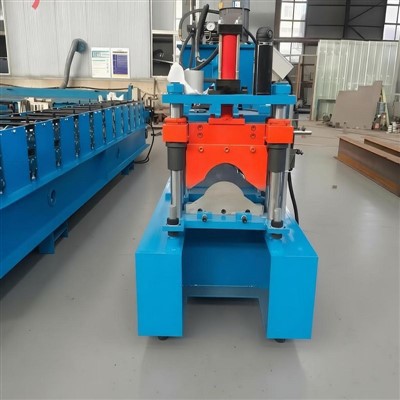
If you’re ready to learn more about how a light steel keel roll forming machine can streamline your production, or you have questions about operation, pricing, or customization, please get in touch with our team to discuss your needs. We’re here to help you find the right solution for your business, and we’ll provide the support you need to get up and running smoothly.
Roofing Sheet Roll Forming Machine References
Roll Forming Handbook. Society of Manufacturing Engineers, 2018.
Modern Construction Equipment: Light Steel Frame Fabrication. National Association of Home Builders, 2021.
PLC and HMI Basics for Industrial Equipment Operators. International Society of Automation, 2020.
Botou Shengda Cold Forming Machinery Equipment Manufacturing Co., Ltd.
As one of the most professional light steel keel roll forming machine manufacturers and suppliers in China, we’re featured by quality products and good price. Please rest assured to buy durable light steel keel roll forming machine made in China here from our factory. Contact us for more details.
Address: Liuxin Village, Botou Town, Botou City, Cangzhou City, Hebei Province
E-mail: cangzhoushengda888@163.com
WebSite: https://www.sdrfm.com/
