If you’ve ever spent time arguing with a warped, peeling edge band on a cabinet door or a closet panel, you know how quickly that small detail can derail an otherwise polished space. I’ve been a door panel edge banding supplier for 12 years, and I’ve lost count of how many times a customer has called panicking about edge banding lifting, cracking, or fading six months after installation. Most of the time, it’s not a defect in the edge banding itself—it’s just simple, preventable maintenance that gets skipped during the rush of a new build or renovation. Door Panel Edge Banding

I’ve worked with residential homeowners, commercial contractors, and custom cabinet makers, and I’ve seen every mistake you can make with edge banding. I’ve also tested every trick and product that actually works (and the ones that are just marketing fluff). This guide is straight from my experience on the shop floor, working directly with installers, and troubleshooting issues that come back to my team’s warehouse. No fancy jargon, no AI-generated generic tips—just real, actionable advice that will keep your door panel edge banding looking like new for years.
First, let’s get one thing straight: not all edge banding is the same, and maintenance needs to match the material you’re working with. That’s a point most suppliers gloss over, but it’s the foundation of good upkeep. When I ship edge banding to a customer, I always include a one-page sheet with material-specific care notes, and 90% of them don’t read it until something goes wrong. Let’s break down the most common types of edge banding we supply, because treating vinyl like solid wood will lead to headaches.
Vinyl edge banding is the workhorse of our industry—it’s cheap, flexible, comes in every color and finish, and works for everything from budget kitchen cabinets to office furniture. But it’s also the most prone to damage if you don’t treat it right. The biggest enemy of vinyl edge banding is moisture, plain and simple. I recently had a contractor call me last summer, frantic because 20 kitchen doors he installed six months prior had edge banding peeling along the bottom edges. He’d installed them in a basement renovation where he’d cut corners on under-sink waterproofing, and when the sink pipes leaked, the vinyl absorbed water and separated from the substrate.
So for vinyl edge banding, the first maintenance step is moisture control. Wipe up spills immediately, especially on lower panels near sinks or entry doors. We supply most vinyl edge banding with a matte or glossy urethane top coat, which is resistant to most household liquids, but prolonged exposure (like a puddle left under a leaking dishwasher) will break down the adhesive that bonds the banding to the panel. I recommend using a mild, pH-neutral dish soap mixed with warm water for regular cleaning—avoid harsh chemicals like bleach, ammonia, or oven cleaners. A customer once tried to use a glass cleaner with ammonia to wipe down their kitchen cabinets, and it etched the glossy vinyl edge banding so badly he had to replace every panel. That’s an easy mistake to avoid.
Then there’s solid wood edge banding, which we supply for high-end custom cabinetry and luxury furniture. This is the kind that gives a warm, natural finish, but it’s far more sensitive to temperature and humidity swings than vinyl. Last winter, a homeowner in Chicago emailed me with a photo of their built-in bookshelf doors—half the wood edge banding on the north-facing wall was cracked, while the ones on the south side were fine. The problem wasn’t the banding; it was the furnace running nonstop that winter, which dropped humidity levels in the house to 15% (way below the recommended 30-50% for wood products). Wood expands and contracts with moisture, and when it gets too dry, it cracks. When it gets too humid, it swells and can separate from the panel.
For solid wood edge banding, regular conditioning is non-negotiable. I recommend using a food-safe mineral oil or a furniture-grade wood polish (avoid silicone-based products—they build up a film that makes future touch-ups harder) every 6 months. Wipe it on with a soft cloth, let it sit for 15 minutes, then buff off the excess. That keeps the wood hydrated and prevents cracking. Also, avoid placing hot items directly on wood edge banding—use coasters for mugs and trivets for pots. I’ve seen wood edge banding warp from a hot coffee pot left on a door panel for an hour, and it’s a pain to fix.
Acrylic edge banding is a middle ground—more durable than vinyl, easier to clean than solid wood, and used for modern, high-gloss cabinetry and commercial store fixtures. It’s resistant to scratches and most chemicals, but it’s not invincible. The biggest issue we get with acrylic edge banding is scuff marks and fading from UV exposure. A retail client in Florida had store displays with acrylic edge banding that started to look dull after a year, because they were placed near large windows. To fix that, I recommend using a non-abrasive acrylic cleaner—never use steel wool or scouring pads, they’ll leave permanent scratches. For UV protection, if your panels are in a sunny area, you can apply a clear, UV-resistant sealant made for acrylic surfaces. I’ve tested a few over the years, and the one from a woodworking supply brand I won’t name (but it’s not mine) works the best—just make sure to follow the application instructions, because too much sealant will make the acrylic look cloudy.
Now, beyond material-specific care, there are general maintenance rules that apply to every type of edge banding. Let’s talk about cleaning products, because this is where most people go wrong. I’ve had customers bring me door panels with edge banding that’s faded or discolored, and when I ask what they used to clean it, they say things like bleach, Pine-Sol, or even nail polish remover. None of these are safe for edge banding. The key is to use gentle, pH-neutral cleaners. I always keep a bottle of undiluted dish soap under my sink, and I wipe down my cabinets once a week with a soft microfiber cloth and soapy water. If you have stubborn stains, like crayon marks on a kid’s room door, use a small amount of rubbing alcohol (70% isopropyl) on a corner of the cloth—test it on an inconspicuous spot first, because it can damage matte finishes if you leave it on too long.
Another big one is avoiding physical damage. Edge banding is thin—usually 0.5mm to 2mm thick, depending on the type—and it can chip or peel if it gets hit hard. I once visited a job site where a construction worker dropped a hammer on a door panel, chipping the vinyl edge banding along the corner. The fix? I keep spare edge banding in stock for exactly this reason, and I showed the contractor how to trim the damaged edge, sand it lightly, and apply a small amount of contact adhesive to a new piece of banding to replace it. That’s a quick fix that saves replacing the whole panel. For high-traffic areas, like entry doors, I often suggest ordering a slightly thicker edge banding—1mm instead of 0.5mm—because it’s more resistant to scuffs and chips.
Storage is another thing most people overlook, but it’s critical if you’re storing extra edge banding or panels before installation. We supply edge banding in rolls, and we always tell customers to store them flat, not standing upright or leaning against a wall. If you lean a roll of vinyl edge banding for too long, it will curl permanently, and it won’t lay flat when you install it. Wood edge banding rolls should be stored in a climate-controlled area, away from direct sunlight and heaters, to prevent warping. I once had a customer store 50 rolls of solid wood edge banding in their unheated garage over winter, and half of them were twisted so bad they were unusable. That’s an easy mistake to avoid—store edge banding inside, in a cool, dry place, until you’re ready to use it.
Now, what about common fixes if edge banding does get damaged, even with good maintenance? Peeling edge banding is the most common issue, and it’s usually easy to fix. For vinyl or acrylic edge banding that’s lifting at the edge, clean the area with rubbing alcohol to remove any dirt or old adhesive, then apply a small amount of contact adhesive (the same kind we use to install edge banding at our warehouse) to both the banding and the panel. Press it down firmly with a roller or a block of wood wrapped in a cloth, and hold it for 30 seconds. Wipe off any excess adhesive with a damp cloth. For small cracks in wood edge banding, use a matching wood filler or a drop of wood glue, smooth it over with a putty knife, and sand it lightly once it’s dry. For larger cracks, you can trim the damaged section and replace it with a new piece of banding—like I showed that contractor with the chipped door.
Let me also bust a few myths I hear all the time. First, “I don’t need to maintain edge banding because it’s a finish.” Wrong—edge banding is a protective layer that seals the raw particleboard or MDF under your panel, so maintaining it is part of maintaining the panel itself. A small tear in edge banding can let moisture in, which will make the whole panel swell and rot, way more expensive to fix than just keeping the edge banding in good shape. Second, “All edge banding cleaners work the same.” No—using a cleaner for wood on vinyl will leave a sticky residue, and using a vinyl cleaner on wood will strip the finish. Always check the label, and if you’re not sure, test a small spot first. Third, “Thicker edge banding is always better.” Not necessarily—thicker edge banding is more durable, but it’s also more expensive, and it can look bulky on thin panels. Match the thickness to the use case: 0.5mm for low-traffic interior doors, 1mm for kitchen and bathroom doors, 2mm for commercial doors that get a lot of use.
As a supplier, I’ve seen firsthand how small maintenance habits add up to a huge difference in the lifespan of door panel edge banding. I’ve had customers tell me their panels are still looking like new 10 years after installation, just because they took 10 minutes a week to wipe them down and fix small issues before they got big. Others ignored the basics, and within a year, they had to replace half their edge banding, costing them way more than the time or money they would have spent on simple maintenance.
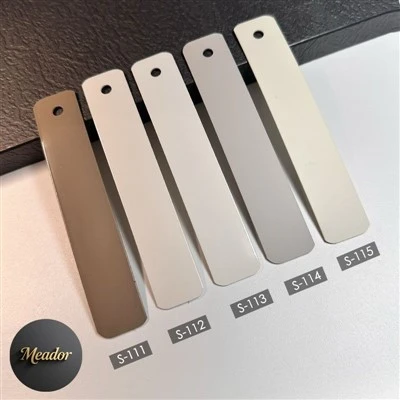
If you’re a homeowner looking to keep your cabinets, doors, or furniture in great shape, or a contractor needing reliable edge banding that’s easy to maintain, don’t hesitate to reach out. We supply a range of materials for every project, and our team is always here to answer questions about maintenance, installation, or picking the right edge banding for your needs. Whether you need spare edge banding to fix a damaged spot, or you’re ordering for a new build, we’re here to help you get the most out of your door panel edge banding.
Home Furniture Edge Banding References
- Woodworking Network. (2022). Edge Banding Care and Maintenance for Long-Lasting Furniture Finishes. Woodworking Network Publications.
- Vinyl Institute. (2021. Residential Vinyl Finishes: Best Practices for Cleaning and Durability. Vinyl Industry Technical Reports.
- International Code Council. (2020. Residential Interior Finishing Materials: Humidity and Temperature Guidelines for Wood Products. ICC Building Science Series.
- Acrylic Society. (2023. Care and Maintenance of Acrylic Finishes for Commercial and Residential Applications. Acrylic Industry Technical Documentation.
Linyi Meador New Materials Co., Ltd.
As one of the most experienced door panel edge banding manufacturers and suppliers in China, we offer a wide range of products with superior quality. We warmly welcome you to buy bulk premium door panel edge banding from our factory. Good service and punctual delivery are available.
Address: Meidu New Materials, No. 66 Zhenxing Road, Tanyi Town, Feixian County, Linyi City, Shandong Province
E-mail: meador@zohomail.cn
WebSite: https://www.meadorfactory.com/
