Hey everyone, if you’re working with hydraulics, I know first-hand how frustrating it can be when a part suddenly acts up—one minute your system’s running smooth, the next it’s spitting out weird noises, dropping pressure, or just not doing what it’s supposed to. As a hydraulic parts supplier, I’ve fixed my fair share of these headaches with customers over the years, and today I’m breaking down the most common issues and how to troubleshoot ’em yourself, no need to call a pro right away. Let’s dive in. Hydraulic Parts
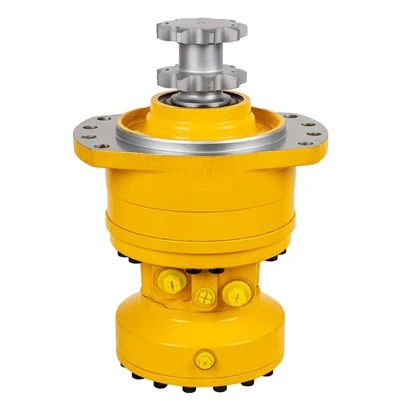
First, let’s start with the big one: no pressure or super low pressure. This is like your hydraulic system’s version of a flat tire—you can still move, but it’s slow and weak. I see this all the time with new customers, especially if they’re running a parts-worn or budget set. Let’s break the checks down step by step, no skipping. First, check the fluid level. Wait, I know, it sounds basic, but you’d be shocked how many people skip this. If your reservoir is below the minimum line, the pump’s sucking air instead of fluid—air bubbles kill pressure fast. Next, check for air leaks in the suction line. The suction line’s the one that brings fluid from the reservoir to the pump, right? If there’s a loose clamp, a cracked hose, or a faulty seal here, air gets in, and your pressure drops. How do you test this? Run the system, then spray some soapy water on the suction line fittings—if bubbles form, that’s your leak. Don’t just tighten the clamp; if the hose’s cracked, swap it stat. Then, check the relief valve. The relief valve is like a pressure regulator—if it’s stuck open (gunk buildup, worn spring, wrong setting), it’ll bleed pressure before it can get to your cylinders or motors. A lot of people mess with this when they’re adjusting pressure, so double-check that it’s set to the manufacturer’s spec, not someone’s random tweak. Oh, and don’t forget the filter! A clogged suction filter will restrict fluid flow, so even if the level’s right, the pump can’t pull enough fluid. If you haven’t changed the filter in a while, swap it out—cheap fix, saves you a ton of hassle.
Next up: weird noises. Like, not a normal hydraulic hum, but something that sounds like grinding, whinning, or cavitation. Cavitation is the big noise culprit here. What’s cavitation, you ask? It’s when air bubbles form in the fluid, then collapse violently when they hit a higher pressure area—think tiny explosions inside your system. That’s that pinging or grinding noise, and it can eat away at your pump’s internals if you ignore it. Fixing cavitation usually goes back to that suction line stuff we talked about: low fluid, air leaks, clogged suction filter. Another noise I see is a whine from the pump itself. If it’s not cavitation, it might be worn pump parts—like a loose impeller, or damaged vanes in a vane pump. But wait, before you rush to buy a new pump, check the fluid viscosity. If you’re using the wrong weight fluid (too thin or too thick), that’ll make the pump work harder and whine. Most systems use 32 or 46 weight hydraulic fluid, but check your manual—using the wrong one is a super easy mistake. Then there’s grinding from cylinders. If your cylinder is making metal-on-metal noise when it extends, that’s usually a worn seal or a scored rod. A scored rod happens when dirt or debris gets past the seal and scratches the rod—so if you see that, you’ll need to clean the rod really well, maybe polish the scratches, and replace the seal before it gets worse.
Third common issue: leaks. Hydraulic fluid on the floor is never a good look, and it’s also a fire hazard and a waste of money. Leaks can be from hoses, seals, fittings, or even the reservoir. Let’s start with external leaks first, since those are easiest to spot. Fitting leaks: if a threaded fitting is dripping, it’s usually either loose or the seal (like an O-ring or Teflon tape) is worn. If it’s loose, tighten it—don’t over-tighten, though, that can crack the fitting or the hose end. If it’s not tight, replace the O-ring; old O-rings get brittle over time, especially if you’re running hot fluid. Hose leaks: check for bulges, cracks, or soft spots on the hose. Hydraulic hoses have a pressure rating, so if you’re using a hose that’s rated too low, it’ll burst under pressure. Also, if the hose is rubbing against something (like a frame part), that can wear through the cover and cause leaks. Wrap it in a hose guard if that’s the case, or re-route it so it doesn’t rub. Internal leaks are trickier—those are leaks inside the cylinder or pump, so you won’t see fluid on the floor, but your system will lose pressure over time, or the cylinder will drift when it’s supposed to hold position. For cylinders, internal leaks are usually bad piston seals. If you pull the cylinder apart, you’ll see the seal is torn or worn; replace it, and make sure you inspect the cylinder bore for scratches while you’re at it. For pumps, internal leaks mean the pump’s internal parts are worn—vanes, gears, or pistons, depending on the pump type. Again, don’t jump to a new pump right away; sometimes replacing the internal wear kit (yes, we sell those) is way cheaper than a full pump.
Fourth issue: slow or unresponsive cylinders. If your cylinder takes forever to extend, or won’t move at all, that’s usually a flow problem, not pressure. Wait, pressure is force, flow is speed—so low flow = slow movement. First, check the directional control valve. The valve that directs fluid to the cylinder can get clogged with gunk, or the spool can stick. If the spool’s stuck, you can try tapping it gently with a wrench (don’t hammer it) to loosen it, but if that doesn’t work, you might need to take it apart and clean it, or replace the valve. Next, check for restrictions in the lines. A kinked hose, a partially closed valve, or a clogged return line can restrict flow. Follow the line from the valve to the cylinder—if it’s kinked, straighten it, and if the end fittings are clogged, clean them out. Also, if you have a multi-cylinder system, make sure the flow divider (if you have one) is working right. A faulty flow divider will send too much fluid to one cylinder and not enough to the other, so one moves slow and the other works fine.
Now, let’s talk about some pro tips I’ve picked up from 10+ years as a hydraulic parts supplier, because troubleshooting isn’t just fixing the problem—it’s preventing it. First, don’t skip fluid changes. Hydraulic fluid gets dirty, acidic, and breaks down over time—every 1,000 to 2,000 hours of operation, drain the old fluid, flush the reservoir, and replace the filter. I can’t tell you how many customers wait a year to change fluid, then end up with a $1,000 pump repair when a $20 filter and $50 fluid change would’ve fixed it. Second, keep your system clean. Dirt is the #1 enemy of hydraulics. Every time you open the reservoir, cap it right away, don’t leave it sitting out. When you replace a part, clean the fitting and the new part before you install it—even a tiny speck of dirt can scratch a seal or clog a valve. Third, label your lines. I’ve had so many customers come back saying “I don’t know which line is the suction line” and waste hours tracing them. When you install new parts, label each line clearly—suction, pressure, return—so next time you troubleshoot, you don’t guess wrong.
Wait, let’s also cover a quick note about compatibility. This is huge, especially if you’re buying parts from different suppliers. Hydraulic parts aren’t one-size-fits-all. A pump that fits your system’s mounting might have a different flow rating, or a seal that’s the right size but the wrong material for your fluid. For example, if you’re using synthetic fluid, a standard nitrile seal won’t hold up—you need a polyurethane or Viton seal. When you’re troubleshooting a part failure, always check the part number on the old part, and match it exactly, or ask your supplier to confirm compatibility. That’s why working with a reputable hydraulic parts supplier matters—we don’t just sell parts, we help you make sure they work with your system.
Let’s wrap up with a quick troubleshooting checklist you can keep handy: 1. Check fluid level and quality (color, smell, no metal shavings). 2. Inspect all hoses and fittings for leaks, cracks, or kinks. 3. Check filters (suction and pressure) for clogs. 4. Test relief valve setting. 5. Listen for unusual noises (cavitation = air leak, grinding = worn parts).
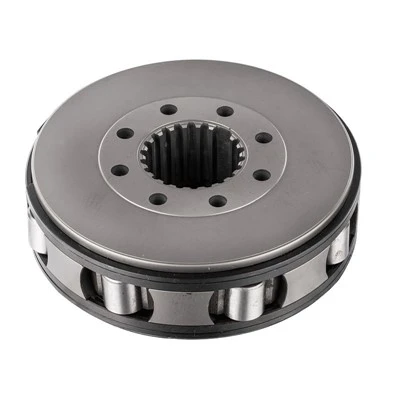
If you’ve tried these steps and the problem’s still there, or you’re not sure what to do next, don’t stress. As a hydraulic parts supplier, I’m here to help. We stock all common replacement parts, from seals and filters to pumps and valves, and we can walk you through step-by-step troubleshooting over the phone to get your system back up and running. Whether you need a new part, a replacement kit, or just advice, reach out to us to connect for a purchasing consultation—we’re happy to help you avoid bigger headaches down the line.
Hydraulic Motor References
Hydraulic Maintenance Handbook, National Fluid Power Association, 2021
Mobile Hydraulics Troubleshooting Guide, Parker Hannifin Corporation, 2020
Fluid Power Seals Selection & Installation Guide, Eaton Corporation, 2019
Ningbo Oushijie Hydraulic Transmission Co., Ltd.
Ningbo Oushijie Hydraulic Transmission Co., Ltd. is one of the most professional hydraulic parts manufacturers and suppliers in China, also supports customized service. With abundant experience, we warmly welcome you to wholesale durable hydraulic parts at competitive price from our factory.
Address: Changshi Sanxing Industrial Zone, Jiulong Lake Town, Zhenhai District, Ningbo,Zhejiang, China
E-mail: yong@nbosj.com
WebSite: https://www.nbosj.com/
