Hey there, fellow builders, plumbers, and anyone stuck in the chaos of picking the right pipes for their next project. I’m Jake, been running this PP-R pipes and fittings supplier for the last 12 years, and let me tell you—one question I get more than any other is “how thick does my PP-R pipe actually need to be?” It’s not just a random number, I’ve seen way too many guys go cheap on thin pipes, end up with leaks at 3 AM, and then have to deal with way more hassle than if they’d just gotten the right thickness in the first place. No fluff here, just the real stuff I’ve picked up installing (and fixing) thousands of projects over the years. PP-R Pipes and Fittings
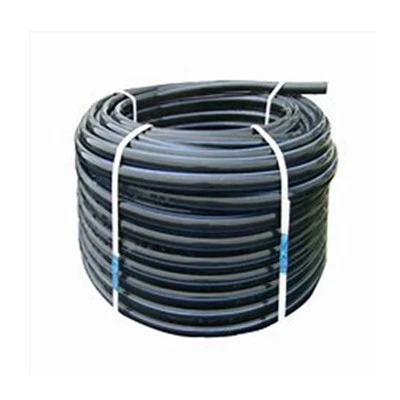
First off, let’s keep it simple—PP-R stands for Polypropylene Random Copolymer, right? The thickness of the pipe isn’t just about how tough it looks. It’s tied to something called SDR, which stands for Standard Dimension Ratio. If you’ve never heard of SDR, don’t panic, I’ll break it down real quick. SDR is just the outer diameter of the pipe divided by its wall thickness. So a higher SDR means a thinner wall, lower SDR means a thicker wall. That’s the basics, and it’s the backbone of picking the right pipe. But here’s the thing—you can’t just grab an SDR off the shelf and call it good. It depends entirely on what you’re using the pipe for, the pressure of the water running through it, and even the temperature of that water.
Let’s start with the most common use case: residential hot and cold water supply. Most homes in the US are on water pressure between 40 and 80 psi, right? If you’re in a newer area with a well, it might be around 50-60 psi, older cities can jump up to 80 psi. For cold water, which is usually under 25°C (77°F), you can get away with SDR 6 or SDR 7.4 for most homes. But wait—hot water’s a different story. Hot water sits in pipes at around 60°C (140°F) for showers, taps, so maybe 70°C (158°F) for a water heater. Heat makes plastic weaker, so thinner walls can’t handle that hot pressure over time. For hot water, I always recommend SDR 6 or even SDR 5 for homes with higher water pressure. I see guys cutting corners here all the time—grabbing SDR 7.4 for hot water because it’s cheaper, and within a year or two, they’re getting pinhole leaks right where the hot water runs through. PP-R’s durable, but it’s not invincible to repeated pressure and heat cycles.
Then there’s commercial projects. If you’re working on an apartment building, office complex, or a restaurant, the rules change. Commercial buildings usually have higher pressure—some go up to 100 psi, and they run water 24/7, so the pipes are under constant stress. For commercial hot and cold water supply, I stick to SDR 6 minimum, often SDR 5 if the project is in a colder climate where pipes might see more pressure fluctuations when the weather drops. And don’t forget fire lines? Wait, a lot of people ask about that too. PP-R’s not the first thing you think of for fire, but some commercial setups use it for small fire suppression lines. For those, you need even thicker walls—usually SDR 5 or lower, because fire lines have to handle sudden pressure spikes if a sprinkler goes off. I had a client a couple years ago use SDR 7.4 for a small retail store’s fire line, and when a test sprinkler went off, the pipe bulged like a soda can and split. Not a good look for a grand opening, trust me.
Now, let’s talk about underground pipes. If you’re running pipes under the ground for a main water line to a house or a yard irrigation system, thickness matters for more than just pressure. Underground pipes get crushed by soil, right? If you run a thin SDR 9 or 10 pipe under 3 feet of soil, that’s going to get squished when someone drives a truck over it or when the soil settles. For underground water lines, I recommend SDR 7.4 minimum, even SDR 6 for lines that go deeper or in areas with heavy traffic above. Irrigation lines can be a little thinner—maybe SDR 9 for small lawns, but if you’re running a line to a big garden or a commercial landscape, go thicker. I’ve seen irrigation pipes split mid-summer because they were too thin to handle the constant water flow and the weight of the soil on them.
Wait, but what about outdoor use? Like pipes for a patio heater or a pool line? Outdoor pipes are exposed to UV rays too, which break down plastic over time. Thin walls get brittle faster when they’re in the sun. For outdoor PP-R pipes, no matter what the use, I always go at least SDR 7.4, if not thicker. And make sure they’re rated for UV resistance—cheap thin pipes might look fine for a season, but by year three, they’ll crack just from sitting in the sun all summer.
Let me also give you a quick reality check on what “thicker” actually means for cost. A thicker PP-R pipe is a little more expensive upfront, right? But here’s the thing—how much does it cost to fix a leak in a wall? Or to re-pipe a entire home because thin pipes failed after five years? Way more than the extra couple bucks you’d spend on the right thickness. I’ve had customers come back to me saying they saved $50 on pipes for their new house, then spent $3,000 on repairs two years later. That’s not a win, that’s a headache. Thicker pipes last longer, they handle pressure and temperature better, and you don’t have to deal with the hassle of leaks at 2 AM when you’re trying to sleep or finish a project.
Another thing to consider—standards. PP-R pipes aren’t just made up on some factory floor. They have to meet certain standards to be safe. The main one in most of North America is ISO 15874, and in Europe it’s DIN 8077/8078. When you’re picking thickness, make sure the pipe is labeled with its SDR rating and meets one of those standards. No-name pipes off Amazon or at a cheap hardware store might not actually be to spec. I’ve tested thin pipes that were labeled SDR 7.4 but only had wall thickness equal to SDR 9, which means they’re way weaker than advertised. Always buy from a reputable supplier, and that’s where I come in—all our PP-R pipes and fittings are tested to ISO 15874, so you know you’re getting exactly what you pay for.
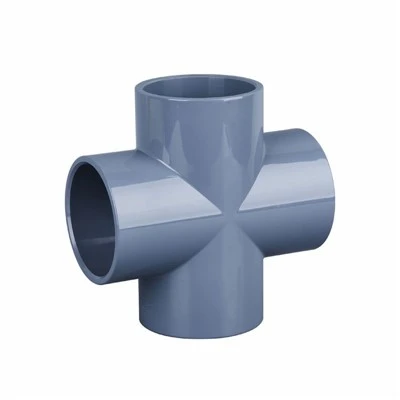
Wait, what about fittings? A lot of people forget about fittings when they’re talking about pipe thickness. Fittings should match the pipe’s SDR rating, right? If you have an SDR 6 pipe, don’t pair it with an SDR 9 fitting. That’s a weak spot in the system. I see this all the time—guys buy cheap fittings that are thinner than the pipe, and that’s where leaks start. Fittings have to be the same thickness (or thicker) than the pipe to handle the same pressure. It’s like if you have a water bottle with a thin spot, that’s where it breaks first.
Let me run through a quick cheat sheet for you, so you don’t have to guess:
- Residential cold water: SDR 7.4 or 6
- Residential hot water: SDR 6 or 5
- Commercial hot/cold: SDR 6 or 5
- Fire lines (small commercial): SDR 5 minimum
- Underground water main: SDR 7.4 or 6
- Irrigation lines: SDR 9 (small) to 7.4 (large)
- Outdoor exposed: SDR 7.4 minimum
That’s a good starting point, but always check your local building code too. Some areas have specific requirements for pipe thickness based on climate or building type. For example, in areas with really cold winters, where water can freeze in pipes and expand, you might need a thicker wall to handle that extra pressure when the water freezes. I had a job in Minneapolis a couple years ago where the building code required SDR 5 even for residential hot water, and it turned out that was a good call when the temperatures dropped to -20°F that winter—no pipes burst, whereas some neighboring houses with thinner pipes had major issues.
Wait, let’s talk about pressure testing, too. Once you install the pipes, you pressure test them to make sure there are no leaks. A thicker pipe will hold pressure better during the test, and over time. Thin pipes might pass the initial test, but after a few months, when the pressure cycles from high to low and back, they can develop cracks. It’s like a rubber band—if you stretch a thin rubber band, it’ll snap faster than a thick one. Same idea with PP-R pipes.
I get it, sometimes you’re working on a tight budget, and every dollar counts. But skimping on pipe thickness is one of the worst places to cut corners. Let’s say you’re piping a small bathroom renovation. The difference between SDR 7.4 and SDR 6 pipe is like $20 total for the whole bathroom. For $20, you get a pipe that’s way more reliable, less likely to leak, and will last decades instead of a few years. That’s a no-brainer, right?
Another common mistake people make is mixing PP-R types. Not all PP-R pipes are the same. There’s PP-R type 2, which is more durable for higher temperatures and pressure, compared to basic PP-R type 1. When you pick a thicker pipe, make sure it’s the right type for your use. I always recommend PP-R type 2 for hot water and commercial use, because it’s engineered to handle those conditions without failing. If you get thin PP-R type 1, that’s even more of a risk for leaks.
So, to wrap this up—choosing the right PP-R pipe thickness isn’t about picking the thickest one you can find, or the cheapest. It’s about matching the SDR rating and wall thickness to your specific project’s needs: what’s the water pressure? What temperature will the water be? Is it underground? Commercial or residential? Outdoor or indoor? Always go with a reputable supplier, make sure the pipes meet industry standards, and don’t forget that fittings have to match the pipe thickness.
If you’re still not sure what thickness you need for your project, don’t guess. Send us the details: what kind of project you’re doing, the water pressure, temperature, and where the pipes will be installed, and our team will hook you up with exactly what you need. No upselling, no pushing the most expensive option, just straight advice based on 12 years in this business. We’re here to help you get the job done right, no leaks, no hassle, no extra costs down the line. If you have questions, feel free to reach out anytime.
References
PP-R Pipes and Fittings ISO 15874: Plastics piping systems for hot and cold water installations – Polypropylene (PP)
DIN 8077/8078: Polypropylene pipes and fittings for pressure purposes
Plumbing-Heating-Cooling Contractors Association (PHCC): Residential Piping Installation Best Practices
ASTM F2389: Standard Specification for Polypropylene (PP) Pressure Pipe Systems for Cold and Hot Water Distribution
Shanxi Kaisheng Plastic Co., Ltd.
Shanxi Kaisheng Plastic Co., Ltd. is one of the most professional PP-R pipes and fittings manufacturers and suppliers in China, featured by quality products and good price. Welcome to buy durable PP-R pipes and fittings made in China here and get quotation from our factory. We also accept customized orders.
Address: No.72, Area S, Gate 1, Haohai Wumart, Fendong Street, Xiaodian District, Taiyuan City, Shanxi Province
E-mail: sxkssj8@163.com
WebSite: https://www.sxksgys.com/
