If you’ve ever walked along a warehouse aisle and watched a counterbalance stacker glide between pallets, you’ve seen the unsung hero of material handling. At our company, we don’t just sell counterbalance stackers—we build them and stand by every unit that leaves our facility. That means every day, our service team fields calls from operators who skipped a simple pre-operation check, leading to avoidable downtime, minor (or major) damage, and even safety scares. A pre-operation check isn’t just a box to tick; it’s the first step to keeping your stacker running reliably for years. Let’s walk through exactly how to perform it, step by step, from the moment you spot the stacker to the second you roll it into your next job. Counterbalance Stacker
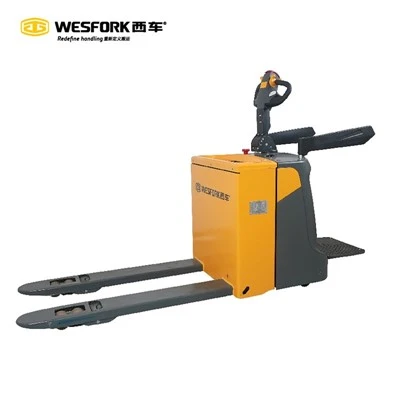
First, start with a visual walkaround—no keys in the machine, no engine running, just you and the unit. This is the fastest way to catch obvious issues that could turn into big problems if ignored. Stand at the base of the stacker and circle it slowly, making sure you don’t miss any spot. Let’s break this down by section. Begin with the counterweight, that heavy, blocky mass at the back of the machine that’s critical for balancing the load at the front. If it’s cracked, loose, or has any chipped metal, that’s a red flag. A counterbalance stacker relies on that weight to prevent tipping when you lift a 3,000-pound pallet at full height; even a small crack can weaken it over time, especially if you’re working on uneven surfaces. Next, check the tires. Most counterbalance stackers have solid rubber tires (for indoor use) or pneumatic tires (for outdoor yard work). Look for cuts, bulges, or excessive wear on the tread. A flat or worn tire doesn’t just make the machine bumpy—it can cause it to drift, which might lead to a collision with a rack or a worker. Don’t forget the wheel bearings: if you spin the tire and it grinds or wobbles, that’s a sign of worn bearings that need replacement before you move the unit.
While you’re on the ground, inspect the mast and forks—this is where the stacker does its core job. Start with the forks themselves: check for bends, dents, or cracks along the blades. A bent fork might seem minor, but it throws off the load’s center of gravity, making it far more likely to slip off the forks mid-lift. If the fork tips are chipped, that can also catch on pallet edges, damaging both the pallet and the forks. Run your hand along the mast rails (the vertical metal bars that the forks slide on) to feel for rust, debris, or corrosion. Even a small piece of dirt stuck between the rails can cause the forks to bind, so a quick wipe with a rag is all it takes to keep movement smooth. Also, check the chains that lift the forks: look for frayed links, loose connections, or rust. These chains are under constant tension, so a single broken link can send a load crashing, which is not only dangerous but also costly to repair.
Once you’ve finished the outside visual check, it’s time to move to the operator’s compartment. Before you turn the key, check the seat and controls. The seat should be secure—wobbly seats make it hard to maneuver the stacker accurately, especially when you’re lifting heavy loads. If the seatbelt is frayed or doesn’t latch properly, don’t ignore it: stackers can tip if you hit a rough spot, and a faulty seatbelt is a major safety hazard. Next, look at the dashboard. For electric stackers, check the battery indicator: most modern units have a digital display that shows remaining charge. Never operate a stacker with less than 20% charge, especially if you’re working a full shift—running out of battery mid-lift not only stops work but can also strain the battery’s lifespan. For gas or diesel-powered models, check the fuel level and make sure there are no warning lights (like an oil pressure light or a check engine light) illuminated. Those lights aren’t just random; they signal a problem that needs immediate attention.
Now, turn the key but don’t start driving yet. Test the hydraulic system, which is what powers the forks to lift and lower. Start by gently pulling the lift lever to raise the forks a few inches off the ground, then lower them back down. Listen for any strange noises—grinding, hissing, or clanking could mean a leak in the hydraulic lines, low fluid, or a worn pump. Hydraulic leaks are easy to miss if you don’t listen closely; a small leak might seem trivial, but it can lead to insufficient pressure, so forks won’t lift as high as they need to. Also, test the tilt function: most counterbalance stackers let you tilt the mast forward or back to adjust the load’s stability. Tilt it fully forward, then fully back, and check that the movement is smooth without any jerks or delays. If the tilt is slow, that’s another sign of low hydraulic fluid or a failing component.
While you’re testing the controls, don’t forget the steering. Counterbalance stackers have tight turning radii, so steering needs to be precise. Test the steering wheel (or tiller, depending on the model) to make sure it responds evenly—no sticking, no loose play. If the steering feels hard to turn, that could be low power steering fluid (if it’s a powered model) or a worn steering gear. A machine that’s hard to steer is more likely to collide with racks, walls, or other workers in a busy warehouse. Also, test the brakes—this is non-negotiable. Use both the service brake (the one you use to stop the machine while moving) and the parking brake (the one to engage when you’re parked). The parking brake should hold the machine firmly on a flat surface, and the service brake should stop the stacker smoothly without any pulling to one side. If the brake feels spongy or doesn’t hold, don’t take the machine out—brakes are your last line of defense against accidents.
Once you’ve tested all the operational controls, do a short “test drive” in a clear, open area (away from pallets, workers, and racks) to get a feel for the machine. Drive it forward and back, turn sharply, and make sure it moves smoothly without any unusual noises (like squealing from brakes or grinding from the wheels). Check that the forks lift and lower at a consistent speed—if one fork moves faster than the other, that’s a sign of a hydraulic imbalance, which can cause the load to tip. Also, while you’re driving, pay attention to the overall stability: if the machine feels like it’s swaying excessively, that could be a sign of a worn counterweight or uneven tire pressure. Even a small sway can become dangerous when you’re lifting a heavy load at full height.
Now, let’s talk about pre-operation checks for specific types of counterbalance stackers, because there’s no one-size-fits-all. Electric counterbalance stackers are the most common in warehouses, so pay extra attention to the battery. Check the battery terminals: make sure they’re clean and tight, because loose connections can cause power loss or even short circuits. If you’re using a lead-acid battery, check the water level (if it’s a non-sealed model) — never add tap water; use distilled water to the line marked on the battery. For lithium-ion batteries, which are becoming more popular, skip the water check, but still inspect the charging port for damage or debris. For gas or propane-powered counterbalance stackers, check the fuel lines for leaks, and make sure the exhaust system is intact—carbon monoxide is a real hazard in enclosed spaces, so a damaged exhaust can expose workers to dangerous fumes.
One thing we always emphasize to our customers is documenting your pre-operation check. It’s not just a formality; it’s a way to catch patterns of issues. If you check the stacker every morning and notice the same tire is losing air every two days, that’s a sign of a slow leak that you can fix before it becomes a flat tire on a busy day. Our service team recommends creating a simple checklist—you can even download one from our website (no complicated forms, just a list of the steps we walked through) and have every operator sign it each day. This not only keeps your team safe but also helps us provide better support if your machine ever needs repairs: if we know you do a daily pre-check, we can troubleshoot issues faster, because we can rule out user error or missed small issues.
I’ve seen first-hand what happens when operators skip a pre-operation check. A few years back, one of our customers had an operator who didn’t notice a cracked fork on their stacker. When they lifted a 2,500-pound pallet of electronics, the fork snapped, the pallet crashed, and the entire load was destroyed—costing them thousands in product, not to mention the downtime while the machine was repaired. Another time, a customer didn’t check the parking brake, and their stacker rolled down a small ramp, hitting a forklift and causing thousands in damage. These aren’t just “oops” moments; they’re preventable. A 10-minute pre-operation check can save you hours of downtime, thousands in repairs, and most importantly, keep your team safe.
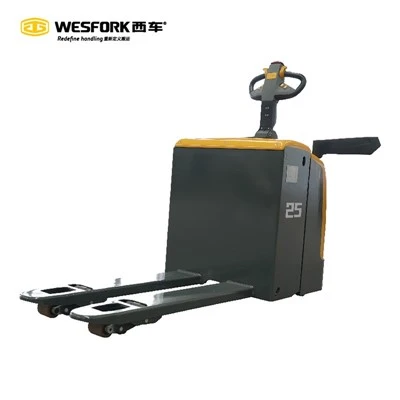
At our company, we design every counterbalance stacker with safety and reliability at the forefront, but even the best machine can have issues if it’s not checked before use. That’s why we train our service team to not only sell machines but also help customers build pre-operation habits that last. If you’re in the market for a new counterbalance stacker, or if you have questions about how to refine your current pre-check process, we’re here to help. We don’t just want to sell you a machine; we want to be your partner in keeping your warehouse running smoothly, safely, and efficiently. Whether you need a custom-sized stacker for tight aisles, a gas-powered model for outdoor yard use, or a lithium-ion electric model for zero-emission indoor work, we have the expertise to guide you to the right fit.
Reach Truck Don’t take chances with your material handling equipment. A quick pre-operation check is the easiest way to avoid headaches and keep your team protected. If you’re ready to learn more about our counterbalance stackers or want to talk through your pre-operation check process, we’re here to help. Reach out to our team today to discuss your needs, and let’s make sure your next move with a counterbalance stacker is a safe, smooth one.
References
- Material Handling Industry Association. (2022). Counterbalance Stacker Safety and Maintenance Guidelines. MHI Global.
- OSHA. (2021). Powered Industrial Truck Operator Safety Standards. Occupational Safety and Health Administration.
- Toyota Material Handling. (2023). Pre-Operation Inspection Protocols for Warehouse Equipment. Toyota Material Handling North America.
- Forklift Safety Council. (2022). Daily Inspection Checklist for Counterbalance Stackers. National Safety Council.
- International Material Handling Equipment Distributors Association. (2023). Best Practices for Counterbalance Stacker Maintenance and Pre-Use Checks. IMHEDA.
WESFORK Industries (Zhejiang) Co., Ltd.
As one of the most professional counterbalance stacker manufacturers and suppliers in China, we also support customized service. Please feel free to wholesale high quality counterbalance stacker for sale here from our factory. For price consultation, contact us.
Address: 277#Yinhu Road,Yinhu Street,Fuyang District,Hangzhou City,Zhejiang Privince,China
E-mail: sulin@wesfork.com
WebSite: https://www.wesforkintl.com/
