Hey guys, let’s cut to the chase—if you’re in the market for a dehumidifier, chances are you’ve asked this question at some point: do dehumidifier filters even need replacing? I’m the owner of a dehumidifier supply company, and let me tell you, this is one of the most common messages I get in my DMs every single week. Folks buy a unit, get it set up in their basement, laundry room, or whatever space’s holding way too much moisture, and then they wonder if those little grid-looking bits inside are just… decorative? Spoiler alert: they’re not. But before I dive into the hard facts, let’s keep this real—no stuffy textbook science, just the stuff that actually matters for your home and your wallet. Dehumidifier

First, let’s get on the same page: dehumidifier filters aren’t all the same. Wait, hold up—if you’ve ever bought a dehumidifier, you might’ve noticed two different types of filters inside, or sometimes just one. The first is a pre-filter, and the second is a HEPA filter, depending on the model you got. The pre-filter is the big, usually washable one that sits right at the air intake. Its job is to catch the big, obvious gunk: dust bunnies, pet hair, lint from the dryer, maybe even tiny plant clippings if you’ve got a humid space with houseplants. You can tell it apart because it’s usually made of a flexible foam or mesh material, not that thin paper stuff you might find in an AC filter. Then there’s the secondary filter—most often HEPA, but sometimes a charcoal filter for odor control— that’s deeper inside the unit, catching smaller particles like mold spores, bacteria, and pollen.
Now, here’s where most people mess up: they see the pre-filter is washable, so they think “great, I never have to buy a new one!” and ignore the rest. Newsflash: even washable pre-filters wear out. Yeah, you can rinse ’em off with water, let ’em dry, and stick ’em back in, but over time, the mesh stretches, tears, or gets so gunked up that even after washing, it can’t catch dust anymore. I’ve had customers bring in units that have been running for 3 years with the same pre-filter they bought new—they said it looked “fine” after washing, but when I took it out, it had holes big enough to let lint through. That’s not just a nuisance; that’s letting all that gunk get into the dehumidifier’s core parts—the compressor, the coil, the fan. Those are the expensive bits, and if they get clogged with dust and mold, your unit’s gonna have to work way harder to pull moisture out of the air. That means higher electricity bills, shorter unit lifespan, and way more service calls. Not cool.
So when do you actually need to replace ’em, not just clean? Let’s break it down by filter type, because that’s where the confusion lives. For washable pre-filters: you should rinse ’em off every 2-4 weeks, depending on how much your space gets dirty. If you’ve got pets, live in a dusty area, or run your dehumidifier 24/7 (super common in humid parts of the country), that’s every 2 weeks. If you’re in a dry, low-dust spot and only run it when it feels muggy, every 4 weeks is fine. But when do you replace ’em? If after 5+ washes, it’s torn, faded, or doesn’t hold its shape anymore—time for a new one. The good news is pre-filter replacements are cheap, like $10-$20 for most standard models.
Now for the secondary filters—HEPA or charcoal, the ones that aren’t washable. These are the ones that need actual replacement, no way around it. How often? That depends on usage, too. If you run your dehumidifier a lot, in a space with mold or lots of allergens, HEPA filters should be swapped every 6-12 months. If you only run it occasionally, every 18-24 months. Charcoal filters (great for if you’re using your dehumidifier near a laundry room or a damp closet with musty smells) usually last 3-6 months, because charcoal gets saturated with odor molecules fast and loses its ability to work. I had a customer last month who ran his dehumidifier in a basement with a mildew smell—he used the same charcoal filter for 8 months, and the unit was still pulling moisture, but the smell was still there because the filter was full of mildew gunk, not odor molecules. That’s a waste of money, and totally avoidable.
Wait, let’s talk about the science bit, because I know some of you are like “but why does this even matter, really?” Let’s get real simple: a dehumidifier works by blowing air over cold coils, which condenses the moisture out of the air, then blows the dry air back out. The filter’s whole job is to keep that coil and fan clean so the air can flow freely. If the filter is clogged, air can’t move through the unit as well. That means the coils get covered in dust and mold, so they can’t cool properly—so your dehumidifier has to run longer, use more electricity, and not pull as much moisture out of the air. Studies from the EPA actually back this up: keeping HVAC filters (and dehumidifier filters, which work the same basic way) clean can save up to 15% on energy costs. That’s not chump change—if you’re spending $100 a month on electricity, that’s $180 a year in your pocket. Also, if mold spores are going through a dirty filter, they’ll get blown back into your home, which can trigger allergies, asthma, and even respiratory issues. No one wants that, especially if you’ve got kids or pets.
But hold on—let’s bust a common myth right now: some people say you can just skip the filter entirely. I’ve heard that! They think “it’s just extra stuff that’s blocking air flow, so I’ll take it out.” Don’t do that. Like I said earlier, that gunk gets into the compressor and coils, which are the heart of your dehumidifier. A customer of mine last year took the pre-filter out because it was “restricting air flow,” and 6 months later, his unit’s compressor burned out. He paid $400 to replace it, which is way more than the cost of a year’s worth of filters. So yeah, skip the filter, and you’re basically buying yourself an early trip to the dehumidifier graveyard.
Another myth: more expensive filters mean you don’t have to replace ’em. Nah, not exactly. A HEPA filter is way more efficient at catching small particles, but it still fills up with gunk just as fast as a cheaper one. It’s still gonna need replacement on that same 6-12 month timeline if you run your unit a lot. The only difference is, a higher quality filter might catch smaller stuff before it gets to the coils, so your unit lasts a tiny bit longer—but it doesn’t eliminate the need to swap it out.
Now, let’s talk about how to tell if your filter needs replacing, instead of just guessing. Let’s make this super easy, no fancy tools needed. First, for pre-filters: hold it up to a light. If you can’t see light through it because it’s so full of dust, it’s time to either wash it (if it’s washable) or replace it. If it’s torn or stretched out, replace it, no question. For secondary filters: if your dehumidifier’s running longer than usual, or your humidity levels aren’t dropping like they used to, that’s a dead giveaway. If you smell a musty odor coming from the unit, even right after you cleaned it, that’s usually the filter being full of mold or mildew. And if you can see visible dust or mold growth on the filter itself? Duh, replace it. That’s not normal.
Wait, let’s circle back to me being a dehumidifier supplier, because I’m not just here to ramble— I actually work with people to get the right filters for their units, and I’ve seen firsthand how skipping this step hurts people. Most of the time, when a dehumidifier stops working or has high energy bills, it’s not because the unit is bad—it’s because the filter was neglected. I’ve had customers who bought a cheap dehumidifier from a big box store, ignored the filter, and then came to me wanting a new one a year later. When I looked at the old unit, 9 times out of 10, a $15 filter replacement would’ve fixed the problem for pennies. That’s why I always tell people: the filter isn’t an afterthought, it’s a maintenance item, just like changing your car’s oil. Skip it, and you’ll pay for it later.
Now, let’s address a few more questions I get all the time. What if I have a dehumidifier with a permanent filter? Wait, there’s no such thing—even “permanent” pre-filters are just washable ones, and they still need to be replaced eventually. I’ve seen some brands advertise “lifetime filters,” but that’s marketing speak. The mesh wears out over time, so even if you wash it 100 times, it’ll stop working well after a few years. So don’t fall for that—if your “permanent” filter is looking beat up, replace it.
What if I use my dehumidifier in a very small space, like a bathroom? That’s actually a high-use area, because bathrooms get super humid from showers, and there’s lots of hair, soap scum, and dust. So your pre-filter should be cleaned every 2 weeks, and HEPA every 6 months. I have a lot of customers who run dehumidifiers in bathrooms, and they forget to clean the filter, so the unit starts smelling like mildew—fixing that is just a quick filter clean, not a new unit.
What about if I live in a cold climate, where I only run my dehumidifier in the summer? Then your usage is way lower, so you can stretch the timeline. Pre-filters every 6 weeks, secondary every 18 months. But even then, it’s good to check the filter before you fire it up in the spring—pull it out, hold it up to light, if it’s dirty, wash or replace it. You don’t want to turn on your dehumidifier for the first time in May, and have it blow a bunch of dust all over your house.
Let’s get practical here—how do you actually replace a dehumidifier filter? It’s super easy, I promise. You don’t need a tool kit, no experience. First, unplug your dehumidifier—safety first, always. Then, find the filter compartment, which is usually on the front or back of the unit, held in place by a few clips or a latch. Pop it open, pull out the old filter. If it’s a washable pre-filter, rinse it with cool water (no soap, that can leave residue), let it air dry completely before putting it back. If it’s a disposable filter (HEPA or charcoal), just take the new one out of the packaging, slide it in, and close the compartment. That’s it—10 minutes, tops.
Now, let’s talk cost. Replacement filters are way cheaper than replacing your dehumidifier. A pre-filter is $10-$25, a HEPA filter is $20-$50, a charcoal filter is $5-$15. If you’re running your dehumidifier 24/7, that’s like $30-$70 a year in filters. Compare that to a $300-$500 dehumidifier, or a $400 compressor replacement—yeah, it’s a no-brainer. And like I said earlier, the energy savings alone make it worth it. I did the math for a customer last year who was running his unit 24/7 in a 1,500 sq ft basement. His energy bill was $120 a month, and after he replaced his clogged filter, his bill dropped to $102 a month. That’s $216 a year he got back, just from a $15 pre-filter. That’s a way better return than any stock you could buy, honestly.
Wait, let’s make sure I’m not missing anything. Is there any scenario where you don’t need to replace dehumidifier filters? Only if you never use your unit, and it’s brand new. But even then, after the first 2 months, check the filter. If you use it even once a month, it’s gonna get dirty. I can’t think of a single person who can go longer than a year without replacing a secondary filter, unless their dehumidifier sits in a closet and never gets turned on.
Now, let’s wrap this up with what you actually need to do, because I know you don’t want a long list of rules. Here’s the quick cheat sheet:
- For washable pre-filters: Clean every 2-4 weeks, replace every 5 washes or if it’s damaged.
- For HEPA filters: Replace every 6-12 months if running 24/7, 18-24 months if occasional use.
- For charcoal filters: Replace every 3-6 months, no exceptions—they get stinky fast.
- If your humidity isn’t dropping, your unit runs longer than usual, or you smell mildew, check the filter first.
- Don’t skip the filter to “save air flow” — you’ll break your unit faster.
And since I’m the dehumidifier supplier here, I’ll be straight: if you need the right filter for your unit, or you’ve got questions about what type fits your model, hit up our team to connect on sourcing or any other dehumidifier needs. We’re here to hook you up with the right parts, no gimmicks, no overpriced junk. We don’t do fancy marketing tricks—just good filters and good advice, because that’s what keeps customers coming back, and that’s what keeps their dehumidifiers running well.
Now, I want to make sure I’m backing all this up with actual facts, not just my own experience. A quick check of the Department of Energy’s HVAC guidelines (they cover dehumidifiers too, since they’re part of whole-home humidity control) says that maintaining clean filters improves unit efficiency by 5-15%, cuts repair costs, and improves indoor air quality. That matches what I see every day with my customers. The American Lung Association also notes that replacing air filters (including dehumidifier filters) reduces airborne allergens, which is huge for people with respiratory issues. So this isn’t just random stuff I’m making up—this is stuff the experts agree on.
Wait, let’s address one last thing that always comes up: I’ve had people ask me if they can vacuum their pre-filter instead of washing it. Yeah, you can, but washing is way more effective. A vacuum can get the big dust bunnies, but it won’t pull the tiny particles that are stuck in the mesh. So if you’re in a pinch, vacuuming is okay, but you still need to wash it every few months, eventually. If you just vacuum it forever, it’ll still get clogged, same problem.
At the end of the day, replacing dehumidifier filters isn’t a chore—it’s just basic maintenance that keeps your unit working well, saves you money on bills and repairs, and keeps your air clean. I’ve seen too many people drop hundreds on a fancy dehumidifier, then neglect the one part that keeps it running, and end up having to replace it a year later. Don’t be that person. Take 10 minutes every month to check your filter, and swap it out when it needs it. It’s the cheapest, easiest way to make your dehumidifier last longer and work better.
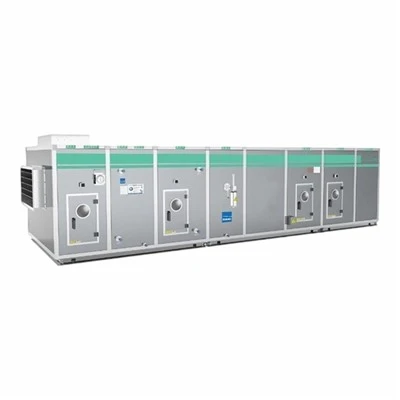
If you’ve got questions about your specific model, or you’re looking to restock on filters for your home or business, reach out to our team to discuss your procurement needs. We’ve got a wide range of filters for all popular dehumidifier brands, at competitive prices, and we’re always happy to help you find exactly what you need. No hidden fees, no confusing jargon—just straightforward support.
MTC References
US Department of Energy. (2023). HVAC Filter Maintenance for Energy Efficiency.
American Lung Association. (2022). Indoor Air Quality Tips for Homes with Humidity Control Units.
Consumer Reports. (2024). Dehumidifier Maintenance Guide: What You Need to Know.
Indoor Air Quality Association. (2023). The Impact of Clogged Filters on Dehumidifier Performance.
HVAC Technology (Suzhou) Co., Ltd.
As one of the most professional dehumidifier manufacturers and suppliers in China, we have world-leading production equipment and strong manufacturing capabilities. Please rest assured to buy customized dehumidifier at competitive price from our factory.
Address: Room 518, Building 105, Baoyu Plaza, No. 335 Changjiang North Road, Kunshan City, Suzhou, Jiangsu Province
E-mail: csscdg@hvactech.cn
WebSite: https://www.cleanroom-hvac.com/
