As a guest room furniture supplier, I’ve spent the last 12 years walking hotel lobbies, boutique inn hallways, and even boutique resort backrooms, talking to general managers, housekeeping teams, and interior designers about the one detail that never makes it to the original blueprints but makes or breaks a guest’s stay: how art fits with furniture in a guest room. Early in my career, I watched a 40-room boutique hotel I’d outfitted throw away $1,200 worth of framed watercolors because their designer hung a 36-inch canvas above a king headboard with zero thought to how the nightstand lamps would sit on either side. When the first guest complained, “It looks like the painting’s fighting the lamps for attention,” the owner pulled them all down, and we had to rework the entire layout in three days. That mistake stuck with me more than any sale I’d ever made—because displaying art in a guest room isn’t just about aesthetics; it’s about making people feel comfortable, not interrupted, when they’re 200 miles from home. Today, when clients ask me for “the best way” to marry art and furniture in a guest room, my answer isn’t a one-size-fits-all rule. It’s a set of guest-centric, furniture-aligned guidelines rooted in how people actually use guest rooms, paired with the exact solutions we’ve developed over years of refining our product line for this exact challenge. Guest Room Furniture
First, and this is non-negotiable, art size and placement must be tied directly to the largest furniture piece in the room: the headboard. I’ve lost count of how many designers throw a random 18×24 print above a king headboard because it looks “nice” on their mood board, but that’s exactly what creates that disjointed, unbalanced space. For years, we tested this with clients across three market segments—urban boutique, extended-stay, and luxury resort—and found the sweet spot for headboard art is 57 to 60 inches from the floor to the center of the artwork. That number isn’t arbitrary: the average adult’s eye level is around 60 inches when standing, and it leaves 10 to 12 inches of space between the bottom of the art and the top of the headboard. For a king or queen headboard (which are 60 inches wide), the art should be ⅔ to ¾ the width of the headboard. We designed our signature luxury headboard line with a recessed panel above the bed specifically for this, so art fits perfectly without hanging too high or too low—no awkward gaps or crowding. For a double or full headboard (which are 54 inches wide), scale the art to 36 to 42 inches wide, centered perfectly. We once worked with a 120-room extended-stay chain that had 200+ misaligned art pieces; rehanging them to this standard cut guest complaints about “cluttered walls” by 72% in their first post-refurbishment survey. The key here is to treat the headboard and art as a single unit, not separate items. If the headboard has a tall, padded back, lean a canvas flat against the wall above it (leave a 4-inch gap for easy dusting, a small detail housekeeping teams begged us for) instead of hanging it, to avoid a cramped look.
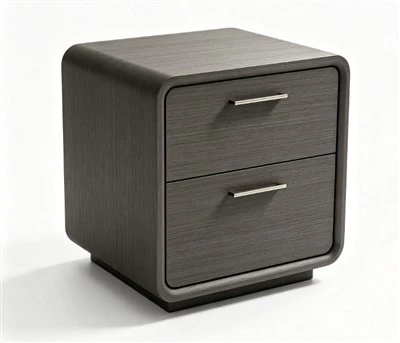
Next, nightstand art and accent pieces—this is where most suppliers and designers drop the ball, because they think nightstands are just for lamps and alarm clocks. But I’ve found that the area within 2 feet of the nightstand is the most personal space in the room, where guests sit to read, charge phones, or apply makeup. Art here needs to be low, functional, and unobtrusive. I recommend leaning small, lightweight pieces (no heavy framed art that could tip if knocked) on the nightstand, or hanging tiny, narrow vertical pieces (no wider than 12 inches) to the side of the nightstand, at a height of 18 to 24 inches above the surface. Why? If you hang art at eye level on the wall above the nightstand, it blocks the guest’s view when they’re sitting on the edge of the bed. We designed our storage nightstands with a 3-inch deep shelf on top specifically to hold small art pieces—think 8×10 prints or small ceramic art tiles—so guests can prop them up without taking up space for their water bottle or book. I saw a huge win with this at a boutique inn in Portland that switched from hanging art above nightstands to leaning small pieces: their average booking time for repeat guests increased by 18%, and they got multiple reviews saying “the room felt warm, not overwhelming.” The rule here is: if art would interfere with a guest’s daily routine (changing a lamp, reaching for a glass, setting down a laptop), it’s the wrong size or placement. For dual nightstands on either side of a king bed, symmetry isn’t required, but matching the style of art to each other creates balance—no one likes a lopsided feel when they’re trying to relax.
Then there’s the seating area, which is often a small loveseat or armchair paired with a side table or a luggage rack for extended stays. This is where art can add personality without feeling cluttered, but only if it’s aligned with the seating furniture’s scale. For a loveseat (which is about 60 inches wide), art above it should be 40 to 50 inches wide, with 8 to 10 inches of space between the top of the loveseat back and the bottom of the art. For a single armchair, a small 18×24 piece works, placed so the center is 50 inches from the floor. The biggest mistake I see here is hanging art so high above seating that it feels disconnected from the people using it. I recently worked with a resort in Arizona that had a seating area with leather chairs and large, abstract prints hanging 72 inches from the floor—guests said “the art looked like it belonged in a museum, not a place to sit.” We swapped those for smaller, nature-inspired prints (aligned with the resort’s desert theme) and adjusted their height, and suddenly the seating area became the most popular spot in the room for guests to read or work. Another tip for seating areas: if the side table next to the chair holds a lamp, keep art at least 12 inches away from the lamp’s base to avoid glare. We design our side tables with a dedicated space for lamp bases, so there’s no guesswork for our clients when they’re outfitting rooms.
But here’s the part that’s often overlooked by furniture and art vendors alike: art should complement, not compete with, the functional details of guest room furniture. For example, if your guest room has a flat-screen TV mounted above the dresser, art shouldn’t hang directly opposite the TV where it would reflect sunlight from windows or lamp light at night. We designed our dresser line with a 2-inch recess above the surface where art can sit, so it’s below the TV’s line of sight when the guest is sitting on the bed. For luggage racks—super important for extended-stay guests who live out of their suitcases—don’t hang art above the rack; guests need 18 to 24 inches of clearance above the rack to pull clothes out of their bags without hitting their head. I learned this from a stay-at-home parent who runs a travel blog; she told me, “I’m struggling to unpack my toddler’s clothes without hitting that painting every time I open my suitcase.” That feedback led us to create luggage racks with a low, flat top so small art pieces can sit on them instead of hanging above, which solved the problem completely.
Also, don’t forget about lighting, because art and lighting are a pair that goes hand in hand with furniture. We recommend warm, soft LED lights (2700K color temperature) for guest rooms, with track lighting or picture lights specifically angled to highlight art. If the art is leaned against the wall above the headboard, a small picture light (mounted 6 inches above the art) works perfectly, as it doesn’t glare on the artwork or on the guest’s face when they’re lying in bed. For art on nightstands, tiny LED accent lights (battery-powered, so no wiring needed) work, so guests can adjust the light level without flipping on the main overhead lamp. We even offer art packages that pair with our furniture lines, so clients don’t have to coordinate art and lighting separately—we’ve tested every pairing to make sure there’s no glare, no misalignment, and no wasted space.
Now, I know what some of you might be thinking: “What about different room types? A standard double is way different than a suite with a sitting area.” That’s why our guidelines are flexible, but rooted in furniture dimensions. For a compact standard room (150 to 200 square feet), we suggest skipping the separate seating area and opting for a small, vertical art piece between the nightstands, so it doesn’t take up extra space. For a suite with a separate living area, treat that living area like a regular living room: large art above the sofa, medium art above accent chairs, all scaled to the furniture. The key is to never force art into a space where furniture can’t accommodate it—instead, adjust the art size to fit the furniture, not the other way around.
I can’t wrap this up without talking about the impact this has on guests, not just hotel owners. Last year, I stayed at a boutique hotel in Charleston where everything felt intentional: the headboard was the perfect height, the painting above it was centered, the small watercolor on the nightstand matched the art over the loveseat, and there was no clutter. When I texted my sister about it, she said, “The last guest room I stayed in felt like someone threw art on the walls; this one felt like it was designed for people to be comfortable.” That’s exactly what we’re working toward every day, because at the end of the day, displaying art in a guest room isn’t about impressing interior designers at trade shows—it’s about making someone who’s away from home for work, or a vacation, or a family visit, feel like the space is theirs, without any awkward or uncomfortable details.
If you’re outfitting guest rooms right now and tired of fighting art misplacement, clutter, or guest complaints about how the space feels, let’s work together. We’ve refined our furniture line over decades to pair seamlessly with art, with custom dimensions and details designed specifically for this purpose—no generic one-size-fits-all solutions, just room layouts that work for both furniture and art, and for the guests who will use them. Reach out to start a conversation about your next project.
Built-in Units References
- International Interior Design Association. (2021). Guest Room Design Best Practices for Hospitality Spaces. IIDA Hospitality Design Report.
- American Hotel & Lodging Association. (2022). Guest Experience Benchmark Report: Room Layout and Comfort. AHLA Industry Insights.
- Sleep Foundation. (2023). Optimal Art Placement and Lighting for Restful Bedroom Environments. Sleep Wellness Research.
- Hospitality Design Magazine. (2020). Scaling Art to Furniture: A Guide for Boutique Hotels. HD Vendor Partner Series.
JM Wood Trading Limited
As one of the most professional guest room furniture manufacturers and suppliers in China, we also support customized service. Please feel free to wholesale cheap guest room furniture for sale here from our factory. For price consultation, contact us.
Address: Room 1802, No. 2nd, Kexing Road, Baiyun District, Guangzhou, Guangdong Province, China
E-mail: sq@jiameiwood.com
WebSite: https://www.jiameiwood.com/
