If you’ve ever walked through a historic district, museum gift shop, or cultural landmark, you’ve probably found yourself staring at a small, detailed bronze statue—maybe a mini version of a famous monument, a local historical figure, or a mythical creature from the area—wondering: Where did this tradition even start? As someone who’s been supplying high-quality souvenir bronze statues for over a decade, I’ve spent countless hours digging into the history of these small, meaningful keepsakes, and it’s a far cry from the mass-produced trinkets some people dismiss them as. Let’s break down the origin of souvenir bronze statues, how they evolved, and why they still matter for travelers today. Souvenir Bronze Statue
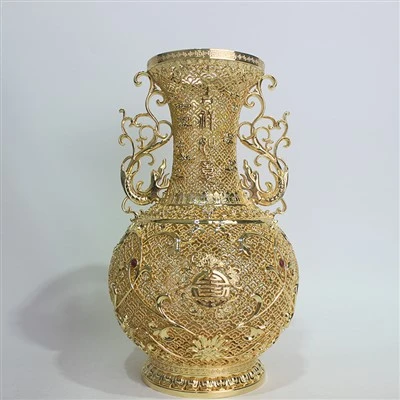
First, to understand where souvenir bronzes came from, we have to go back to the very start of bronze art itself. Bronze is an alloy of copper and tin, and its history dates back over 5,000 years to the Bronze Age, when civilizations across Mesopotamia, Egypt, and China used it to create everything from tools to large religious statues. Back then, bronze was a precious material—harder than stone, more durable than clay, and able to hold intricate details, making it perfect for art that was meant to last. Early bronze works weren’t meant to be souvenirs, of course; they were religious offerings, royal portraits, or symbols of power. For example, the ancient Greeks created bronze statues of their gods to place in temples, and the Romans carried that tradition over, creating small bronze figurines that travelers would bring home from religious sites in the Mediterranean as offerings to their own household gods. That’s the earliest link: small bronze objects as portable, meaningful mementos of a place or event.
But the souvenir tradition as we know it really took shape during the Grand Tour. If you were a wealthy young European in the 17th, 18th, or early 19th century, the Grand Tour was a mandatory rite of passage. It was a trip across Europe, usually starting in France, moving through Italy, and sometimes extending to Greece, Spain, or the Middle East. The goal wasn’t just leisure—you were supposed to study art, history, and culture, and come back refined, educated, and ready to take your place in high society. For travelers on this tour, bringing home a piece of the places they visited was non-negotiable. But full-size marble statues of Michelangelo’s David or the Colosseum were way too heavy and expensive to ship home. That’s where bronze came in. Artisans in cities like Florence and Rome started creating small, hand-cast bronze miniatures of famous landmarks and masterpieces. These were affordable enough for a young nobleman to buy, detailed enough to look like a “serious” work of art, and lightweight enough to fit in a travel trunk. For example, during my research, I found records of a 1782 Grand Tourist from England who bought a small bronze replica of the Colosseum in Rome, another of Michelangelo’s David in Florence, and a bust of Julius Caesar from the ruins in southern Italy. Those weren’t just trinkets—they were status symbols, proof that you’d completed the Grand Tour and engaged with European culture. That’s when souvenir bronze statues as a commercial, travel-focused product was born.
Of course, the Grand Tour was only for the wealthy. The rise of the middle class in the 19th century, plus the invention of steam-powered trains and ocean liners, made travel accessible to far more people. Suddenly, cities with major landmarks—like Paris, London, and New York—had thousands of tourists visiting every year, not just wealthy elites. Artisan workshops started adapting their bronze techniques to create more affordable souvenirs, while still keeping the detail that made them valuable. The 1855 Exposition Universelle in Paris is a key turning point here. The exposition drew millions of visitors from around the world, and exhibitors showcased miniature bronze replicas of everything from the Eiffel Tower (which was still new at the time) to the Statue of Liberty’s torch (years before the full statue was dedicated in New York Harbor). Tourists lined up to buy these as mementos, and the souvenir bronze industry exploded. By the late 1800s, you could buy a small bronze statue of a famous Parisian street performer in Montmartre, a mini replica of Big Ben in London, or a statuette of a Native American chief at the World’s Columbian Exposition in Chicago. These weren’t just for display in a rich man’s study—they were for anyone who wanted to hold onto a piece of their trip.
As the 20th century rolled around, two things changed the souvenir bronze industry forever: industrialization and the rise of mass tourism. On one hand, mass production techniques made bronze casting cheaper and faster, so souvenir statues were more affordable than ever. But on the other hand, that also led to some cut corners—some manufacturers started using lower-grade bronze alloys, or even metal coated in bronze to mimic the real thing, leading people to think souvenir bronzes are just cheap junk. That’s where my work comes in, and where I think a lot of modern suppliers go wrong. Real souvenir bronze statues are still rooted in that original tradition of meaningful, durable keepsakes. We use the same basic casting methods that artisans used for the Grand Tour miniatures—lost-wax casting, to be specific—even if we’ve updated it with modern tools for precision. Lost-wax casting involves creating a wax model of the statue, covering it in a heat-resistant material, melting the wax out, and pouring molten bronze into the mold. The result is a statue with all the fine details of the original, whether that’s the texture of a landmark’s stone or the expression of a historical figure, and it’s hard enough to last for generations.
But why do people still care about souvenir bronze statues, in a world where you can buy a cheap plastic magnet or a printed t-shirt for a few dollars? That’s a question I get a lot, both from tourists and from people in the industry. For one thing, a good bronze statue is tangible. When you hold a small replica of the Great Sphinx of Giza, you’re touching the same material that ancient artisans used to build that monument, even if it’s a tiny version. It’s not a digital photo that you’ll scroll past on your phone; it’s something you can put on your shelf, run your finger over, and immediately remember the day you stood in front of the real thing. I’ve had customers tell me they bought a small bronze statue of the Berlin Wall’s “East Side Gallery” segment after a trip to Germany, and years later, when their kid asks about where they went, they can pull the statue out and tell the story behind it, not just show a blurry photo. That’s the emotional value of these keepsakes.
There’s also a cultural angle. Souvenir bronze statues aren’t just generic replicas—they’re often tailored to the specific place you buy them. If you’re in Kyoto, you can get a bronze mini of the Kinkaku-ji (Golden Pavilion), with the same gold leaf finish as the real temple. If you’re in Mexico City, you can buy a small bronze statue of Frida Kahlo, featuring the same flowers in her hair that are iconic in her self-portraits. These pieces aren’t just about having a memento; they’re about representing the unique culture, history, or spirit of a place. As a supplier, I work directly with landmarks and local artisans to make sure our statues are accurate—no wrong details, no generic designs. For example, when we made a line of souvenir bronzes for the Alamo in San Antonio, we worked with the historic site’s curators to make sure the miniature replica matched the real building’s size and architectural features, so tourists got an authentic piece of the landmark they visited.
Now, I know some people will say “why buy a souvenir bronze when you can get something cheaper?” But I’d argue that the best souvenirs aren’t about price—they’re about meaning. A $5 plastic magnet might stick to your fridge for a few years, but a real bronze statue can be passed down to your grandkids, with stories attached to it. That’s why I’ve been in this business for over a decade: I get to create things that help people hold onto their travel memories, and share the history of the places that matter to them.
If you’re someone who’s looking for high-quality, authentic souvenir bronze statues for a landmark, museum gift shop, or retail brand, I’d love to chat. Whether you need custom designs, bulk orders, or a collaboration to create exclusive keepsakes for a specific location, we work with clients to meet their needs while staying true to the tradition of meaningful, durable bronze souvenirs. Don’t hesitate to reach out to discuss your project.
Bronze Statue Trophy References
- Impelluso, L. (2018). A History of Ancient Bronze Statues. Thames & Hudson.
- Barzun, J. (1958). The French in America During the Age of Revolution, 1770-1870. Little, Brown and Company.
- Watson, W. (1962). The Grand Tour: A History. Phaidon Press.
- Smith, B. (2020). Souvenirs: American Travel Culture and the Rise of the Mass Market. University of Chicago Press.
- Chen, L. (2019). Traditional Bronze Casting Methods and Modern Souvenir Production. Journal of Craft and Cultural Industry, 12(3), 45-62.
Huizhou Hexin Intelligent Manufacturing Industrial Co., Ltd.
Huizhou Hexin Intelligent Manufacturing Industrial Co., Ltd. is one of the most professional souvenir bronze statue manufacturers and suppliers in China. Please feel free to buy the newest souvenir bronze statue made in China here and get pricelist from our factory. All customized products are with high quality and competitive price.
Address: No.31, Second Industrial Zone, Nankeng Village, Xinxu Town, Huiyang District, Huizhou City, Guangdong Province, P.R.China
E-mail: zhangran@bronzehexin.com
WebSite: https://www.bronzehexin.com/
