As a dairy flavors supplier, I’ve been in the thick of the food industry for years, and one question I get asked a lot is, "How do dairy flavors compare in terms of nutrition?" It’s a great question, and I’m stoked to break it down for you. Dairy Flavors
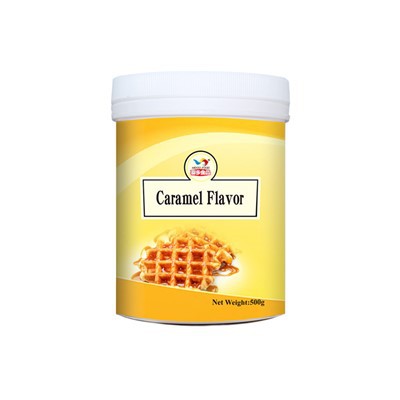
Let’s start with the basics. Dairy flavors come in all sorts of forms – milk, cheese, yogurt, ice cream, and so on. Each of these has its own unique nutritional profile, and understanding these differences can help you make better choices when it comes to your diet.
First up, milk. Milk is often touted as a nutritional powerhouse, and for good reason. It’s a great source of calcium, which is essential for strong bones and teeth. A single cup of whole milk contains about 300 milligrams of calcium, which is about 30% of the recommended daily intake for adults. Milk also contains protein, vitamin D, and potassium. Protein is important for building and repairing muscles, vitamin D helps the body absorb calcium, and potassium is crucial for maintaining healthy blood pressure.
But not all milk is created equal. Whole milk has a higher fat content – around 3.25% – which means it also has more calories. If you’re watching your weight or your fat intake, you might want to opt for skim or low – fat milk. Skim milk has almost no fat, but it still has all the other important nutrients like calcium, protein, and vitamins.
Cheese is another popular dairy flavor. Cheese is made by coagulating the milk proteins, which concentrates the nutrients. It’s a fantastic source of protein and calcium. For example, cheddar cheese has about 7 grams of protein and 200 milligrams of calcium per ounce. However, cheese can also be high in saturated fat and sodium. High levels of saturated fat can increase your cholesterol levels and your risk of heart disease, and too much sodium can lead to high blood pressure. So, while cheese is a delicious addition to your diet, it should be consumed in moderation.
Yogurt is a dairy flavor that has gained a lot of popularity in recent years, and for good reason. It’s not only tasty but also super – healthy. Yogurt is rich in protein, calcium, and live cultures known as probiotics. Probiotics are good bacteria that live in your gut and help with digestion, boost your immune system, and may even have some mental health benefits. There are all kinds of yogurt out there – from Greek yogurt, which is thicker and higher in protein, to regular yogurt, which can be a bit creamier. When choosing yogurt, look for options that are low in added sugars, as too much sugar can negate some of the health benefits.
Ice cream, ah, the sweet treat we all love. Ice cream is made from milk, cream, sugar, and often flavorings. It’s high in calories, sugar, and fat. While it does contain some calcium and protein from the dairy base, the high amounts of sugar and fat mean it’s more of an occasional indulgence than a regular part of a healthy diet. However, there are now some healthier alternatives on the market, like low – fat or sugar – free ice creams, which can still satisfy your sweet tooth without all the extra calories and sugar.
Now, let’s talk about how these dairy flavors stack up against each other in terms of specific nutrients.
When it comes to protein, Greek yogurt is the clear winner. It can have up to twice as much protein as regular milk or yogurt, making it a great choice for athletes or anyone looking to increase their protein intake. Cheese is also a good protein source, but again, you have to watch the fat and sodium. Milk is a decent source of protein, but not as concentrated as cheese or Greek yogurt.
In terms of calcium, milk and cheese are both great options. Milk has calcium in an easily – absorbable form, and cheese has a concentrated amount of it. Yogurt also has calcium, but the amount can vary depending on the type. Ice cream has some calcium, but not as much relative to its high – calorie content.
As for vitamins and minerals, milk is a great all – around option. It has vitamin D, which is important for calcium absorption, as well as potassium and other B – vitamins. Yogurt also contains some vitamins and minerals, especially if it’s fortified. Cheese has less in terms of vitamins and minerals compared to milk and yogurt, but it still contributes to your overall intake.
It’s important to note that when we’re talking about dairy flavors, we can also enhance their nutritional value. For example, we can add fruits, nuts, or whole grains to yogurt or milk to increase the fiber, vitamin, and antioxidant content. With cheese, we can pair it with whole – grain crackers or vegetables to make a more balanced snack. And for ice cream, we can choose to top it with fresh berries instead of sugary syrups.
So, as a dairy flavors supplier, I see the potential in these products. Whether you’re a food manufacturer looking to create healthy dairy – based products or a consumer trying to make better food choices, understanding the nutritional differences between dairy flavors is key.

If you’re interested in sourcing high – quality dairy flavors for your products, I’d love to talk to you. Whether it’s a unique cheese flavor for your new snack line, a rich milk flavor for your beverages, or a tangy yogurt flavor for your desserts, I’ve got you covered. Drop me a message, and we can start discussing how we can work together to bring the best dairy flavors to your customers.
Beverage Flavors References:
- "Nutritional value of dairy products" – Journal of Dairy Science
- "The role of probiotics in yogurt and health" – International Dairy Journal
- "Calcium and health: A review" – American Journal of Clinical Nutrition
- "Understanding the fat and sodium content in cheese" – Journal of Food Science and Technology
Qingdao HiDoo Food Ingredients Co., Ltd.
We’re well-known as one of the leading dairy flavors manufacturers and suppliers in China, also support customized service. Please feel free to buy bulk high quality dairy flavors at low price from our factory. For quotation and free sample, contact us now.
Address: No. 1-10, Shunxing Road, Liyuan Sub-district, Pingdu City, Qingdao City, China
E-mail: gary@hidoofood.com
WebSite: https://www.hidooflavour.com/
