When it comes to the intricate world of mechanical components, wave springs stand out as remarkable devices known for their unique design and versatile applications. As a seasoned wave spring supplier, I’ve delved deep into the technical aspects of these springs, and one of the most frequently discussed topics is the radial force of a wave spring. In this blog, we’ll explore what the radial force of a wave spring is, why it matters, how it’s calculated, and its implications for various industries. Wave Spring
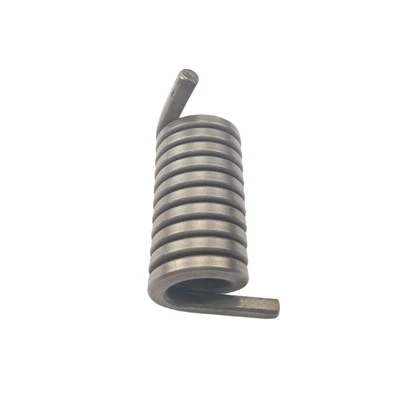
Understanding Wave Springs
Before we dive into the concept of radial force, let’s briefly recap what wave springs are. Wave springs are a type of compression spring that are characterized by their wave-like shape. Unlike traditional coil springs, which have a helical structure, wave springs are formed by coiling a flat wire into a series of waves. This design allows wave springs to provide a high amount of deflection and force in a relatively small space, making them ideal for applications where space is limited.
Wave springs are used in a wide range of industries, including automotive, aerospace, medical, and electronics. They are commonly found in applications such as clutches, brakes, valves, and bearings, where they are used to provide a constant force or to absorb shock and vibration.
What is Radial Force?
Radial force, in the context of wave springs, refers to the force exerted by the spring in a radial direction, perpendicular to the axis of the spring’s coil. When a wave spring is compressed, it generates a force that acts outward from the center of the spring, pushing against the surrounding components. This radial force is a crucial characteristic of wave springs, as it determines how the spring will interact with other parts in a given application.
The radial force of a wave spring is influenced by several factors, including the spring’s design, material, and the amount of compression. For example, a wave spring with a larger diameter or a higher number of waves will generally generate a greater radial force than a spring with a smaller diameter or fewer waves. Similarly, the material of the spring can also affect its radial force, with stiffer materials typically producing higher forces.
Importance of Radial Force in Wave Spring Applications
The radial force of a wave spring plays a vital role in many applications. Here are some examples of how radial force is utilized:
1. Bearing Preloading
In bearing applications, wave springs are often used to preload the bearings, which helps to eliminate play and reduce vibration. The radial force generated by the wave spring pushes against the bearings, creating a preload that ensures the bearings operate smoothly and efficiently. This is particularly important in high-speed or high-precision applications, where even small amounts of play can cause significant problems.
2. Sealing Applications
In sealing applications, wave springs are used to provide a constant pressure against a sealing surface, ensuring a tight seal. The radial force of the wave spring helps to maintain the seal by pushing the sealing element against the surface, preventing leaks. This is commonly seen in applications such as hydraulic cylinders, pumps, and valves.
3. Alignment and Centering
Wave springs can also be used to align and center components within a system. The radial force generated by the spring helps to keep the components in place, ensuring proper alignment and reducing the risk of misalignment or binding. This is important in applications where precise alignment is critical, such as in optical systems or robotics.
Calculating Radial Force
Calculating the radial force of a wave spring is a complex process that requires a thorough understanding of the spring’s design and material properties. There are several methods for calculating radial force, but one of the most common approaches is to use the spring’s spring rate and deflection.
The spring rate of a wave spring, also known as the stiffness, is the amount of force required to compress the spring by a certain amount. It is typically measured in pounds per inch (psi) or newtons per millimeter (N/mm). The deflection of the spring is the amount by which the spring is compressed from its free length.
To calculate the radial force of a wave spring, you can use the following formula:
F = k * δ
Where:
F = Radial force (in pounds or newtons)
k = Spring rate (in pounds per inch or newtons per millimeter)
δ = Deflection (in inches or millimeters)
For example, if a wave spring has a spring rate of 100 psi and is compressed by 0.1 inches, the radial force generated by the spring would be:
F = 100 psi * 0.1 inches = 10 pounds
It’s important to note that this is a simplified formula, and in real-world applications, other factors such as the spring’s geometry, material properties, and the presence of friction may also need to be taken into account.
Factors Affecting Radial Force
As mentioned earlier, several factors can affect the radial force of a wave spring. Here are some of the key factors to consider:
1. Spring Design
The design of the wave spring, including its diameter, number of waves, and pitch, can have a significant impact on its radial force. A spring with a larger diameter or a higher number of waves will generally generate a greater radial force than a spring with a smaller diameter or fewer waves.
2. Material Properties
The material of the wave spring also plays a crucial role in determining its radial force. Different materials have different stiffness and strength properties, which can affect the spring’s ability to generate force. For example, a spring made from a high-strength steel alloy will generally produce a higher radial force than a spring made from a softer material such as stainless steel.
3. Compression Ratio
The compression ratio, which is the ratio of the spring’s free length to its compressed length, can also affect its radial force. A spring that is compressed to a greater extent will generally generate a higher radial force than a spring that is compressed to a lesser extent.
4. Temperature
Temperature can also have an impact on the radial force of a wave spring. As the temperature increases, the material of the spring may expand or contract, which can affect its stiffness and strength. This can cause the radial force of the spring to change, which may need to be taken into account in applications where temperature variations are significant.
Radial Force Testing and Validation
To ensure that a wave spring meets the required radial force specifications, it’s important to conduct thorough testing and validation. This typically involves using specialized equipment to measure the spring’s radial force under different conditions, such as different compression levels and temperatures.
There are several methods for testing the radial force of a wave spring, including using a compression tester or a load cell. These tools allow you to accurately measure the force generated by the spring and compare it to the specified requirements.
In addition to testing the radial force, it’s also important to validate the spring’s performance in real-world applications. This can involve conducting field tests or simulations to ensure that the spring operates as expected and meets the requirements of the application.
Conclusion
The radial force of a wave spring is a critical characteristic that plays a vital role in many applications. Understanding what radial force is, how it’s calculated, and the factors that affect it is essential for selecting the right wave spring for your application.

As a wave spring supplier, we have the expertise and experience to help you choose the perfect wave spring for your specific needs. Our team of engineers can work with you to design and manufacture wave springs that meet your exact requirements, including the desired radial force.
Extension Spring If you’re in need of high-quality wave springs or have any questions about radial force or other technical aspects of wave springs, we encourage you to contact us for a consultation. We’re committed to providing our customers with the best possible products and services, and we look forward to working with you on your next project.
References
- Wahl, A. M. (1963). Mechanical Springs. McGraw-Hill Book Company.
- ASTM Standard E9 – 09. (2009). Standard Test Methods of Compression Testing of Metallic Materials at Room Temperature. ASTM International.
- Shakya, R. K., & Gupta, S. K. (2017). Design and Analysis of Wave Spring. International Journal of Current Engineering and Technology.
Shengzhou Deyuxiang Hardware Accessories Co., Ltd.
We are one of the most professional wave spring manufacturers and suppliers in China, also support customized service. With abundant experience, we warmly welcome you to buy high quality wave spring made in China here and get pricelist from our factory. For price consultation, contact us.
Address: No. 38, Caosheng Road, Caoqiao Street, Pinghu City, Jiaxing City, Zhejiang Province
E-mail: 877286126@qq.com
WebSite: https://www.dyx-spring.com/
