Hey there! I’m a supplier of hot pressing machines, and today I wanna chat about something super important in the hot pressing game: the influence of the moisture content of materials on the hot pressing process. Hot Pressing Machine
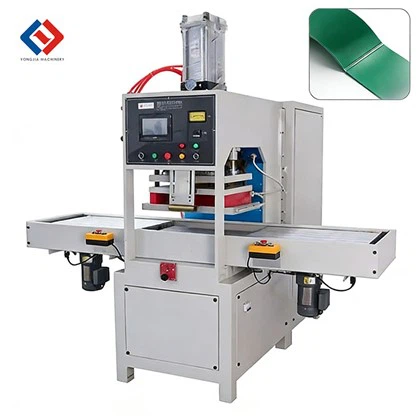
Understanding Moisture Content Basics
First off, let’s get clear on what moisture content actually is. It’s the amount of water present in a material, usually expressed as a percentage of the material’s dry weight. Different materials have different ideal moisture levels for hot pressing, and getting this right can make or break your end product.
For example, in the woodworking industry, which is a big user of hot pressing machines, the moisture content of wood is crucial. If the wood is too wet, say with a moisture content above 20%, it can cause a whole bunch of problems during hot pressing. When you heat wet wood, the water inside turns to steam. This steam needs to escape, and if it can’t do so properly, it can lead to issues like blistering, delamination, and poor bonding between layers.
On the other hand, if the wood is too dry, with a moisture content below 6 – 8%, it becomes brittle. During hot pressing, the dry wood may crack or break under pressure. The lack of moisture also affects the adhesive properties. Adhesives often rely on a certain amount of moisture to work effectively. Without it, the bond between the wood layers may not be as strong as it should be.
Impact on the Hot Pressing Process
1. Pressure and Time
The moisture content of the material directly affects the pressure and time required during hot pressing. When the material has a higher moisture content, more pressure and longer pressing times are usually needed. This is because the steam generated from the water needs to be forced out of the material. The pressure helps to squeeze out the steam and also ensures proper bonding between the layers.
For instance, if you’re hot – pressing a composite material with a high moisture content, you might need to increase the pressure by 10 – 20% compared to a material with the optimal moisture level. And the pressing time could be extended by 15 – 25%. This not only slows down the production process but also consumes more energy, which ultimately increases the cost.
2. Adhesive Performance
As I mentioned earlier, adhesives play a key role in hot pressing, and moisture content can have a huge impact on their performance. Most adhesives are formulated to work within a specific moisture range.
If the material is too wet, the excess water can dilute the adhesive. This reduces its bonding strength and can lead to a weak joint. In some cases, the adhesive may not cure properly, resulting in a product that doesn’t meet the required quality standards.
Conversely, when the material is too dry, the adhesive may dry out too quickly during hot pressing. This can prevent it from spreading evenly across the surfaces and forming a strong bond. Some adhesives need a certain amount of moisture to activate their bonding properties, and a lack of it can be a real deal – breaker.
3. Surface Quality
The moisture content of the material also affects the surface quality of the hot – pressed product. When the material is wet, the steam escaping during hot pressing can leave marks on the surface. These marks can range from small pits to large blisters, depending on the severity of the moisture issue.
In a manufacturing setting where the appearance of the product is important, such as in furniture production or the production of decorative panels, these surface defects can be a major problem. They may require additional processing steps, like sanding or finishing, to correct, which adds to the production cost and time.
Controlling Moisture Content
So, how do you ensure that the moisture content of your materials is just right for hot pressing? Well, there are a few methods.
One of the most common ways is to use a moisture meter. These devices are relatively inexpensive and easy to use. You can quickly check the moisture content of your materials before loading them into the hot pressing machine. If the moisture content is too high, you can dry the materials in a kiln or a dryer. This process can take some time, depending on the type and thickness of the material, but it’s well worth it to avoid the problems associated with high moisture.
On the other hand, if the materials are too dry, you can add a small amount of moisture. This can be done by misting the surface of the material with water or by using a humidity – controlled environment to gradually increase the moisture content to the optimal level.
Our Role as a Hot Pressing Machine Supplier
As a supplier of hot pressing machines, we understand the importance of moisture content in the hot pressing process. That’s why our machines are designed with features that can help compensate for some of the moisture – related issues.
For example, our hot pressing machines are equipped with precise pressure control systems. This allows you to adjust the pressure according to the moisture content of your materials. If you’re working with a high – moisture material, you can increase the pressure to ensure proper steam expulsion and bonding.
We also offer support in terms of process optimization. Our team of experts can help you determine the ideal moisture content for your specific materials and hot pressing requirements. We can provide advice on how to control the moisture content and how to adjust the hot pressing parameters to achieve the best results.
In addition, our machines are designed for energy efficiency. Since improper moisture content can lead to longer pressing times and higher energy consumption, our machines are built to minimize these losses. This helps you save on operating costs in the long run.
Conclusion

In conclusion, the moisture content of materials has a profound influence on the hot pressing process. It affects everything from the quality of the bond between layers to the surface appearance of the final product. As a supplier of hot pressing machines, we’re committed to helping you overcome the challenges posed by moisture content.
Plastic Bag Making Machine If you’re in the market for a hot pressing machine or if you’re having issues with your current hot pressing process related to moisture content, we’d love to talk to you. Drop us a line, and let’s discuss how our machines and expertise can optimize your production and help you achieve the best possible results.
References
- Hse, C. Y., & Feng, T. Y. (1993). Bonding mechanisms between wood and thermosetting resins. Wood and Fiber Science, 25(4), 414 – 421.
- Winandy, J. E., & Rowell, R. M. (2005). Wood handbook: Wood as an engineering material. Forest Products Laboratory.
- Blanchet, P. J., & Gupta, M. C. (1992). Basics of adhesion in composites. Journal of Adhesion Science and Technology, 6(8), 813 – 834.
Dongguan Yongjia Machinery Equipment Co., Ltd.
We are one of the most reliable hot pressing machine manufacturers and suppliers in China, specialized in providing high quality customized service. Please feel free to wholesale advanced hot pressing machine at low price from our factory. For quotation, contact us now.
Address: No. 240, Chashan South Road, Chashan Town, Dongguan City, Guangdong Province, China
E-mail: info@yjwelding.com
WebSite: https://www.yjhighfrequencymachine.com/
