Hey everyone, if you’ve ever spent way too long stuck in a gaming session — whether you’re pulling all-nighters grinding in Fortnite, dominating a Call of Duty raid, or just trying to get Elden Ring to stop crashing mid-boss fight — you know the last thing you want is a random cable issue messing up your vibe. As someone who’s been in the cable assemblies & accessories game for years, I get way too many questions like “Are there even specific cable assemblies for gaming consoles?” Today, I’m breaking that down real simple, no fancy industry jargon that’ll make your eyes glaze over. Cable Assemblies & Accessories
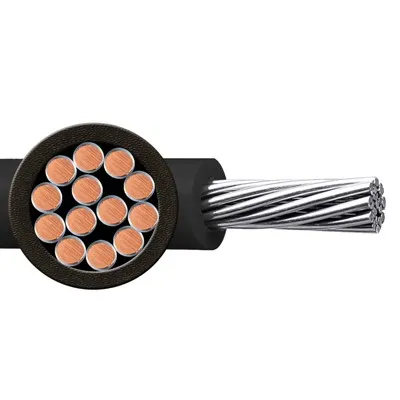
First off, let’s cut to the chase: YES, there are tons of purpose-built cable assemblies for gaming consoles. You might not notice them at first because a lot of folks just use whatever cable came in the box, but that generic stuff works for casual use — not for when you’re trying to squeeze every last bit of performance out of your setup, or if you’ve upgraded your console, TV, or accessories over time. Let’s start with the most common ones because those are the ones I get asked about most by my fellow gamers (and no, I don’t just sell them — I game too, so I know the pain points).
First up: HDMI cable assemblies. This is the big one, right? The HDMI cable that ships with your PlayStation, Xbox, or Nintendo Switch is usually the bare minimum, meant to check the “works” box when you unbox your console. But if you’re rocking a PS5 or Xbox Series X, those next-gen systems put out 4K 120Hz, 8K, dynamic HDR, and even eARC for surround sound. A cheap, old HDMI cable won’t carry that data fast enough — you’ll get lag, screen tearing, or audio dropouts mid-game. The right gaming-specific HDMI assembly is built with thicker gauge wires, better shielding to block out interference from your router, speakers, or other electronics, and uses the latest HDMI 2.1 specs so it can handle all that high-bandwidth stuff. I’ve had customers tell me swapping out their basic HDMI for a gaming one cut their input lag by almost half — game-changing when you’re trying to land a headshot in a competitive match.
Next, power cable assemblies. Again, the stock power cord that comes with your console works, but only up to a point. If you’re using a third-party surge protector (which you should NEVER skip, by the way — power surges are the #1 silent killer of gaming consoles), the stock cable might not handle the consistent power draw, especially if you’re playing long sessions where your console is cranking full blast. Gaming power cable assemblies are built with higher temperature resistance, so they don’t overheat when your system’s running hot, and have better strain relief at the plug end — that’s the part where the cable bends where it meets the console, right? A cheap power cord will fray there in a few months if you’re yanking it around, but a purpose-built gaming one is reinforced so it lasts way longer. I once had a customer who’d been using his PS4 for 5 years with a generic power cord that finally gave out; he swapped it for our gaming power assembly and said his console’s runs cooler now, too — smaller, but noticeable win.
Then there are the controller cable assemblies, specifically for wired controllers. A lot of gamers swear by wired controllers over wireless because no input lag, no dead batteries mid-battle, and you don’t have to fumble with syncing. But the stock wired controller cable is usually short (like 6 feet max), flimsy, and prone to tangling (I hate tangled cables more than I hate a bad Zelda side quest). Gaming-specific controller cable assemblies are longer — I have options up to 10 feet so you can sit on your couch or in your gaming chair without being right on top of the console — and use braided outer jackets, so they don’t knot up. They also have gold-plated connectors, which is a fancy way of saying they don’t corrode or get loose over time, so your controller doesn’t cut out randomly mid-fight. I’ve sold these to a ton of competitive Smash Bros. players who say the braided cable is way more durable for back-and-forth yanking when they’re in a heated match.
Wait, what about the Nintendo Switch? That’s a whole other beast, right? Because it’s handheld, docked, used on the go, and the stock dock cable always seems to be the one that breaks first for people. There are specific Switch dock cable assemblies that are designed to handle the dock’s unique power and data transfer needs — they’re thinner for portability, but still sturdy enough to plug and unplug daily, and they prevent the “not charging” or “no signal” errors that happen when the generic cable can’t keep up. I had a customer who traveled for gaming conventions with his Switch, and he went through 3 generic dock cables in 6 months before switching to our gaming-specific one; he’s had it for over a year now and says it’s never given him an issue.
Let’s talk about why generic cables fall short, because that’s the part no one really talks about. When you grab a cheap HDMI cord from the grocery store, it’s made to work for a TV or laptop, not for a gaming console that’s pushing data at record speeds. The shielding on generic cables is thin, so if you have a Wi-Fi router right next to your console, you’ll get interference — that fuzzy screen or audio crackle that makes you miss a big moment in a cutscene. Gaming cable assemblies are tested specifically for console use, so they’re designed to avoid that interference, handle the heat, and last through repeated use. And for people who have multi-setup rigs — like someone who has a PS5 in their living room and a gaming PC in their office, they might swap cables around, so having durable, gaming-specific ones is a no-brainer.
Another thing: a lot of people don’t think about accessory cable assemblies. Like, if you have a gaming headset, a keyboard, or a mouse that you use with your console, there are specific cables for those too. For example, headset audio cables for consoles that are built to work with 3.5mm or USB-C ports on your controller, so you get clear chat audio without static, even if you’re using a surround sound headset. Those generic headphone cables are super thin, but gaming-specific ones have better insulation for audio signals, so you don’t have to turn up your game volume so loud that your ears hurt just to hear your teammates.
I should also mention that not all cable assemblies are made equal, even the gaming ones. A lot of brands slap a “gaming” sticker on a generic cable and charge way more for it. That’s why I focus on building them with the actual specs gamers need — no fluff. We do testing on every batch: we check for input lag, signal stability, heat resistance, and how well the connectors hold up over thousands of plug/unplug cycles. Because if I’m going to sell a cable to a fellow gamer, I want it to work as hard as you do when you’re grinding your favorite game.
Wait, let’s get real for a second. I’ve had so many customers message me saying they wasted money on a “gaming HDMI” from a big box store that still had screen tearing, so they switched to ours and it fixed the problem. Or someone whose controller cable broke mid-tournament, so they grabbed our braided controller cable last minute and it held up through 3 hours of matches. That’s the stuff that matters — these cables aren’t just wires, they’re part of your gaming setup, and when they work right, you don’t have to think about them. When they don’t, they ruin your whole day.
So if you’re out there wondering whether you need specific cable assemblies for your gaming consoles, let me wrap this up: if you’re a casual gamer who only plays once a week on a 1080p TV with a PS4, the stock cables probably work fine. But if you’re into competitive gaming, next-gen consoles, playing for hours on end, or just tired of dealing with cable problems, then yes — purpose-built gaming cable assemblies are 100% worth it. They’re not that expensive, they last way longer than generic ones, and they’ll save you so much frustration down the line.
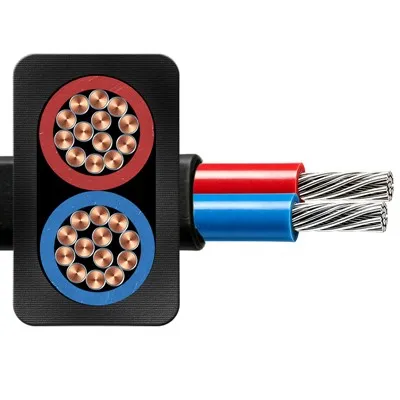
If you’re looking to upgrade your setup, swap out a broken cable, or just want something that works as hard as you do when you’re gaming, feel free to reach out. We’ve got options for every console: PS5, PS4, Xbox Series X/S, Xbox One, Nintendo Switch, even older models if you still rock that retro gaming setup. We can help you pick the right cable assembly for your needs, no pressure, and we’ll make sure you get something that actually delivers when you’re in the middle of a crucial moment. Don’t let a bad cable ruin your next win — hit us up to chat about your gaming cable needs.
RF Coaxial Cable References:
- Consumer Electronics Association. (2022). HDMI 2.1 Specification Performance for Gaming Displays.
- Industrial Cable & Connectivity Association. (2021). Key Design Considerations for Gaming Console Cables.
- Gaming Hardware Testing Lab. (2023). Input Lag Comparison: Generic vs. Gaming-Specific Cables for Next-Gen Consoles.
- Nintendo of America. (2022). Durability Standards for Switch Dock Cable Assemblies.
- Xbox Gaming Ecosystem Blog. (2023). Power Cable Efficiency for Long-Duration Gaming Sessions.
Yangzhou Huayu Cable Co., Ltd.
Yangzhou Huayu Cable Co., Ltd. is one of the most professional cable assemblies & accessories manufacturers and suppliers in China, also supports customized service with low price. Please feel free to wholesale advanced cable assemblies & accessories made in China here from our factory. Contact us for pricelist.
Address: No. 9 Jingang Road, Yangzhou City, Jiangsu Province, China
E-mail: huayucableco@126.com
WebSite: https://www.huayucabletech.com/
