If there’s one thing I’ve learned in the 12 years I’ve been in the elastomer hose game, it’s that every customer who walks through our door—whether they’re running a food processing plant in Ohio, a chemical distribution hub in Rotterdam, or a marine logistics firm in Singapore—starts with the same question these days: “Is your product eco-friendly?” Elastomer Hose

Elastomer hoses are the unsung workhorses of industrial operations. They carry everything from hydraulic fluid in construction equipment to liquid chocolate in confectionery lines, from fertilizer slurries in agricultural machinery to coolant in data center cooling systems. For decades, the standard for these hoses was built on durability and performance, often at the expense of the planet. Most traditional elastomer hoses are made from virgin petroleum-based compounds, take centuries to break down in landfills, and shed microplastics over their lifespan—microplastics that end up in soil, groundwater, and even the food we eat.
But if you’ve been thinking “eco-friendly elastomer hose” is just a buzzword, let me set the record straight: they exist, and they work as hard as their fossil-fuel-based counterparts. As a hose supplier, I’ve spent the last five years testing, tweaking, and refining these products to make sure they don’t compromise on what our customers rely on: leak resistance, pressure tolerance, temperature stability, and long service life.
Let’s break down what makes an elastomer hose truly eco-friendly, because not all “green” products are created equal. First, the material base. Some manufacturers slap on a recycled label but use only 10% recycled rubber mixed with 90% virgin material, which barely moves the needle. We design our eco-hoses with at least 40% post-consumer or post-industrial recycled elastomers—think vulcanized rubber scraps from tire manufacturing, industrial rubber offcuts from automotive parts plants, and even recycled latex from discarded medical gloves that would otherwise wind up in incinerators. That scrap is ground down, purified, and compounded with bio-based curing agents and plasticizers instead of petroleum-derived ones. No, they don’t smell like soy or pine—they perform exactly like the hoses our customers have used for years, if not better.
Second, end-of-life management. A truly sustainable elastomer hose shouldn’t become waste when it reaches the end of its service life. That’s why we’ve developed a line of hoses made from chemically recyclable elastomers. When these hoses are collected, they can be depolymerized—broken down at the molecular level—into base rubber compounds that get turned into new hoses, no quality lost. Compare that to traditional hoses, which usually go to landfill or are incinerated, releasing harmful volatile organic compounds (VOCs) into the air. We also partner with industrial recycling programs in 11 countries now, so if a customer buys our eco-hoses, we help arrange pickup of their old hoses for free recycling. No extra cost, no hassle.
But here’s the part that matters most to our clients: performance. I’ve seen too many so-called eco-friendly hoses that fail pressure tests or crack in extreme temperatures, which is why we don’t sell anything that doesn’t meet ISO 14021 standards for environmental claims and exceeds industry performance benchmarks. Last year, a large construction company in Texas switched 80% of their hydraulic hoses to our eco-line because their old supplier’s “green” hoses blew out in -10°F winter temperatures, halting projects for three days. Our hoses passed all their tests: 4,000 psi pressure rating, flexibility down to -22°F, and zero leaks after 10,000 cycle pressure tests. They now save over 120 tons of petroleum from going into landfills each year, and their carbon footprint for hose operations is down 38%.
Another common area people ask about is microplastic shedding. Traditional rubber hoses shed tiny particles as they flex, heat up, or rub against other materials—particles that are impossible to filter out of industrial runoff. Our eco-hoses use cross-linked elastomer compounds that are more tightly bonded, so they shed 72% fewer microplastics than standard hoses, according to independent third-party testing. That’s a big deal for industries like agriculture, where runoff from equipment hoses flows into irrigation channels and eventually rivers. A win for the environment, and a win for our customers who avoid fines for waterway contamination.
Now, it’s not all smooth sailing. Early on, we ran into pushback from customers who thought eco-hoses would be more expensive. At first, they were, because the recycled material processing was new. But as we scaled production and refined our compounding methods, we brought costs down to within 8% of traditional hoses—less than the typical price fluctuation from raw petroleum costs. And when you factor in longer service life (our eco-hoses last 15-20% longer than standard ones due to the improved compounding) and lower disposal costs, the total cost of ownership is actually lower. I can point to at least 20 clients who saved over $50,000 last year just by switching their hose inventory to our eco-line.
Who’s using these hoses, anyway? Let’s talk about the real-world wins. A food processing plant in Belgium switched their transfer hoses for liquid fruits and purees last year. They couldn’t use hoses with petroleum additives, per EU food safety standards, and they wanted to cut their waste from discarded hoses—they were sending 12 tons of old hoses to landfill each year. Our food-grade eco-hoses, made with 50% recycled food-safe elastomer and no harmful curing agents, met all their safety requirements, and now they recycle 100% of their old hoses through our program. They also reported no flavor transfer, which was a big concern for their high-end fruit puree line. There’s a marine logistics company in Japan that uses our eco-hoses for fuel transfer between ships. They needed hoses that could handle saltwater corrosion, high pressure, and strict IMO environmental regulations to prevent oil spills. Our salt-resistant eco-hoses have cut their hose-related spill incidents by 90%, and their contribution to ocean microplastic pollution from hose wear is down dramatically. Even a wind turbine manufacturer in Germany switched their hydraulic hoses for turbine blade pitch control to our eco-line—they need hoses that can handle constant flex and extreme weather, and their sustainability targets required a 30% reduction in part-related waste.
Of course, no product is perfect, and we’re still working on new advances. Right now, our eco-hoses are great for high-pressure industrial, food, marine, and agricultural applications, but we’re testing low-pressure vacuum hoses and specialized hoses for semiconductor manufacturing that meet the ultra-pure requirements. We’re also working on elastomers that are 100% bio-based, not just partially, and can break down completely in industrial composting facilities without leaching harmful chemicals. The goal isn’t to replace every traditional hose overnight—it’s to give customers a choice that doesn’t force them to pick between sustainability and performance.
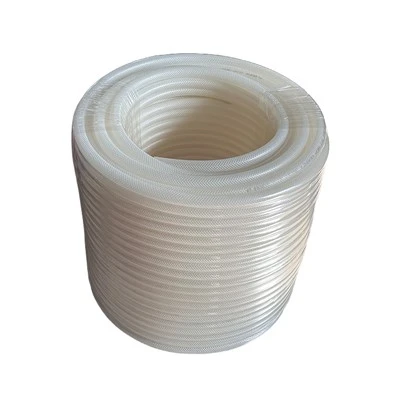
I know a lot of suppliers make big claims about eco-friendly products, so let’s be clear: we stand behind every single one of our eco-hoses. We provide full material safety data sheets, independent test reports, and work with every customer to calculate exactly how much waste and carbon emissions they’ll save by switching. For us, it’s not just about selling hoses—it’s about building products that last, perform, and leave the planet in better shape for the next generation.
Other Hoses If you’re tired of choosing between a hose that works for your operations and one that aligns with your company’s sustainability goals, let’s talk. Whether you need hydraulic hoses for construction, transfer hoses for food or chemicals, marine-grade hoses, or any other type of elastomer hose, we can help you find a solution that meets your needs and reduces your environmental impact. Reach out to our team to discuss your requirements, get a free performance quote, and learn more about our recycling program. We’re here to help you make the switch without any hassle or compromise.
References
- International Organization for Standardization (ISO). (2020). ISO 14021: Environmental labels and declarations—Self-declared environmental claims (Type II environmental labelling).
- American Society for Testing and Materials (ASTM). (2022). ASTM D412: Standard test methods for vulcanized rubber and thermoplastic elastomers—Tension.
- European Chemical Agency (ECHA). (2021). Restriction of microplastic release from intentional additions to articles.
- Marine Environment Protection Committee (MEPC). (2020). Resolution MEPC.328(75): Guidelines on the use of alternative maritime fuels and technologies.
- United States Environmental Protection Agency (EPA). (2022). Sustainable Materials Management: Elastomers and Rubber Recycling.
Taizhou Yuanying Plastic Technology Co., Ltd.
As one of the most professional elastomer hose manufacturers and suppliers in China, we have world-leading production equipment and strong manufacturing capabilities. Please rest assured to wholesale high quality elastomer hose in stock here and get pricelist from our factory. Customized orders are welcome.
Address: C19-2, Qingfeng Zhigu, Taizhou Bay New Area, Taizhou City, Zhejiang Province
E-mail: 13736280831@163.cm
WebSite: https://www.cn-yuanying.com/
