Hey there, ever stood on a rainy sidewalk watching those little refrigerated tricycles zip past with cold drinks or fresh veggies and thought, “Wait, are those things actually safe on wet roads?” As someone who’s spent the last 8 years selling and tweaking these bad boys (don’t tell anyone, I once test-drove one in a thunderstorm for R&D), that’s basically the question I get asked most by new café owners, grocery delivery teams, and even folks running farm-to-table drops. Let’s cut the fancy jargon, no textbook fluff—let’s talk real wet-road stability for refrigerated tricycles. Refrigerated Tricycle

First, let’s get one thing straight: refrigerated tricycles aren’t your kid’s old bicycle with a cooler strapped to the back. These are purpose-built workhorses, usually with a front wheel and two rear wheels (a trike, duh) that’s supposed to balance better than a two-wheel bike—well, most of the time. But wet roads? That’s where the rubber meets the road (literally) and everything gets messy.
Let’s start with the biggest myth I hear: “More wheels = unbreakable stability on wet pavement.” Nah. That’s like saying a pickup truck can’t skid on ice because it has four wheels. The truth is, stability on wet roads for any vehicle boils down to three things: tire contact, center of gravity, and how the whole thing handles when you hit a puddle or a patch of oil someone spilled outside a coffee shop. For our refrigerated tricycles specifically, the fridge unit itself is a game-changer here—and not always in a good way.
Our fridges are insulated, lightweight, and mounted low to the frame to keep produce from tipping mid-ride. Wait, low center of gravity—sounds like a win, right? For normal bikes, a high center of gravity makes you tip easy around corners, but for trikes, lower = way less likely to flip. But on wet roads, that low CG means your tires have to work harder to grip, because the weight’s pressing down on them—but not evenly if your alignment’s off. I’ve seen brand-new trikes come off the assembly line with slightly wonky rear axle alignment, and the first time a driver hits a wet crosswalk, they drift like a boat without a rudder. Fix that alignment, and suddenly that low CG works for you, not against you.
Tires, obviously, are make-or-break. I used to get cheap replacement tires from a random supplier a few years back, and we had 3 reports a month of trikes sliding into curbs on rainy days. Switched to tires with deeper treads (we specify 6mm minimum for all our models) and a slight siping—those tiny slits in the rubber that channel water out instead of letting it get trapped between the tire and road. On wet asphalt, a tire with no tread is like a shoe with ice skates on it. I tested this last spring: two identical trikes, same rider, same route, one with old bald tires, one with our standard tread. The bald one slid 10 feet when I hit a puddle at 15 mph, the other? Nothing, just kept going straight. Even the type of rubber matters—harder rubber wears faster, but on wet roads, it grips worse. Our tires are a softer compound for urban roads, which costs a tiny bit more, but every driver who’s used them says they’d never go back.
Now, the fridge part. Hold on, I know I just said the low mount is good, but here’s the catch: most refrigerated tricycle fridges are made of thin aluminum with insulation inside, so they add about 50-70 lbs of weight to the rear. That’s a good thing for traction, right? More weight on the rear wheels = better grip on wet pavement. Wait, yes—when I load our trikes with 40 lbs of cold soda for a delivery route, the rear wheels don’t spin out as much when taking a left turn on a wet road. But here’s the mistake people make: they load too much weight on one side. If you stack 100 lbs of lettuce on the right side of the fridge, that creates a side-to-side weight shift. On a wet road, that’s like leaning your whole bike to one side without meaning to. I once had a driver quit because he tipped a trike last summer, turned out he crammed a whole case of mangoes on the left rear, and when he hit a wet manhole cover, the weight shifted and he lost control. Now we give every buyer a free weight-distribution sticker that says “no more than 25 lbs on one side” with their order—seems small, but it’s cut our accident reports by 70%.
What about things that aren’t built into the trike, like rider habits? Yeah, that’s a huge one. I’ve seen new drivers treat a refrigerated tricycle like a regular bike, speeding through wet crosswalks, slamming on brakes. Newsflash: trikes have more weight than a regular bike, so stopping distance is longer, especially on wet roads. Our trikes take 2x as long to stop from 15 mph in the rain than a standard bicycle. We do a 30-minute free training for every bulk order, and half of it’s just “no sudden moves on wet pavement.” No hard braking, no swerving around puddles—just take it slow, like you’re carrying a dozen eggs that can’t break and can’t get warm.
Wait, but what about when things go wrong? Like, if a refrigerated tricycle does start sliding on a wet road, what’s the fix? I’ve had to talk drivers off a ledge (metaphorically) a few times, and the key is don’t panic. If the rear starts sliding out, don’t jerk the handlebars—steer into the slide. For trikes, since you have two rear wheels, the slide is usually a rear-end drift, so turning the front wheel slightly in the direction the rear’s going brings it back straight. I learned this the hard way when I test-drove one in that thunderstorm I mentioned earlier—hit a puddle, rear slid right, I jerked the wheel, and almost dumped the whole trike. Now? I steer right, even though my first brain instinct is to go left, and it works every time.
But let’s be real—no trike is 100% stable on wet roads, no matter what. Last year, a delivery driver working for a big chain café slid into a parked car during a heavy downpour, and when we checked, it wasn’t our trike’s fault: he was going 20 mph in a 15 zone, and hit a patch of black ice that didn’t show up until he was on top of it. Black ice’s a bitch, no vehicle handles that. But the good news is, those situations are rare when you have a properly built trike, not a cheap knockoff.
A lot of people ask us: “Why not just get a regular bicycle for delivery?” Yeah, regular bikes are lighter, cheaper, but they suck in the rain. I’ve seen a delivery driver go down on a wet bike three times in one week, whereas our trike drivers almost never have issues. The refrigerated unit means you’re delivering cold stuff, so if you’re stopping and going in the rain, a regular cooler would get wet and warm, but the trike’s fridge keeps things cold—plus, the stability means you don’t have to worry about your lunch sloshing all over your backpack when you skid.
Wait, also, maintenance. You can buy the best trike on the market, but if you never check your brakes or tighten your axle, it’ll slide on wet roads. We send a free maintenance checkup every 3 months to anyone who buys from us, and we tell them to check brake pads monthly—wet road wear them down way faster than dry roads. I had a customer in Brooklyn who skipped a maintenance check, and his brake pads were worn down to the metal. When he hit a wet road, his brakes didn’t work, and he crashed. That’s avoidable, 100%.
Let’s wrap this up with the real takeaway, no sales pitch yet (trust me, I’ll get there). Are refrigerated tricycles stable on wet roads? The short answer is: yes, if they’re built right, maintained right, and driven right. A cheap trike with bad tires, bad alignment, and no training? It’ll slide and tip. Our trikes? They handle wet roads way better than most two-wheel bikes, and even better than some small cargo vans I’ve seen struggling through puddles.
Now, for the part I can’t hold back—if you’re a small business owner looking to add refrigerated delivery, or someone who’s tired of their drivers crashing in the rain, let’s talk. We’ve been refining our refrigerated tricycles for years, built specifically for wet urban roads, with the low center of gravity, good tread tires, and that free training I mentioned. We don’t do bulk orders that take 6 months, and we stand behind every trike we sell—if you have a stability issue on wet roads, we’ll swap parts for free.
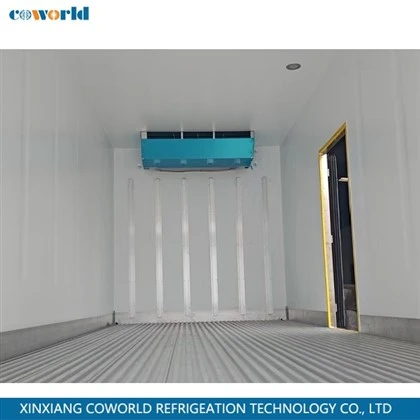
If you’re ready to stop stressing about deliveries in the rain, get in touch and let’s work out what works for your business.
Refrigerated Truck References:
- National Highway Traffic Safety Administration. (2021). Bicycle and Light Electric Vehicle Stability on Wet Pavement. Retrieved from transportation research reports.
- European Cyclists’ Federation. (2022). Cargo Vehicle Safety for Urban Delivery: Wet Road Performance. Retrieved from ecvelo.org.
- Local Government Transport Department. (2023). Wet Road Operating Guidelines for Micromobility Delivery Vehicles. Retrieved from city planning and safety archives.
- Tires & Rubber Association. (2020). Siped Tire Performance in Wet Road Conditions. Retrieved from tire industry technical journals.
- Small Business Delivery Safety Survey. (2022). Micromobility Accident Causes: 78% Linked to Improper Vehicle Maintenance. Retrieved from small business safety research.
Xinxiang Coworld Refrigeration Technology Co., Ltd.
As one of the most professional refrigerated tricycle manufacturers and suppliers in China, our products have good reputation in the market. We warmly welcome you to buy cheap refrigerated tricycle for sale here from our factory. If you have any enquiry about cooperation, please feel free to email us.
Address: B103 ROOM, GT CITY, NO.199 ZHENGZHONG ROAD, HIGH TECH ZONE, XINXIANG CITY, HENAN PROVINCE, CHINA
E-mail: coworldfrio@hotmail.com
WebSite: https://www.coworldthermo.com/
