Alright, let’s cut to the chase – if you’re deep in industrial parts procurement, you’ve probably stared at the hydraulic and pneumatic flexible connector sections of your supply list and gone, “Wait, which one do I actually need?” As a flexible connector supplier who’s fielded this question a dozen times a week for the last 7 years, I’m not here to hit you with textbook jargon that makes your eyes cross. Let’s break this down like we’re at a shop floor lunch break, no fancy PhD required. Flexible Connectors
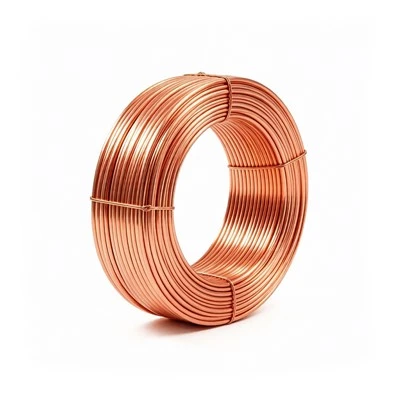
First, let’s get the basic vibe right: both of these are flexible connectors, right? They’re the hoses, tubes, or coupling things that connect two parts of a system so stuff (fluid or air) can move, while accommodating vibration, misalignment, or thermal expansion. The big difference? What they move, and that changes everything about how they work, when you use them, and which one you should pick.
Let’s start with the bad boys of pressurized fluid: hydraulic flexible connectors. If your system runs on oil (or sometimes water-based fluid for food-grade stuff), that’s hydraulic. Think heavy machinery – excavators, cranes, factory press brakes, those big machine tools that lift 10-ton chunks of metal. Now, why is this different from pneumatic? Hydraulic systems use incompressible fluid. Wait, hold up – what does that mean? If you take a liter of hydraulic oil and squeeze it as hard as you can, you’re not going to squish it into half a liter. It’s rigid. That means hydraulic systems can generate insane force with way less volume. Like, a small hydraulic hose can push 10,000 psi or more – that’s enough to bend steel, for real.
Now, pneumatic flexible connectors – those are the ones for air. Compressed air, usually from a compressor. Think of your shop’s air tools (drills, sanders), conveyor systems that move parts on the factory floor, maybe even the air brakes on a delivery truck. Air is super compressible. Squeeze that liter of air, and you can cram it into a tiny space, no problem. So pneumatic systems run at way lower pressures – usually 100 to 150 psi, maxing out around 300 psi for heavy-duty stuff.
That pressure and incompressibility is where the flexible connectors themselves start to differ, beyond what they carry. Let’s talk materials, because that’s a huge point I see so many folks mess up. Hydraulic flexible connectors can’t just be rubber garden hose, right? They need to hold that crazy pressure, and they have to resist the harsh chemicals in hydraulic oil (which is full of additives to keep it from gunking up). Most good hydraulic ones are reinforced with multiple layers of steel braid or even steel wire spirals – like, imagine wrapping your hose in steel rope, that’s what we’re talking about. The outer layer is usually a tough synthetic rubber or thermoplastic that can handle abrasion from being dragged under equipment, and the inner layer is compatible with the specific fluid you’re using (mineral oil, synthetic fluid, whatever).
Pneumatic flexible connectors? They don’t need that over-the-top pressure resistance, so their materials are lighter. Most are single or double braided synthetic fiber (like polyester or nylon) instead of steel, because air’s low pressure doesn’t need steel reinforcement. The inner layer is compatible with compressed air, obviously, and the outer is for abrasion too, but it’s not as thick or heavy. Wait, but here’s a caveat: if you use a pneumatic connector for hydraulic fluid, it’ll blow – no joke. I’ve seen a guy at a construction site grab the wrong hose and it split open under 5,000 psi of oil, covered him from head to toe in grease. That’s a story I still hear about.
Next up, flexibility and movement – that’s the “flexible” part of flexible connectors, right? Because these things aren’t just straight pipes; they have to move. Hydraulic flexible connectors tend to be stiffer, right? Because of all that steel reinforcement. You don’t want them flopping around on heavy equipment. They have a tighter bend radius too – meaning if you bend them too far, they’ll kink or crack, because the steel braid doesn’t give that much. Pneumatic ones are way more bendable, thanks to their fiber reinforcement. You can snake them around tight spots on a machine, no problem, because the nylon braid gives a little. But wait, there’s a trade-off: pneumatic ones can’t handle the same misalignment or vibration that hydraulic ones can? No, wait, no – hydraulic ones have to handle way bigger vibration and heavier loads, so their reinforcement is built for that, but their stiffness means they don’t sway as much. Pneumatic ones are softer, so they can chafe more if they rub against metal, because they don’t have that thick outer steel layer.
Pressure ratings and safety are another big one. Let’s put this in perspective: a typical hydraulic hose for an excavator has a working pressure of 3,000 psi, and a burst pressure of like 10,000 psi. Pneumatic hoses top out at 300 psi working, burst at maybe 1,000 psi. So if you accidentally hook a pneumatic connector up to a hydraulic system, it’s going to fail instantly. And vice versa – hydraulic connectors are overkill for pneumatic systems, but they’ll work, just way more expensive than you need to be. I tell folks all the time, don’t waste money on a 500 psi hydraulic hose for your air tools when a $15 pneumatic one will do the same job for $3.
Wait, what about response time? That’s something you don’t hear a lot about, but it matters. Since hydraulic fluid is incompressible, when you open a valve, the force transfers instantly to the end of the connector. If your excavator’s arm moves when you hit the lever, that’s why – no delay. Pneumatic systems? Because air is compressible, there’s a tiny lag. You hit the valve, the air fills the hose first, then the tool moves. That’s fine for air tools, but if you need precision, hydraulic is the way to go. So if your flexible connector is part of a system that needs quick, precise movement (like a robot arm’s hydraulic joints), hydraulic is your call. If it’s just moving parts around a conveyor, pneumatic’s fine.
Also, let’s talk about maintenance and lifespan. Hydraulic flexible connectors, because they handle higher pressure and harsher fluids, tend to wear out faster if not taken care of. You have to check for leaks, abrasion, or bulges (bulges mean the inner liner is failing, by the way – that’s a big red flag). They’re also more prone to leakage if the connections aren’t tight, because hydraulic fluid is thin under pressure. Pneumatic connectors last longer, usually, because they’re under lower pressure, but they can get clogged with moisture from compressed air (that’s why you need air dryers) so you have to blow them out regularly. And if you kink a pneumatic hose, you can often fix it with a quick coupling, but kinking a hydraulic hose will damage the steel braid and make it unsafe to use – toss it, no exceptions.
Wait, there’s food-grade applications too, right? I get a lot of orders from food and beverage plants. For hydraulic food-grade flexible connectors, they use synthetic fluids (like polyalkylene glycol) and food-safe rubber liners, no animal byproducts, and they’re resistant to cleaning chemicals. For pneumatic ones, they’re often white or clear to show if there’s moisture buildup, and the materials are FDA-approved for air that might come into contact with food packaging.
Now, let’s get to when you should pick which. Let’s make a quick cheat sheet, no jargon:
- Pick hydraulic flexible connectors if: you need heavy force, precise movement, handling oil or non-compressible fluid, working pressures over 500 psi, heavy machinery, construction, manufacturing presses.
- Pick pneumatic flexible connectors if: low-pressure air, light force, conveyor systems, air tools, truck brakes, pressures under 200 psi, general factory automation.
But wait, I want to add a real-world example because that’s what matters. Last year, a guy from a local trucking company called me panicking. He had air brakes on his delivery truck that were leaking, and he tried to patch them with a hydraulic hose he had in his toolbox. 10 minutes down the road, the hose blew out at 120 psi, and his brakes locked up. Total chaos. That’s the kind of mistake I see all the time – mixing up these two because they look similar on the shelf, but they’re night and day.
Another example: a small fabrication shop I work with. They used to use pneumatic hoses for their press brake operations, but they kept breaking the hoses when they tried to bend thick metal. Switched to hydraulic flexible connectors, and they haven’t had a failure in 2 years. Makes sense – that press brake is pushing 200 tons, so you need that incompressible fluid and steel-reinforced hose.
Now, as someone who sells these, I get it – you don’t want to overbuy, but you also don’t want to buy the wrong thing and have it fail mid-job, which costs way more than the hose itself. I always ask my customers three things when they call: what’s the working pressure? What fluid/air are you moving? What’s the application? That’s how I tell them which connector is right, no guesswork.
Wait, one more thing that’s important: size. Hydraulic flexible connectors are measured by inner diameter (ID) to handle high flow rates without pressure drop, but they’re usually thicker because of the reinforcement. Pneumatic ones are also measured by ID, but they’re thinner and more flexible. If you need a long run, pneumatic might be lighter, but hydraulic won’t sag under pressure.
Let me wrap this up without being salesy (but if you’re still reading, you know where to go). The core difference isn’t just what they carry – it’s pressure, material, intended use, and how they perform under load. Hydraulic = heavy, high-pressure, incompressible fluid, steel-reinforced, for force. Pneumatic = light, low-pressure, compressible air, fiber-reinforced, for general air movement.
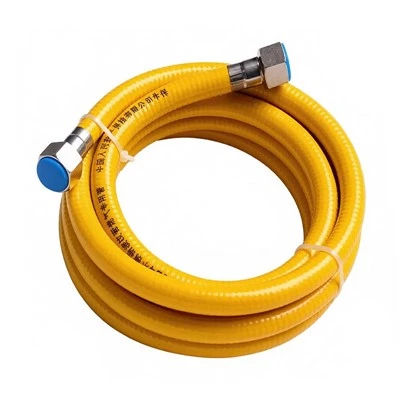
If you’re not sure which one you need, don’t guess. Hit us up, tell us your application, pressure, and fluid/air type, and we’ll point you to the right flexible connector. No pressure, no fine print, just honest advice. We’ve been doing this for years, so we’ve seen every mistake in the book, and we’ll help you avoid the one that costs you downtime, money, or even safety.
Connecting Rods At the end of the day, flexible connectors are the unsung heroes of industrial systems. Pick the wrong one, and your whole line shuts down. Pick the right one, and you’ll forget they’re even there – until you need another one.
References
- Hydraulic and Pneumatic Power: Design and Analysis, T. H. Brown, Industrial Press Inc., 2019
- Flexible Hose Technology for Industrial Applications, J. M. Smith, Elsevier, 2021
- Occupational Safety and Health Administration (OSHA) Guidelines for Hydraulic and Pneumatic Hose Safety, U.S. Department of Labor, 2020
- Food-Grade Fluid and Air Transfer Hoses: Material Compatibility Standards, FDA, 2022
Zhejiang Jintai Copper Industry Co., Ltd.
We are one of the most professional flexible connectors manufacturers and suppliers in China, also support customized service. With abundant experience, we warmly welcome you to wholesale bulk high quality flexible connectors made in China here from our factory. For quotation, contact us now.
Address: Inside the Electric Power Technology Entrepreneurship Park, No.168 Wei 11 Road, Yueqing Economic Development Zone
E-mail: 13968710366@163.com
WebSite: https://www.jintaicopper.com/
