If you’re sourcing an electronic component flammability tester, you’re likely working in an industry where compliance isn’t just a box to check—it’s the difference between launching a product that meets safety standards and one that ends up costing you recalls, regulatory fines, or even reputational damage. After years of walking alongside engineers, quality control leads, and small business owners who’ve stumbled into the trap of cheap, unreliable test equipment, I’ve learned the hard way that not all testers are created equal. Let’s break down where to buy a tester you can trust, and what to skip when making this critical purchase. Electronic Component Flammability Tester
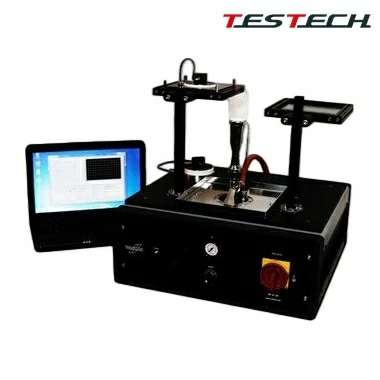
First, let’s ground this in why reliability matters. A flammability tester for electronic components isn’t a generic lab gadget—it’s built to replicate real-world fire risks for parts like resistors, capacitors, PCBs, and wiring harnesses. For example, agencies like UL, IEC, and CSA have strict standards for tests like the Glow Wire Test (IEC 60695-2-10), Needle Flame Test (IEC 60695-2-11), and Horizontal/Vertical Burn Test (UL 94). A subpar tester won’t maintain the exact flame temperature, heat duration, or sample placement required by these standards, which means your test results will be meaningless. That’s the kind of mistake that can derail a product launch: if your non-compliant tester gives you a false pass, you might send a batch of parts that fail third-party testing down the line, costing you thousands in reworks and delays.
Now, let’s talk about where to look—starting with the right kind of supplier, not just the first Google result. For years, I’ve seen buyers gravitate towards mass-market industrial supply platforms, which might list a dozen different flammability testers at 30-40% lower than the average market rate. But here’s the catch: many of those sellers are just reselling generic equipment, not calibrating it against global standards, or offering any post-purchase support. I once worked with a small electronics startup that bought a tester from a big online supply platform for a fraction of our price, only to have it fail a third-party audit three weeks after delivery. The seller refused to provide a calibration certificate, and their “technical support” didn’t know how to adjust the tester’s flame height to meet IEC specs. That startup ended up having to scrap a $50,000 batch of components because their uncalibrated tester had given them a false sense of compliance.
So what should you prioritize in a supplier? First, look for a vendor that specializes exclusively in flammability test equipment for electronic components—no general lab tools, no one-off listings for cheap gadgets. General industrial suppliers often cut corners on the core components that make a tester reliable: things like precision temperature sensors for the glow wire, adjustable gas flow control for the needle flame, and built-in timers that meet standard requirements. A specialist supplier will design their testers with those standards in mind, not as an afterthought. That’s where I come in—we’ve been engineering electronic component flammability testers for 12 years, and every unit we build is calibrated against the latest IEC and UL standards before it leaves our facility.
Next, verification is non-negotiable. When you’re vetting a supplier, don’t take their word for it—ask for proof of compliance. A reliable tester should come with a traceable calibration certificate, documentation that proves it meets IEC 60695, UL 94, or whatever standard applies to your work. For example, if you’re testing components for the European market, your tester needs to comply with IEC 60695, so ask the supplier to share test reports from an independent lab confirming their tester meets that standard. I’ve had clients come to us after buying testers from suppliers that provided fake calibration certificates, so we run a full audit of every unit before delivery to make sure those numbers are accurate.
Another key factor is post-purchase support. Flammability testers, like any precision equipment, need regular calibration, replacement parts, and troubleshooting. A lot of online sellers only offer a 30-day return window and then disappear—if your tester breaks six months after you buy it, you’re stuck paying for costly repairs or a whole new unit. Look for a supplier that offers local or remote technical support, on-site calibration services (if you’re in the same region), and a supply of replacement parts like burner tips or temperature sensors. For our customers, we include a one-year calibration and support package with every tester, plus access to our team of engineers who can help adjust test parameters, walk through standard-specific protocols, or resolve issues in 24 hours or less. That’s not the kind of support you get from a mass-market supplier.
Now, if you’re a small to medium-sized business that’s working with a tighter budget, you might be tempted to go for a used tester. I understand that—new test equipment can feel like a big upfront cost, especially when you’re just starting out. But here’s the thing: used flammability testers often come with no calibration history, and you have no way of knowing if they’ve been damaged, misused, or out of calibration for months. We’ve seen used testers that couldn’t maintain a steady flame temperature, had broken timing controls, or had wear on critical components that made their results unreliable. If you do consider a used tester, only buy from a supplier that can provide full calibration records, a 90-day warranty, and a guarantee that the unit has been tested against your required standards. And even then, we recommend budgeting for a full calibration service within the first 30 days of receiving it to ensure it’s compliant.
Wait, but what about custom needs? A lot of buyers assume that all flammability testers are the same, but that’s not true. If you’re testing large PCB assemblies instead of small resistors, or non-standard plastic components, you’ll need a tester that can accommodate your sample size. A reliable supplier will work with you to adjust the tester’s sample holder, flame positioning, or test parameters to fit your specific needs. We’ve built custom testers for automotive electronics manufacturers that test full dashboard wiring harnesses, and for aerospace clients that need to test fire-resistant plastics for satellite components. A general reseller can’t offer that kind of customization or industry-specific expertise.
Let me also address a common misconception: the most expensive tester isn’t always the best, and the cheapest isn’t always a bad deal. The sweet spot is a supplier that’s transparent about their pricing, explains what’s included in the cost (calibration, support, warranty), and doesn’t charge hidden fees for calibration services or replacement parts. We price our testers competitively because we focus on efficiency in our manufacturing, not cutting corners on quality. A lot of buyers assume our higher price is a markup, but when you factor in the cost of non-compliance, recall fees, and the risk of bad test results, a reliable tester is actually a cost saver in the long run.
So how do you avoid the wrong supplier? Let’s recap the red flags to watch out for:
- A supplier that can’t provide clear documentation of compliance with IEC, UL, or other relevant standards.
- A seller that only offers email support with no dedicated technical team.
- Pricing that’s 50% below the industry average—this almost always means the tester is uncalibrated or missing key safety features.
- No warranty or return policy that lasts longer than 30 days.
- No mention of calibration services or replacement parts.

Now, if you’re ready to invest in a tester that will give you accurate, compliant results, the best next step is to reach out to a supplier that specializes in electronic component flammability testers, understands your industry, and prioritizes support and compliance. We work with clients across electronics manufacturing, automotive, aerospace, and consumer goods, and every tester we build is designed to meet the exact standards your products need to pass. If you have questions about which tester is right for your components, need help verifying compliance, or want to discuss a custom solution, don’t hesitate to connect with our team to learn more and arrange a time to discuss your specific requirements.
Transportation Material Flammability Tester References:
- International Electrotechnical Commission. IEC 60695: Fire Hazard Testing for Electric Products. Geneva: IEC, 2022.
- Underwriters Laboratories. UL 94: Standard for Flammability of Plastic Materials for Parts in Devices and Appliances. Northbrook: UL, 2021.
- ISO 10217: Fire Tests for Electrical Equipment – Guidelines for Test Method Selection. Geneva: ISO, 2020.
TESTech Instrument (Suzhou) Technologies
TESTech Instrument (Suzhou) Technologies is one of the most reliable electronic component flammability tester manufacturers and suppliers in China. If you’re going to wholesale durable electronic component flammability tester, welcome to get quotation from our factory. For price consultation, contact us.
Address: 8/F, R&D and Production Workshop No. 5, Jiangsu Guoqian Technology Innovation Industrial Park, 168 Lüliangshan Road, Huqiu District, Suzhou, Jiangsu Province, China
E-mail: sales@testech.com.cn
WebSite: https://www.testechfiretest.com/
