If you’ve ever stood in front of a pile of hex nuts, fumbling with a wrench that keeps slipping, or spent half an hour trying to loosen a nut that’s seized solid after a year outdoors, you know how much a good lubricant matters—especially if you’re sourcing these parts for a construction project, industrial assembly line, or even a small repair shop. As someone who’s supplied hex nuts to workshops and factories across the Midwest for over a decade, I’ve heard every question about lubrication, from “do I even need it?” to “which stuff doesn’t attract dust and gunk?” Let’s break this down, because the “best” lubricant for hex nuts isn’t a one-size-fits-all answer—it depends on what you’re using the nuts for, where they’re installed, and how long you need them to hold. Hex Nuts
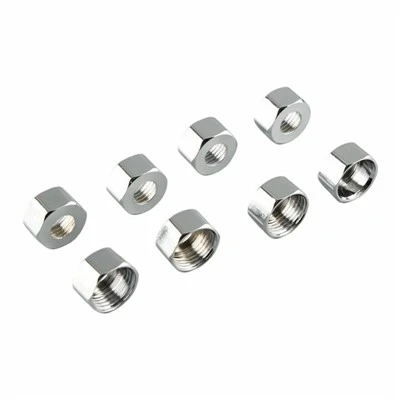
First, let’s get one thing straight: many people underestimate the role of lubrication in fastener performance. Hex nuts aren’t just metal pieces with six sides—they’re precision parts engineered to create a tight, load-bearing connection when paired with a bolt. Friction between the nut’s internal threads and the bolt’s external ones is what lets you tighten the nut, but too much friction can cause two big problems: you’ll apply more force than needed, leading to stripped threads or even broken bolts, and if the connection is in a harsh environment, that friction can trap moisture, dirt, or corrosive agents that speed up rust and seize the nut solid over time.
I’ve seen this firsthand with clients who skipped lubrication entirely on a construction job a few years back. They used standard carbon steel hex nuts for a outdoor steel beam assembly, and by the next spring, half the nuts were so rusted tight they had to be cut off—costing them weeks of rework and thousands in replacement materials. Another client, a small automotive repair shop, used generic oil on hex nuts for engine parts, only to find the oil attracted carbon deposits that gummed up the threads, leading to loose connections halfway through a test run. So choosing the right lubricant isn’t just a “nice to have”—it’s a way to extend the life of your fasteners, reduce labor costs, and prevent safety hazards from failing connections.
Now, let’s talk about the top lubricants for hex nuts, and when each makes sense, based on the projects my customers rely on me for every day.
- Anti-Seize Compound: The Workhorse for Harsh Environments
If your hex nuts are going to be exposed to extreme temperatures, moisture, or corrosive chemicals—think exhaust systems, marine rigging, or outdoor industrial equipment—anti-seize compound is hands down the best choice. This isn’t just regular grease; it’s a mixture of metal powders (like copper, nickel, or aluminum) suspended in a grease base, designed to prevent direct metal-to-metal contact between the nut and bolt. I recommend copper-based anti-seize more often than not, because it’s versatile: it works on steel, stainless steel, and even aluminum fasteners, and it can handle temperatures from -40°F to 1800°F, which covers most heavy-duty applications.
A customer of mine who installs commercial HVAC systems swears by this stuff for hex nuts on ductwork connections. He told me before he started using anti-seize, he’d show up to service a unit a few months later to find nuts frozen solid by humidity and road salt from winter plows. Now, he applies a thin, even coat to each nut and bolt before installation, and he rarely has to cut a nut free during service. The key here is to use a thin coat—too much anti-seize can actually prevent the nut from seating properly, because the powder creates a barrier that keeps the nut from tightening to its specified torque. I tell all my clients: a pea-sized amount is enough for a standard ½-inch hex nut.
One caveat: avoid nickel-based anti-seize if you’re using stainless steel fasteners. The dissimilar metals can cause galvanic corrosion, which will eat away at both the nut and bolt over time. Stick to copper-based or aluminum-based anti-seize for stainless steel, and you’re good to go.
- Dry Film Lubricant: The Best for Clean, Indoor Applications
If your hex nuts are going inside a machine, appliance, or a space where excess oil or grease would attract dust, lint, or debris—like electronic enclosures, conveyor belts, or furniture hardware—dry film lubricant is the way to go. Unlike grease or anti-seize, this lubricant is a thin, solid coating (usually made of PTFE, molybdenum disulfide, or graphite) that dries completely to a smooth, non-stick surface. It reduces friction without leaving a messy residue, which keeps your workspace clean and prevents contaminants from getting into your fastener threads.
I had a client who manufactures food processing equipment come to me last year. They needed hex nuts for a new line of cereal packaging machines, and they couldn’t use oil-based lubricants because food particles would get stuck in the grease, leading to contamination. Dry film lubricant was the perfect fit: it’s inert, so it won’t react with food, and it doesn’t attract debris, so the machine runs smoothly without jamming. Another use case: hex nuts for bicycle parts, where riders don’t want grease on their hands or the bike’s frame. Dry film is lightweight, doesn’t drip, and keeps the connections tight without gumming up the works.
Just make sure you get a dry film lubricant rated for fasteners—not the kind for metal tools or surfaces. The best ones have a low coefficient of friction, which means you can apply the right torque without over-tightening, and they adhere well to metal threads so they don’t wipe off during installation.
- White Lithium Grease: The Middle Ground for General Use
For indoor or mild outdoor applications where you want something easy to apply, not too messy, and affordable, white lithium grease is a solid option. It’s a petroleum-based grease with lithium soap as a thickener, and it works well for hex nuts used in things like garage door hardware, garden equipment, or interior furniture. It’s water-resistant enough to handle light rain or humidity, but not so heavy that it will attract excess dirt.
I often recommend white lithium grease to small business owners who don’t want to splurge on anti-seize or dry film for their smaller projects. It’s cheap, easy to find at any hardware store, and it does the job for applications that don’t face extreme conditions. That said, it’s not the best for high-heat areas—like engine parts or exhaust systems—because the grease can break down at temperatures above 400°F, leaving a sticky residue that can trap dirt and cause corrosion over time.
Now, let’s talk about what you should never use as a lubricant for hex nuts. I’ve seen clients make these mistakes again and again, so it’s worth calling them out. First, never use motor oil straight from the bottle. Motor oil is designed to lubricate moving parts in engines, not create a durable barrier between fastener threads. It will seep out of the threads over time, leaving metal exposed to corrosion, and it can attract dust and dirt that will cause the nut to seize. Second, never use butter, petroleum jelly, or household grease. These products break down quickly, especially in heat, and they don’t offer any corrosion protection. A customer once used petroleum jelly on hex nuts for a farm tractor, and within a month, the jelly had melted in the sun, leaving rust on the threads that made the nuts impossible to loosen. Third, don’t mix lubricants. If you start with anti-seize, don’t top it with grease—this can cause the two products to react, reducing their effectiveness.
Another important point: even if you use the right lubricant, application matters. Always clean the threads of the nut and bolt before applying lubricant. If there’s rust, dirt, or old grease on the threads, the lubricant won’t adhere properly, and you’ll get uneven friction. You can use a wire brush to scrub the threads, or a degreaser for heavy buildup. For best results, apply the lubricant to both the nut’s internal threads and the bolt’s external threads—this ensures the entire surface is covered, reducing friction across the entire connection.
As a supplier of hex nuts, I also test these lubricants on the fasteners we sell to make sure they work together. For example, our carbon steel hex nuts come with a phosphate coating that improves lubricant adhesion, so pairing them with copper anti-seize gives you a connection that’s resistant to rust and easy to service. Our stainless steel hex nuts are passivated to prevent corrosion, so a thin coat of dry film lubricant is all you need for indoor applications. We’ve done torque tests on these combinations, and they meet and exceed industry standards for fastener performance.
At the end of the day, the best lubricant for your hex nuts comes down to two questions: what environment are the nuts going into, and what’s your maintenance plan? If you’re working in a harsh, outdoor environment and you don’t want to deal with seized nuts later, go with anti-seize. If you need a clean, mess-free solution for indoor equipment, dry film is perfect. For general, low-stakes applications, white lithium grease will get the job done.

If you’re not sure which lubricant is right for your specific project, or if you’re looking for high-quality hex nuts paired with the right lubrication solution, I’m here to help. Whether you’re a contractor outfitting a new construction site, a factory manager upgrading assembly line equipment, or a hobbyist working on a home repair, we can match you with the right fasteners and lubricants to get the job done right. Don’t hesitate to reach out to discuss your requirements—we’ll help you avoid the mistakes that cost time and money down the line.
Socket Head Cap Screws References
Shigley, J. E., Mischke, C. R., & Budynas, R. G. (2004). Mechanical Engineering Design. McGraw-Hill.
Society of Automotive Engineers. (2010). Fastener Lubrication Practices for Automotive Applications. SAE International.
ASTM International. (2018). Standard Test Method for Evaluating Anti-Seize Compounds for Fasteners. ASTM International.
Handan Jihao Fastener Co., Ltd.
We’re known as one of the most professional hex nuts manufacturers and suppliers in China. With abundant experience, we warmly welcome you to wholesale customized hex nuts made in China here from our factory. If you have any enquiry about cooperation, please feel free to email us.
Address: A2, Row 31, Feiyu Screw World, Hebei Pu, Linmengguan Town, Yongnian District, Handan City, Hebei Province
E-mail: wenzhaona0@gmail.com
WebSite: https://www.chinaboltnut.com/
