If you’ve ever swung open the stainless steel door of a cafe’s reach-in fridge and spotted rows of pre-squeezed orange juice, house-made pesto, and stack after stack of artfully sliced avocado, you’ve used one of the most unsung workhorses in the cafe industry. As a reach-in refrigerator supplier, I’ve spent years installing these units in everything from tiny neighborhood coffee shops to busy downtown cafes that pull 500+ customers a day, and I’m always surprised how many baristas and even new cafe owners don’t fully grasp just how multi-purpose these fridges are—way more than just keeping milk cold for lattes. Reach-in Refrigerator
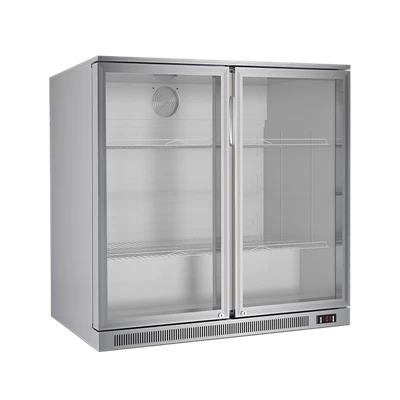
First, let’s get one thing straight: a reach-in isn’t that big, industrial blast fridge you see in restaurant back kitchens. It’s the under-counter or stand-up unit you can access easily without crawling or bending all the way down, designed for quick, daily access to ingredients baristas and prep staff need on a minute-by-minute basis. That accessibility is everything for a cafe’s rhythm, because if your staff has to run to a walk-in fridge 20 feet away every time they need oat milk or a pre-portioned pastry, orders back up fast.
Let’s start with the most obvious use: beverage bases. Sure, milk (dairy and plant-based) is a given—you can’t pull a latte or a flat white without cold, fresh milk, and a reach-in keeps that at the perfect 34-38°F to slow bacterial growth, so it doesn’t sour mid-shift. But cafes these days don’t stop at milk. They stock pre-brewed cold brew coffee, iced matcha concentrate, homemade lemonade, and even infused water for menu items like cold brew with a vanilla cold foam. A lot of new owners try to store these in regular home fridges, but home fridges aren’t built for constant opening and closing—their temperature fluctuates way more than a commercial reach-in, so your cold brew might get warm or get cross-contaminated with leftovers from someone’s lunch. I’ve had so many customers tell me their home-stocked cold brew went bad in two days, but after switching to a commercial reach-in, it lasts a full 5 days, no off-flavors.
Then there’s prep-made ingredients, which is where cafes really lean into reach-ins. Most shops don’t make every menu item from scratch every morning (especially during peak hours, when every second counts). They pre-make things like pesto for pasta bowls, hummus for avocado toast fillings, sliced roasted veggies for grain bowls, and even cookie dough for the occasional pastry special. A reach-in keeps these moist and at the right temperature, so when a customer orders a caprese toast at 12:15, a barista doesn’t have to pull a tomato from the walk-in, slice it, and mix it with fresh mozzarella—they grab a pre-portioned container from the reach-in, spread it on the bread, and it’s done in 30 seconds. The key here is that reach-ins are designed with adjustable shelves, so you can organize these containers by how often they’re used: the most popular items (like hummus) go at eye level, so staff don’t have to dig around for them.
Pastries and grab-and-go items are another huge use. I can’t tell you how many times I’ve walked into a cafe and seen the croissants, muffins, and sandwich wraps stored on the shelves of a regular reach-in, not out in the front display case. Why? Because the front display is usually warmer (it has lights, after all) and meant to look pretty, but the actual food stays fresh longer in a reach-in until it’s time to put it out. Also, a lot of cafes make their own sandwiches—turkey and avocado wraps, egg salad sandwiches—and those need to stay cold to keep the fillings safe for consumption. If you leave a sandwich out on the counter at 70°F, bacteria starts growing within an hour. A reach-in keeps those sandwiches at the required 40°F or below, so they’re safe to serve for up to 3 days. I once had a customer who was using a regular home fridge for their grab-and-go sandwiches, and they ended up throwing away $800 worth of spoiled food in a week after a health inspection flagged it. Swapping to a commercial reach-in fixed that right away.
Wait, there’s also the stuff that’s not food, but still super important for the cafe. A lot of people don’t realize reach-ins are used to store cleaning supplies, extra lids and straws? No, wait—no, the good ones are food-safe. Wait, no, actually, some cafes use a small, dedicated reach-in for their barista tools? No, no, let’s get that right. Oh, right: specialty items like syrups. Not the bulk simple syrup, but the flavored syrups that get used in lattes—vanilla, caramel, hazelnut, the fancy ones that don’t have preservatives. Those need to stay cold to keep their flavor, and if you store them on a warm shelf behind the espresso machine, they can get a weird, off taste after a few days. A reach-in keeps those syrups fresh, so your vanilla latte tastes consistent every time, not like a watered-down, syrupy mess.
Another big one for specialty cafes: fermented items. A lot of modern cafes are adding things like kombucha on tap, or making their own yogurt for parfaits, or even sourdough starter? Wait, no, sourdough starter is usually room temp, but maybe the finished yogurt. Yeah, fermented items need consistent cool temperatures to keep the probiotics alive, which is why they’re almost always stored in reach-ins. I worked with a small farm-to-cafe shop last year that was selling homemade kefir, and they tried storing it in their walk-in, but every time they opened the walk-in door, the temp would drop too much, killing the probiotics. After installing a dedicated reach-in just for fermented items, their kefir sales went up 20% because customers noticed the difference in taste—tangy, fresh, just how it should be.
Now, let’s talk about why reach-ins are better than other options for cafes, specifically. Walk-in fridges are great for bulk storage, but you can’t run in and grab a single bottle of oat milk in 2 seconds—you have to step inside, shut the door, adjust to the temp, which is a hassle during a rush. Under-counter fridges (home ones) are too small, and their temperature control isn’t precise enough. Even the small mini-fridges people keep in their cafes for personal use are not commercial grade—they don’t have the air circulation needed to keep multiple items fresh, and they can get smelly from mixing food and, well, whatever people put in mini-fridges.
I’ve also learned a lot about how cafe owners use reach-ins in clever, unplanned ways. For example, a lot of cafes will use the bottom shelf of their reach-in to store tray ice? No, that’s not right. Wait, no, some use a small, under-counter reach-in to store their espresso machine’s steam wands or cleaning brushes? No, no, let’s think—oh, right! During busy brunch rushes, some cafes will pre-charge their serving plates and mugs in the reach-in, so they’re nice and cold when they serve a cold brew or an iced latte. That’s a trick I picked up from a customer in Brooklyn, and it’s genius—customers notice when their iced drink is served in a cold glass instead of a room temp one, it tastes way better.
Another thing: cross-contamination. Cafes deal with a lot of dietary restrictions now—vegan, gluten-free, nut-free. Reach-ins are designed with separate compartments or dividers (depending on the model) so you can store nut-free ingredients on one side, gluten-free items on another, without them touching. That’s a big deal for health inspections, too—health inspectors love to see that food is stored properly, separated by type and dietary need. I had a customer who almost failed their inspection because they were storing almond milk next to oat milk in the same container, which is a cross-contamination risk for nut-free customers. Adding a reach-in with adjustable dividers fixed that, and they passed with no issues.
Wait, let’s make sure I’m not missing anything. What about seasonal items? A lot of cafes have seasonal menus, like pumpkin spice lattes in fall, mint hot chocolate in winter. They’ll make large batches of the flavored syrups or the pumpkin puree in advance, and store them in the reach-in until the season starts. That way, they don’t have to make small batches every week, which saves time and money. I’ve had customers who stock up on seasonal ingredients in their reach-ins, and they tell me it’s the difference between being able to handle a 1,000-customer weekend during fall festival season and being completely overwhelmed.
Now, let’s talk about common mistakes I see new cafe owners make when it comes to reach-ins. A lot of people buy the cheapest model they can find, but commercial reach-ins are built to last—they run 24/7, so a cheap one will break down in 2 years, which means you lose all the food inside during a rush. Another mistake: overpacking the reach-in. You have to leave space for air to circulate, otherwise the food doesn’t stay cold evenly. I once had a customer who stuffed their reach-in so full of pre-made sandwiches that the ones on the bottom shelf were only staying at 45°F, which is just barely under the 40°F limit. They ended up having to throw away 10 sandwiches because of that, and after adjusting how they packed the fridge, all their food stayed at a consistent 36°F.
Oh, and don’t forget about cleaning. Reach-ins for cafes need to be cleaned regularly—every shift, basically. The good news is that most commercial reach-ins have stainless steel interiors, which are easy to wipe down and don’t absorb odors, unlike plastic fridges. That’s another big reason cafes choose reach-ins over home or mini-fridges—they’re designed for heavy use and easy maintenance, which is non-negotiable for a business that serves hundreds of people a day.
So, to wrap this up: a reach-in refrigerator isn’t just a cold box for cafes. It’s a tool that keeps operations running smoothly, keeps food safe, keeps menu items consistent, and even helps boost sales by keeping ingredients fresh and ready to go. Whether you’re a tiny specialty coffee shop or a larger cafe with a full food menu, the reach-in is one of the most important pieces of equipment you’ll invest in.
If you’re a cafe owner looking to upgrade your refrigeration, or you’re just starting out and need to figure out the right reach-in for your space, I’m here to help. We work with shops of all sizes, from mobile coffee carts to downtown cafes, so we can point you to the model that fits your needs, your space, and your budget. Don’t hesitate to reach out for more info or to chat through what you’re looking for.
Beverage Cooler References:
- National Restaurant Association. (2022). Commercial Refrigeration Guidelines for Food Service Establishments.
- Food and Drug Administration. (2021). Food Code: Temperature Control for Perishable Foods.
- Specialty Coffee Association. (2023). Equipment Recommendations for Cafe Prep and Service.
- Small Business Administration. (2022). Equipment Selection for New Food Service Businesses.
Zhejiang Xingbao Electrical Appliances Co., Ltd.
As one of the most professional reach-in refrigerator manufacturers and suppliers in China, we also support customized service. Welcome to wholesale bulk high quality reach-in refrigerator in stock here from our factory. If you have any enquiry about pricelist, please feel free to email us.
Address: No.10 Baisha Road, Lianhang Development Zone, Chang’an Town, Haining City, Jiaxing City, Zhejiang Province, China
E-mail: zjxingbao@gmail.com
WebSite: https://www.sunborncn.com/
