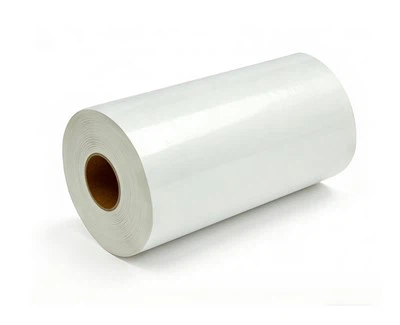
In the packaging industry, Polyvinylidene Chloride (PVDC) plain film stands out for its excellent barrier properties against oxygen, moisture, and odors. As a reliable PVDC plain film supplier, I understand the importance of tear resistance in ensuring the film’s performance and durability. Tear resistance is a critical factor that determines how well the film can withstand the stresses and strains during handling, packaging, and transportation. In this blog, I will share some effective methods to measure the tear resistance of PVDC plain film. Polyvinylidene Chloride Plain Film
Understanding Tear Resistance
Tear resistance refers to the ability of a material to resist the propagation of a tear once it has been initiated. In the case of PVDC plain film, a high tear resistance means that the film is less likely to tear during normal use, providing better protection for the packaged products. There are several factors that can affect the tear resistance of PVDC plain film, including the film’s thickness, molecular structure, and processing conditions.
Methods for Measuring Tear Resistance
Elmendorf Tear Test
The Elmendorf tear test is one of the most commonly used methods for measuring the tear resistance of flexible materials, including PVDC plain film. This test measures the force required to propagate a tear through a specified length of the film specimen.
Test Procedure:
- Sample Preparation: Cut the PVDC plain film into rectangular specimens with a specific size, usually 63 mm in length and 76 mm in width. Make a small slit at one end of the specimen to initiate the tear.
- Test Setup: Place the specimen in the Elmendorf tear tester, with the slit aligned with the cutting edge of the pendulum. The tester is designed to hold the specimen firmly and allow the pendulum to swing freely.
- Testing: Release the pendulum, which will swing down and tear the specimen through the specified length. The force required to tear the specimen is measured by the pendulum’s energy loss, and the result is usually expressed in grams or millinewtons.
Advantages and Disadvantages:
- Advantages: The Elmendorf tear test is relatively simple, fast, and widely recognized in the industry. It provides a quick and easy way to compare the tear resistance of different PVDC plain film samples.
- Disadvantages: The Elmendorf tear test measures the tear propagation resistance rather than the tear initiation resistance. It also assumes that the tear propagates in a straight line, which may not always be the case in real – world applications.
trouser Tear Test
The trouser tear test is another method for measuring the tear resistance of PVDC plain film. This test measures the force required to peel two halves of a pre – cut specimen apart, simulating the tearing process in a more realistic way.
Test Procedure:
- Sample Preparation: Cut the PVDC plain film into rectangular specimens with a length of at least 100 mm and a width of 25 mm. Make a slit down the center of the specimen, dividing it into two "trousers" legs.
- Test Setup: Clamp the two legs of the specimen in the jaws of a tensile testing machine, with the slit at the bottom. The jaws should be aligned vertically, and the specimen should be held firmly to prevent slippage.
- Testing: Start the tensile testing machine, which will pull the two legs of the specimen apart at a constant speed. The force required to propagate the tear is measured by the load cell of the tensile testing machine, and the result is usually expressed in Newtons per millimeter of specimen width.
Advantages and Disadvantages:
- Advantages: The trouser tear test provides a more realistic measure of the tear resistance, as it simulates the tearing process that occurs in actual use. It can also measure the tear initiation and propagation resistance more accurately.
- Disadvantages: The test is more time – consuming and requires more complex equipment compared to the Elmendorf tear test. It also requires more careful sample preparation to ensure accurate results.
Graves Tear Test
The Graves tear test is a method specifically designed for measuring the tear resistance of thin films such as PVDC plain film. This test measures the force required to initiate a tear in a circular specimen of the film.
Test Procedure:
- Sample Preparation: Cut circular specimens of the PVDC plain film with a diameter of 76 mm. Place the specimen between two metal plates with a circular hole in the center, and clamp the plates together.
- Test Setup: Attach a sharp blade to a tensile testing machine, and position the blade above the center of the circular specimen. The blade should be perpendicular to the surface of the specimen.
- Testing: Lower the blade onto the specimen at a constant speed until a tear is initiated. The force required to initiate the tear is measured by the load cell of the tensile testing machine, and the result is usually expressed in Newtons.
Advantages and Disadvantages:
- Advantages: The Graves tear test is a sensitive method for measuring the tear initiation resistance of thin films. It can provide valuable information about the film’s ability to resist the initial formation of a tear.
- Disadvantages: The test is relatively complex and requires specialized equipment. It may also be affected by the sharpness of the blade and the clamping force of the plates.
Factors Affecting Tear Resistance Measurement
Several factors can affect the accuracy and reliability of tear resistance measurements. These factors include:
- Sample Size and Shape: The size and shape of the test specimen can have a significant impact on the tear resistance measurement. It is important to use specimens that are cut accurately and conform to the standard requirements of the test method.
- Testing Speed: The speed at which the tear is propagated can affect the measured tear resistance. Generally, a higher testing speed will result in a higher measured tear resistance, as the material has less time to deform and dissipate the energy.
- Environmental Conditions: The temperature and humidity can also affect the tear resistance of PVDC plain film. It is recommended to conduct the tear resistance tests under controlled environmental conditions to ensure consistent results.
Importance of Tear Resistance in PVDC Plain Film Applications
The tear resistance of PVDC plain film is crucial in various applications, such as food packaging, pharmaceutical packaging, and industrial packaging.
- Food Packaging: In food packaging, a high tear – resistant PVDC plain film can prevent the entry of oxygen, moisture, and contaminants, thereby extending the shelf life of the food products. It also ensures that the packaging remains intact during handling and transportation, reducing the risk of product spoilage.
- Pharmaceutical Packaging: In pharmaceutical packaging, tear – resistant PVDC plain film is essential for protecting the drugs from moisture, light, and oxygen. It helps to maintain the stability and efficacy of the pharmaceutical products, and also provides a barrier against external contaminants.
- Industrial Packaging: In industrial packaging, PVDC plain film with good tear resistance can protect the products from damage during storage and transportation. It can withstand the rough handling and mechanical stresses associated with industrial applications, ensuring the integrity of the packaged goods.
Conclusion

As a PVDC plain film supplier, I am committed to providing high – quality products with excellent tear resistance. By understanding the different methods for measuring tear resistance and the factors that affect it, we can ensure that our products meet the specific requirements of our customers. Whether you need PVDC plain film for food packaging, pharmaceutical packaging, or industrial applications, we can offer you the best solutions.
Polyvinylidene Chloride Plain Film If you are interested in purchasing PVDC plain film or have any questions about tear resistance measurement, please feel free to contact us. We look forward to discussing your needs and providing you with the most suitable products and services.
References
- ASTM D1922 – Standard Test Method for Propagation Tear Resistance of Plastic Film and Thin Sheeting by Pendulum Method (Elmendorf).
- ASTM D2261 – Standard Test Method for Tear Resistance of Fabrics (Trouser Tear Method).
- ISO 6383 – 1:1983 – Plastics – Film and sheeting – Determination of tear resistance – Part 1: Trouser tear method.
- ISO 6383 – 2:1983 – Plastics – Film and sheeting – Determination of tear resistance – Part 2: Elmendorf method.
Sinosealed Packaging Solutions Limited
With a professional production team, we are one of the most experienced polyvinylidene chloride plain film manufacturers and suppliers in China. Please rest assured to buy high quality polyvinylidene chloride plain film for sale here from our factory. For price consultation, contact us.
Address: Luohe City, Henan Province, China
E-mail: contact@barrierpackage.com
WebSite: https://www.barrierpackage.com/
