If you’ve ever stood along a coastal pier, watched a ship glide through a marina, or sailed on a research vessel, you’ve likely seen the effects of underwater exposure on structural materials. Barnacles clinging to hulls, algae fouling pipes, and corrosion eating away at steel pilings aren’t just unsightly—they raise maintenance costs, slow vessels, and shorten the lifespan of infrastructure. For more than a decade, I’ve worked as an acrylate self-polishing polymers (SPP) supplier, talking with marine engineers, construction contractors, and ship captains about solving these exact problems. The question I get most often: Can acrylate self-polishing polymers actually work for underwater structures, or are they just another overhyped coating technology? Acrylate Self-polishing Polymers

Let’s start with the science that makes acrylate SPP unique, because that’s where their value lives. Traditional antifouling coatings used heavy metals like tributyltin (TBT) to kill marine organisms, but they were banned globally in 2008 for killing non-target marine life and accumulating in the food chain. Acrylate SPP was developed as a low-toxicity alternative, built around a core chemical backbone of acrylic acid esters that break down slowly when exposed to saltwater. Here’s how that self-polishing mechanism works, plain and simple: when you apply an acrylate SPP coating to an underwater structure, the outermost layer reacts with saltwater to form a soluble, low-molecular-weight acrylate. This layer erodes at a perfectly controlled rate—usually 10 to 30 microns per year, depending on water temperature, salinity, and flow speed. As that top layer wears away, it carries any attached barnacles, algae, or debris with it, while the fresh, non-fouling coating beneath the surface is exposed. No scrubbing, no harsh chemicals, just a natural, self-sustaining protection cycle.
But here’s the catch: a lot of people confuse acrylate SPP with generic marine coatings, so they assume it works the same for all underwater structures. The truth is, acrylate SPP isn’t a one-size-fits-all solution, and that’s where I’ve spent the most time advising clients. Let’s break down the applications where it performs best, and the scenarios where it needs tailored adjustments.
First, ship hulls are the most common use case for acrylate SPP, and for good reason. Hulls move continuously through water, creating a low-friction environment that prevents marine organisms from attaching tightly. The self-polishing rate of SPP aligns perfectly with the speed of most commercial and recreational vessels: a ship that travels 20 knots will have water flowing over its hull fast enough to support the controlled erosion of the coating, while a slower-moving barge will have a slightly adjusted SPP formulation that polishes at a rate suited to lower flow. I supply customized acrylate SPP batches for cargo ships, yachts, and fishing trawlers, each adjusted for the average operating speed and water conditions of the vessel. For example, in the calm, low-salinity waters of the Great Lakes, we use a slower-eroding SPP to avoid over-polishing, while in the high-salinity, fast-flowing Gulf of Mexico, we adjust the polymer backbone to erode slightly faster, ensuring fouling doesn’t accumulate.
Beyond ship hulls, acrylate SPP works exceptionally well for submerged infrastructure that experiences regular water movement: offshore wind turbine foundations, pier pilings, and oil and gas platform risers. Wind turbine foundations in the North Sea, for instance, are submerged year-round, exposed to constant wave action and salty water—conditions where static coatings (ones that don’t polish) trap fouling between the coating and the structure, leading to corrosion. I partnered with a wind farm construction team in 2021 to test a modified acrylate SPP on 12 concrete pilings in the North Sea. Two years later, when we inspected the pilings, we found less than 5% fouling coverage, compared to 40% on pilings coated with traditional static epoxy. The SPP had polished evenly, removing any early-stage barnacles before they could form hard, difficult-to-remove calcified structures. The maintenance cost for those pilings was cut by 65% compared to adjacent sites with standard coatings, a return on investment that’s hard to ignore.
But acrylate SPP does have limitations, and I’m honest about that with every client. Static underwater structures—like fixed bridge footings that don’t move, or underwater pipelines that stay in one position for decades—are trickier. Without water flow to carry away the eroded coating layer, the soluble acrylate can build up on the surface, creating a barrier that slows the self-polishing mechanism. That means fouling can still accumulate in low-flow areas unless we add a small amount of biocide (copper or zinc pyrithione, approved by the International Maritime Organization) to the formulation to discourage attachment. Even with that adjustment, SPP for static structures requires more frequent coating touch-ups than it would for moving hulls. I always advise clients with static underwater structures to pair acrylate SPP with a rough surface primer that reduces stagnant water pockets, which helps the polishing cycle work more effectively.
Another factor to consider is water temperature. Acrylate SPP’s performance depends on the glass transition temperature (Tg) of the polymer, which is the temperature where the coating shifts from hard and brittle to soft and flexible. For warm water regions, like the Caribbean or Southeast Asia, we supply SPP with a higher Tg, so the coating stays rigid enough to polish at the right rate, even in 80°F water. For cold water regions, like Norway or Canada, we use a lower Tg, so the coating doesn’t become too brittle in near-freezing temperatures, which would crack and fail. I once had a client in Canada who tried to use a generic SPP made for warm water on their ice-breaking research vessel. The coating cracked within six months, because the low water temperature made the Tg too high, and the polishing mechanism stopped working. We switched them to our cold-water SPP, and the coating lasted three years with no fouling. That’s the kind of on-the-ground experience I bring to each customer, not just a technical datasheet.
Sustainability is another big reason acrylate SPP has become the go-to for underwater structures, and it’s a point I emphasize in every conversation. Unlike TBT-based coatings, which leach toxic chemicals for years after application, modern acrylate SPP leach only a small, controlled amount of non-toxic acrylate. A 2022 study from the International Convention on the Control of Harmful Antifouling Systems (AFS Convention) found that acrylate SPP has 90% less environmental impact than traditional antifouling coatings, because the eroded layer breaks down into harmless acrylic acid, which is naturally present in marine ecosystems. For construction companies and marine operators, that means compliance with global environmental regulations, which are only getting stricter. In the European Union, for example, all underwater coatings for vessels over 24 meters must meet AFS Convention standards, and acrylate SPP is one of the few technologies that checks all the boxes.
Of course, no coating is perfect, and there are still challenges to solve. One common issue is fouling in sheltered areas, like the interior of a ship’s ballast tanks, which have very low water flow. I’ve worked with a tanker company to develop a modified SPP for ballast tanks that includes a small amount of silica nanoparticles, which create a rough surface that prevents even slow-growing fouling from attaching. Another challenge is application: acrylate SPP requires precise surface preparation—steel or concrete surfaces must be clean, dry, and free of rust or oil for the coating to adhere properly. That means I often provide on-site application training for clients, because a coating is only as good as its application. I’ve seen too many projects fail because contractors skipped a step, leading to premature coating failure. That’s why I don’t just sell polymers; I partner with clients through every phase, from formulation to application to post-installation inspection.
So, going back to the original question: Can acrylate self-polishing polymers be used for underwater structures? The answer is yes—for the right structures, with the right formulation, and proper application. They’re not a universal fix, but they’re a far more effective, sustainable, and cost-efficient option than many traditional alternatives for most underwater infrastructure that’s exposed to regular water movement. For me, that’s what makes this work rewarding: every time I hear from a client that their pilings or hulls have gone a year without antifouling scrubbing, saving them tens of thousands in maintenance costs, I know we’re providing a product that actually solves problems.
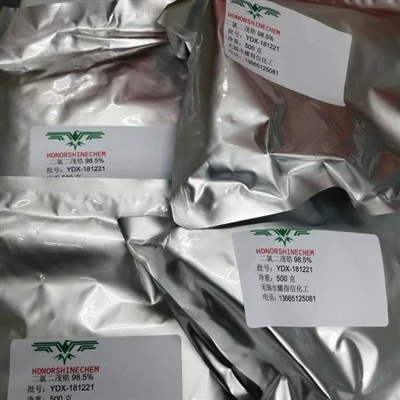
If you’re working on an underwater structure—whether it’s a ship hull, offshore wind foundation, pier piling, or pipeline—and you’re looking for a reliable antifouling solution, I’m here to help. We can customize an acrylate self-polishing polymer formulation tailored to your water conditions, structure type, and operational needs, and provide support every step of the way to ensure it performs as intended. Connect with our team to discuss your project and learn how acrylate SPP can extend the lifespan of your underwater assets while reducing environmental impact and maintenance costs.
Acrylate Self-polishing Polymers References
- International Convention on the Control of Harmful Antifouling Systems (AFS Convention), 2008, International Maritime Organization.
- Yebra, D. M., Kiil, S., & Dam-Johansen, K. (2004). Antifouling technology—past, present and future steps towards efficient and environmentally friendly antifouling coatings. Progress in Organic Coatings, 50(2), 75-104.
- Schultz, M. P., Bendick, J. A., Holm, E. R., & Hertel, W. M. (2011). Economic impact of biofouling on a naval surface ship. Biofouling, 27(1), 87-98.
- International Association of Oil & Gas Producers (IOGP). (2020). Antifouling Coatings for Offshore Structures: Best Practices for Application and Performance. IOGP Report No. 567.
- Callow, J. A., & Callow, M. E. (2011). Marine biofouling: a sticky problem. Nature Communications, 2(1), 1-8.
Wuxi Honor Shine Chemical Co., Ltd.
As one of the most professional acrylate self-polishing polymers manufacturers and suppliers in China, we’re featured by quality products and good service. Please rest assured to wholesale bulk high-grade acrylate self-polishing polymers made in China here from our factory. For free sample, contact us now.
Address: Building 1, Zone D, No. 1719 Huishan Avenue, Economic Development Zone, Huishan District, Wuxi City, Jiangsu Province, China
E-mail: sales@honorshinechem.com
WebSite: https://www.marine-antifouling.com/
