If you’ve ever stood in a food and beverage, pharmaceutical, or chemical production facility, you’ve likely seen filling machines humming along, moving containers from empty crates to sealed, ready-to-ship packages. As a filling machine supplier, I’ve spent the last 18 years talking to plant managers, production engineers, and maintenance teams who ask the same question over and over: “What’s the maximum filling pressure my machine can safely handle?” The answer isn’t a one-size-fits-all number—far from it. It depends on the products you’re running, the containers you’re filling, and the machine design itself, and getting it wrong can cost you thousands in wasted product, damaged equipment, or even downtime that derails customer orders. Today, I want to break down what maximum filling pressure really means, how we as suppliers determine it for our machines, and what you need to know to set and operate within those limits. Filling Machine
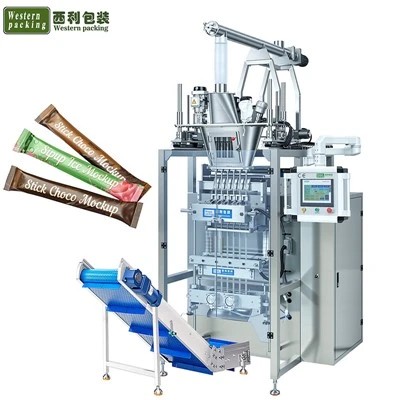
First, let’s define what filling pressure actually is in the context of a filler, because it’s not the same as the hydraulic pressure you might think of for heavy machinery. For most common fillers—gravity fillers, pressure fillers, piston fillers, and even vacuum fillers—filling pressure refers to the force exerted on the product as it flows from the machine’s discharge nozzle into your container. For pressure fillers, which are the most common for carbonated beverages, sauces, or viscous products that resist gravity flow, this pressure is applied intentionally to push product through the nozzle at a consistent rate. For gravity fillers, pressure is less of a driven force, but back pressure in the supply line or from the container itself can still create a measurable pressure reading that impacts filling speed and accuracy.
The maximum filling pressure of a machine is the highest safe, sustainable pressure that the machine’s components (nozzles, seals, piston chambers, supply lines, and valves) can withstand without failing, while still maintaining fill accuracy and product integrity. It’s not a arbitrary number we pull out of thin air when designing a machine. When we engineer our fillers, we test each component to its pressure threshold during R&D, then set the maximum allowable pressure 15-20% below that threshold as a safety buffer. For example, if a test shows a stainless steel piston chamber can hold 150 PSI without warping or leaking, our operating manual will list the maximum filling pressure as 125 PSI—room for fluctuations in line pressure, temperature changes (which can increase product pressure as it warms up), and minor variations in container alignment during runs.
Now, why does this maximum pressure matter more than you might think? Let’s take a real example from a conversation I had last month with a craft brewery owner in Ohio. He’d purchased a used pressure filler from a competitor, and was pushing it to 140 PSI to speed up his canning line, which was running 500 cans per minute. Within three months, he started noticing leaks around the valve seals, and half his cans had inconsistent fill levels. When we inspected his machine, we found that the seals were rated for a maximum of 110 PSI—far below the pressure he was running. The high pressure also caused the carbonation in his beer to escape too quickly, leading to foam overflow during filling, wasted product, and even damaged can lids. We replaced the seals, recalibrated his machine to run at 105 PSI, and he’s now hitting his target speed without the downtime he was dealing with. That’s the kind of mistake that comes from misunderstanding maximum filling pressure, and it’s avoidable with the right information from a reliable supplier.
So, what factors actually determine a machine’s maximum filling pressure? Let’s walk through the key ones, because every product and setup will shift this number. The first and biggest is product viscosity and properties. Thin, water-like products (like juices, cleaning solutions, or perfume alcohol) can handle much higher pressures than thick, viscous products (like honey, jam, or petroleum jelly). A thin product can flow quickly through a nozzle at high pressure without creating excess friction or back pressure, while a viscous product will create drag as it moves, which means the machine has to work harder, and the pressure can spike unexpectedly in the piston chamber. For example, our standard piston filler for thin liquids has a maximum filling pressure of 100 PSI, while our filler designed for high-viscosity sauces tops out at 60 PSI—any higher, and the product won’t flow evenly, leading to underfilled containers or jams in the nozzle.
Next is container type and material. Plastic bottles (PET, HDPE) can flex and deform under pressure, so their maximum internal pressure (and thus the filling pressure we can apply) is lower than rigid glass bottles. A PET soda bottle, for example, can only hold around 90 PSI before it bulges or collapses, so a pressure filler for soda will have a maximum filling pressure of 80 PSI to account for that. Glass bottles, on the other hand, can handle up to 120 PSI without deformation, so they can run at higher pressures to speed up filling. If you ignore the container’s pressure limit, you’ll end up with misshapen bottles, leaks, or even broken glass in your production line—something no plant manager wants to deal with.
Machine design and component quality are another huge factor, and this is where not all suppliers are equal. When we build our fillers, we use 316 stainless steel for all wetted parts (nozzles, valves, chambers) which is corrosion-resistant and has a high pressure rating, and we use industrial-grade seals and O-rings that are rated for repeated pressure cycles. Cheaper fillers from overseas, by contrast, might use lower-grade steel that warps at higher pressures, or seals made of generic rubber that degrade quickly under pressure, even if they list a high maximum filling pressure in their specs. Last year, a customer brought in a cheap filler he’d bought online, asking us to help him fix a recurring leak that was ruining his lube oil product. We tested its components and found that its actual maximum safe pressure was 40 PSI—even though the seller had listed it as 80 PSI. He’d been running it at 50 PSI for months, leading to seal failure and leaks. That’s the risk of choosing a supplier that doesn’t do real-world pressure testing on their machines.
Also, fill accuracy requirements play a role. If you need to fill containers to within 0.5% of their target volume, you can’t run at maximum pressure—pressure fluctuations will cause slight variations in fill levels. Our engineering team will adjust the maximum filling pressure recommendation based on the accuracy a customer needs. For example, a pharmaceutical manufacturer filling injectable drugs needs fill accuracy within 0.2%, so we recommend running at 80% of the machine’s maximum pressure to keep fluctuations low, while a beverage manufacturer that only needs 1% accuracy can run at up to 95% of maximum pressure to hit higher speeds.
Now, let’s talk about how to find the right maximum filling pressure for your specific setup, not just the machine’s rated maximum. First, check your machine’s operation manual—reputable suppliers will list the maximum safe filling pressure for standard applications, along with warnings about adjusting it for non-standard products or containers. If you have a custom product or container, work with your supplier to run a pressure test on your setup. Most suppliers (ourselves included) offer on-site testing or lab testing to determine the exact maximum pressure your specific application can handle, without damaging the machine or product. This is worth the small cost—we had a cosmetic manufacturer come to us last year, worried that their new thick foundation product wouldn’t fill fast enough. We ran a test in our lab, found that the product and their custom plastic tubes could handle a maximum pressure of 55 PSI, and adjusted their machine accordingly, letting them run at 10% higher speed than they had been with their old filler, without any issues.
Also, pay attention to pressure fluctuations during operation. Temperature changes in the product line—if a product is warmer, it’s less viscous, so pressure can spike. Line speed changes—if you run your line faster, you’ll need higher pressure to get product into containers quickly. And worn components—over time, seals degrade, valves get worn, which can lower the machine’s actual maximum pressure, even if it was fine when it was new. We always recommend doing monthly pressure checks during routine maintenance, using a calibrated pressure gauge on the filler’s supply line. If you notice pressure spiking higher than normal, or leaks developing, it’s a sign that you need to adjust your operating pressure, replace worn parts, or even upgrade your machine if it’s not rated for your current needs.
Let’s wrap this up with what I’ve learned in 18 years in this business: maximum filling pressure isn’t a number to chase for the sake of speed. It’s a limit to protect your product, your equipment, and your bottom line. Too many customers come to us after pushing their filler past its safe limit, dealing with downtime, wasted product, and repair costs that would have been avoided if they’d understood how maximum filling pressure works. As a filling machine supplier, our job isn’t just to sell you a machine—it’s to help you operate it efficiently and safely, which means giving you clear, honest information about pressure limits, not just flashy specs that look good on paper.
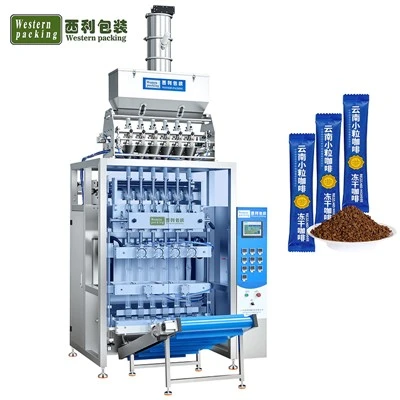
If you’re dealing with inconsistent fills, frequent leaks, or downtime because your filler can’t keep up with your production goals, we can help you figure out the right pressure settings for your application, or recommend a machine that’s engineered to meet your specific needs. We’ve worked with hundreds of customers across food and beverage, pharmaceuticals, cosmetics, and industrial chemicals, so we know how to balance speed, accuracy, and safety for every product and container type. Don’t let guesswork or generic specs derail your production—reach out to our team to discuss your filling needs, and we’ll help you find the right solution for your business.
Filling Machine References
- Fillers: Selection, Operation, and Maintenance. National Food Processors Association, 2019.
- Pressure Filling Technology for Pharmaceutical and Biotech Products. International Society for Pharmaceutical Engineering, 2021.
- Viscosity and Pressure Relationships in Liquid Processing Equipment. Journal of Industrial Processing Engineering, Vol. 17, No. 2, 2020.
- Material Compatibility and Pressure Limits for Filling Machine Components. American Society of Mechanical Engineers, 2018.
Guangzhou Western Packing Co., Limited
Guangzhou Western Packing Co., Limited is one of the most professional filling machine manufacturers and suppliers in China, also supports custom service. With abundant experience, we warmly welcome you to wholesale durable filling machine at competitive price from our factory.
Address: No.3, Yilong street, Wulonggang, Zhongluotan Twon, Baiyun District, Guangzhou
E-mail: david@westernpacking.com
WebSite: https://www.westernpackingusa.com/
