If you’ve ever stood beside a manual surface grinder during a long run, watching a machinist guide a steel workpiece slowly across the abrasive wheel, you’ve probably noticed a steady stream of liquid arcing between the two. You might have glanced at it, assumed it was just water to keep things from overheating, and moved on. But as a manual surface grinder supplier who’s worked alongside machinists for nearly 15 years, I can tell you that coolant is far more than a afterthought—it’s the unsung hero of every precise, high-quality surface grind job. For anyone who’s ever struggled with warped parts, burnt edges, or dull grinding wheels mid-job, understanding coolant’s role isn’t just a technical detail; it’s the difference between a job that wraps up on schedule and one that drags on (or gets scrapped entirely). Manual Surface Grinder

Let’s start with the most obvious function: thermal control. Manual surface grinders rely on rigid, heavy construction to produce tight tolerances, often as low as a few thousandths of an inch. When a grinding wheel spins at 1,500 to 3,000 RPM, its abrasive grains bite into the workpiece, creating tiny chips of material and enormous amounts of friction. That friction generates heat—lots of it. Without coolant, temperatures at the contact point between wheel and workpiece can spike to 1,000°C or higher, hot enough to alter the molecular structure of most metals, softening them near the surface or even causing localized melting. For a machinist working on a tool steel die or a precision bearing component, that kind of heat damage is catastrophic. A warped die won’t fit into the assembly it’s made for; a bearing race with a burnt surface will wear out in months instead of years. Coolant acts as a heat sink, absorbing that friction-generated heat and carrying it away from the grind zone before it can reach the workpiece. I’ve seen shops cut their part rejection rate by 40% simply by switching from a straight water spray to a semi-synthetic coolant tailored for their workpieces—no new grinder, no extra labor, just a smarter use of a tool they already had.
But coolant’s role doesn’t stop at temperature. It’s also a critical chip management tool. When grinding, the abrasive wheel doesn’t just smooth the workpiece; it shears tiny metal or ceramic chips off the surface. These chips, called swarf, are sharp, gritty, and if they get trapped between the grinding wheel and the workpiece, they act like a second set of abrasive grains—scratching the finished surface, causing uneven wear on the wheel, and even leading to chatter marks. Coolant acts as a flushing agent, flowing under pressure to carry swarf away from the contact zone and into the grinder’s filtration system. For manual grinders, which are operated by a human guiding the table feed at a consistent pace, this constant flushing is especially important. If a machinist has to pause mid-grind to clear swarf clogging the wheel, it slows down the job, introduces human error, and can lead to inconsistent finishes. I remember a small job shop that was fighting long cycle times on their manual surface grinders; after we helped them adjust their coolant flow rate and nozzle angle, they cut their average job time by 15% because they rarely had to stop to clean swarf buildup. That’s not just convenience—that’s direct impact on their bottom line.
Another often-overlooked benefit is wheel longevity. A grinding wheel is a significant investment, and its performance depends on its abrasive grains staying sharp and bonded correctly to the wheel matrix. Excess heat from friction doesn’t just damage workpieces—it also wears out the wheel prematurely. When temperatures spike, the bond holding the abrasive grains together breaks down too quickly, leading to grains falling off before they’ve fully worn and used their cutting capacity. Coolant slows that bond degradation, keeping grains in place longer so they can do their work. It also prevents glazing—when the surface of the wheel becomes smooth and polished instead of sharp and abrasive. Glazing happens when heat softens the bond, causing the abrasive grains to wear down evenly into a smooth surface that can’t cut effectively. Coolant reduces glazing by keeping the wheel cool, so grains only break off when they’re too dull to cut, extending wheel life by up to 30% in many cases. For a shop that runs 10+ manual surface grinders, that adds up to thousands of dollars in wheel savings every year.
Wait a second—this isn’t just theory, right? I’ve seen shops that run without coolant, and I’ve seen shops that use it poorly, and the difference is night and day. I once visited a farm equipment repair shop that was grinding brake pads for heavy trucks; they’d been running their manual surface grinder dry for years because they “didn’t want to mess up the parts with liquid.” Their brake pads kept coming out with rough, burned surfaces, and they had to replace the grinding wheel every two weeks. We suggested they add a simple coolant system, and within a month, their brake pads were smoother, they only replaced the wheel every six weeks, and their customers started leaving better reviews because the brakes wore evenly. That’s the real-world proof of coolant’s value—guys who’ve been grinding for 30 years didn’t want to change their routine, but once they saw the results, they were believers.
Of course, it’s not just pouring any liquid on the wheel. Choosing the right coolant matters, too. There are three main types for manual surface grinding: straight oils, semi-synthetics, and soluble oils. Straight oils are great for heavy, high-precision jobs like grinding tool steel or titanium, because they provide excellent lubrication and heat transfer, but they can be messy and require more maintenance. Soluble oils, which mix with water, are popular for general-purpose grinding because they’re affordable, easy to use, and provide good corrosion protection. Semi-synthetics are a middle ground, offering better heat and chip control than soluble oils without the mess of straight oils. As a supplier of manual surface grinders, I always take the time to ask customers what materials they’re grinding, what tolerances they need, and how often they run their machines before recommending a coolant. There’s no one-size-fits-all, but matching coolant to the job makes all the difference.
Corrosion protection is another key function that’s easy to overlook. Most workpieces are made of metals like steel, aluminum, or brass, which are prone to rust or tarnish when exposed to water and metal chips. Coolants are formulated with corrosion inhibitors that create a thin protective layer on the workpiece surface, preventing rust and discoloration between grinding jobs or while parts are stored. I once had a customer who was grinding aluminum valves for small engines; without the right coolant, their finished valves would develop a faint tarnish that required extra polishing steps. Adding a soluble oil with aluminum-specific corrosion inhibitors eliminated that step entirely, saving them labor time and avoiding unnecessary material handling. That’s a small detail that adds up over hundreds of parts per day.
Let’s circle back to the operator, because manual surface grinding is a hands-on craft, not just pushing a button. A good manual grinder operator adjusts the feed rate, checks the wheel trueness, and monitors the surface finish of the part as they go. Coolant makes their job easier by keeping the operating temperature consistent, so they don’t have to worry about sudden heat spikes mid-job throwing off their tolerances. When the grind zone is cool and free of swarf, the operator gets a clear view of the workpiece surface, so they can catch defects early and adjust their process before a whole batch of parts is ruined. I’ve had operators tell me that once they started using proper coolant, their confidence in the grinder went way up—they knew they could hold tight tolerances all day without having to rework parts. That’s the human side of this equation, too; a happy, confident operator produces better work.
If you’re running manual surface grinders, you might be wondering, “Is all this really necessary?” If you’re only grinding soft materials like wood or plastic, maybe not—but for any metalworking job that requires precision, speed, and consistent quality, coolant isn’t a luxury. It’s an essential component of the grinding process, just like the wheel or the table feed. I’ve seen shops cut their operating costs, reduce rejection rates, and take on more high-value jobs simply by getting their coolant strategy right.
At the end of the day, the role of coolant in a manual surface grinder is much more than just keeping things cool. It’s a multi-functional tool that controls heat, flushes away debris, extends wheel life, protects workpieces from corrosion, and makes the operator’s job easier. It’s easy to take it for granted, but for anyone who’s spent time working with these machines, it’s clear that without the right coolant, you’re not getting the most out of your manual surface grinder.
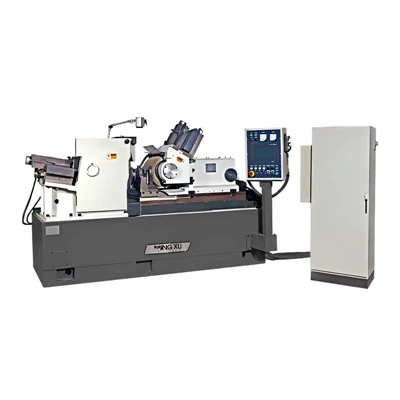
If you’re looking to optimize your manual surface grinding operations, or if you have questions about choosing the right grinder or coolant for your specific jobs, we’re here to help. Contact us today to discuss your needs and find the right solution for your workshop.
Precision Centerless Grinder References
- Todd, R. H., Allen, D. K., & Alting, L. (1994). Manufacturing Processes and Systems. Prentice Hall.
- DeGarmo, E. P., Black, J. T., & Kohser, R. A. (2003). Materials and Processes in Manufacturing. Wiley.
- Shaw, M. C. (1996). Metal Cutting Principles. Oxford University Press.
Wuxi Mingxu Machinery Equipment Co., Ltd.
As one of the most professional manual surface grinder manufacturers and suppliers in China, we’re featured by quality products and good price. Please rest assured to buy the best manual surface grinder for sale here from our factory. Also, custom service is available.
Address: No. 5-5 Jinke Wealth Plaza, Changjiang North Road, Xinwu District, Wuxi City, Jiangsu Province
E-mail: yingyingmxjd@163.com
WebSite: https://www.mingxu-china.com/
