What’s up everyone, if you’re in the construction game—whether you’re a site foreman, a fleet manager, or just someone who’s ever stared at a 10-story concrete pour and wondered how they got it all in the right spot—you know concrete pump trucks are the unsung heroes of the job. I’ve been selling these bad boys for [X] years now, and I can’t tell you how many times I’ve heard, “Oh, we only check that stuff when it breaks.” Newsflash: that mindset is like skipping your oil change until your engine seizes up—costly, avoidable, and straight-up reckless. Today, let’s talk about why regular inspections for concrete pump trucks aren’t just a “nice to have”—they’re the make-or-break for your projects, your wallet, and even your crew’s safety. Concrete Pump Truck

First off, let’s keep it real: concrete pumps aren’t cheap. A brand new unit can set you back six figures, and used ones? Even those are a major investment. I’ve had clients come to me begging for help after they skipped a basic inspection and their pump conked out mid-pour on a high-rise. Let me paint that picture for you: you’ve got 20 floors of waiting steel rebar, a concrete mix truck idling around $1,200 an hour sitting there, and no way to get that concrete up where it needs to go. You’re looking at downtime that could run $5,000 or more before you even fix the damn thing, plus penalties for missing your deadline and pissed-off developers. Now, if that same client had done a 30-minute pre-shift inspection, or a monthly deep dive, that breakdown would’ve never happened.
Wait, let’s break down what those inspections actually catch—because it’s not just “check the oil.” Let’s start with the hydraulic system, which is basically the heart of your pump truck. Those hoses? They’re under insane pressure—like, 3,000 to 5,000 PSI insane. I’ve seen a frayed hydraulic hose blow out mid-pour, sending concrete flying 50 feet in every direction. Not only did that job shut down for 8 hours cleaning up, but a piece of that wet concrete got on a worker’s safety gear and caused a minor injury. Regular inspections mean checking for those tiny cracks, bulges, or signs of wear on hoses, plus making sure the fluid levels are right and the filters aren’t clogged. Clogged filters make the pump work harder, which wears out parts faster and wastes fuel—another hit to your budget.
Then there’s the boom. That extendable arm that reaches 100+ feet? It’s not just metal and grease—It’s got pivot points, pins, and seals that take a beating every time you fold it up or stretch it out. A few months back, a customer of mine skipped checking the boom’s pivot pins, and one snapped during a pour on a bridge project. The boom crashed down, totaled the truck, and almost hit a worker. No serious injuries, but the insurance claim was $180k, and they lost the contract on the next big highway project. Inspections would’ve caught that pin’s wear long before it got to failure mode. We’re talking tightening bolts, lubricating joints, checking for bent or cracked sections—all stuff that takes an hour, tops, but prevents a disaster that could ruin you.
Don’t even get me started on the concrete delivery system. The hopper, the s-tube, the check valves—those parts are in direct contact with abrasive concrete mix. Over time, they wear down, and if you don’t catch it, you get inefficient pumping, inconsistent flow, or even blockages that force you to stop mid-pour. Blockages are a nightmare—you’ve got to tear apart the lines, chisel out hardened concrete, and that takes hours. I once had a client who tried to work through a tiny check valve wear, and a blockage made them dump $4,000 worth of concrete into a ditch because they couldn’t get it moving. A quick inspection of those valves and hopper liners every 500 hours of pumping would’ve caught that wear, and replacing a liner costs a few hundred bucks, not thousands.
Safety is another big one—this isn’t just about keeping your truck intact, it’s about keeping your crew alive. Concrete pump trucks have stabilizers that lower to the ground to keep the thing from tipping over. I’ve seen a truck tip because the stabilizer hydraulic line was leaky and didn’t extend fully, and the operator didn’t catch it because they skipped pre-use checks. Tipping a 30-ton truck? That’s not a fender bender— that’s a catastrophe. You could kill someone, crush equipment, and face OSHA fines that are in the tens of thousands. Also, those outrigger pads? They need to be free of cracks or warping, because if they sink into soft ground, that tipping risk skyrockets. Inspections cover all that, plus brake systems, lights, and even the fire suppression system (yes, pumps can overheat and catch fire— I’ve seen it).
Wait, let’s talk about long-term value too. If you take care of your pump truck, it’ll last longer and hold its resale value way better. I’ve got clients who do full inspections every month, keep a log, and when they’re ready to upgrade, their used trucks sell for 20-25% more than ones from guys who only fix things when they break. Buyers know a well-maintained pump—you can tell by the logs, the clean parts, no rust on critical areas. That extra money you get when you sell? That goes straight into your next machine, or back into your pocket. Also, if you’re renting out your pumps (a lot of our customers do that), renters will pay a premium for a reliable unit, and you’ll have way fewer service calls from pissed-off renters who got stuck on a job.
I know, I know—you’re busy. Sites are chaotic, deadlines are tight, and adding another thing to your to-do list feels impossible. But here’s the thing: a 30-minute pre-shift inspection takes less time than waiting for a concrete truck to show up late. A monthly deep inspection with a licensed tech takes a couple of hours, and it’s way cheaper than the downtime, repairs, or fines you’ll face when something breaks. We actually have a service team that can come out to your site or fleet yard to do these inspections, and we can even train your in-house crew to do the basic checks so you don’t have to pay for a tech every time.
Let’s be honest—no one plans for a breakdown. But planning to prevent a breakdown is smart. I’ve seen too many small construction companies go under because of one avoidable pump failure. You don’t have to take my word for it, but ask any experienced foreman or fleet manager I’ve worked with—they’ll tell you inspections aren’t a chore, they’re a lifesaver.
If you’ve got a pump truck that’s been running hard, or you’re in the market for a new or used unit and want to make sure you’re getting something that’s been properly maintained, hit us up. We don’t just sell pumps—we help you keep them running, because that’s what this industry is about: reliable gear, so you can get the job done right, on time, and without the headaches. Whether you need a pre-purchase inspection, a monthly maintenance plan, or a new pump that’s built to handle heavy-duty pours, we’re here to walk through it with you.
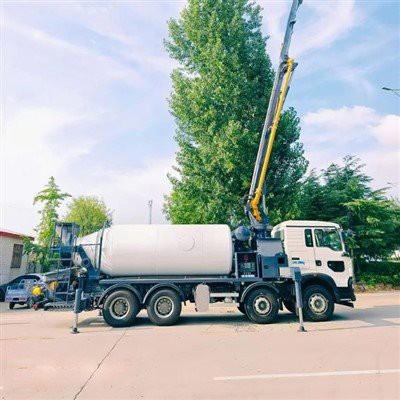
Don’t wait until your pump quits on you. Let’s chat, so you can keep your projects on track, your crew safe, and your wallet happy.
Concrete Mixer References:
- Occupational Safety and Health Administration (OSHA). (2022). Safety and Health Regulations for Construction: Concrete Pumping Operations. U.S. Department of Labor.
- American Concrete Pump Association (ACPA). (2023). Recommended Inspection and Maintenance Schedule for Concrete Pump Trucks. ACPA Technical Bulletin No. 17.
- Construction Equipment Association (CEA). (2021). Fleet Maintenance Best Practices for Concrete Pumping Machinery. CEA Report 21-09.
- National Ready Mixed Concrete Association (NRMCA). (2022). Preventive Maintenance Guidelines for Concrete Delivery and Pumping Equipment. NRMCA Industry Practice Note 123.
Shandong Fuxin Automobile Technology Co., Ltd.
We’re well-known as one of the leading concrete pump truck manufacturers and suppliers in China, featured by quality products and good price. Please rest assured to buy advanced concrete pump truck made in China here from our factory. Contact us for more details.
Address: West of Nanshou Road, Beihai Road, Weifang City, Shandong Province
E-mail: h17616861003@gmail.com
WebSite: https://www.fuxinautomobile.com/
