If you work in a diagnostic lab, power generation facility, or industrial testing space that relies on current transformer (CT) and potential transformer (PT) analyzers, you know how much rides on their accuracy. A miscalibrated CT PT analyzer can skew test results, lead to incorrect equipment maintenance, or even put safety protocols at risk. As a CT PT analyzer supplier who’s worked with hundreds of labs and facilities over the last 12 years, one question comes up more often than any other: How often should a CT PT analyzer be calibrated? CT PT Analyzer

There’s no one-size-fits-all answer here, and that’s intentional. Calibration frequency depends on a dozen factors specific to your operation. Let’s break down what those factors are, why they matter, and how you can set a schedule that keeps your equipment reliable without wasting time on unnecessary calibration.
First, let’s clarify what calibration actually means for CT PT analyzers. Unlike routine maintenance, which might involve cleaning probes or updating firmware, calibration is the process of comparing your analyzer’s measurements to a traceable, national standard. For example, if your analyzer measures a CT’s turns ratio, calibration will check that number against a standard that’s recognized by metrology bodies like the National Institute of Standards and Technology (NIST) in the U.S. or the International Organization for Standardization (ISO) 17025 guidelines. Over time, internal components—from voltage sensors to current transducers—drift slightly, even with regular use. Calibration corrects that drift to ensure your readings are accurate.
For most low-to-moderate use cases, a solid baseline calibration schedule is every 12 months. That’s what we recommend to labs that use their analyzer 5 to 10 hours a week—say, a small municipal power substation that tests a handful of transformers each month, or a diagnostic lab that works with CT PT equipment for routine equipment checks. Annual calibration ensures that any small drift that builds up over a year doesn’t impact your work. We’ve seen too many labs skip annual calibration and end up with incorrect readings that led to a transformer failure or a misdiagnosed industrial component issue. For example, a Midwest industrial lab we worked with three years ago stopped calibrating their analyzer for 18 months. By the time they noticed the drift, their test results were off by 2.7%—enough to lead them to replace two perfectly good PTs, costing them over $12,000 in unnecessary parts and downtime.
But not all operations fit that baseline. If your analyzer sees heavy use—say, a large utility company that tests 50+ CT PT devices a week, or a manufacturing facility that uses its analyzer on every piece of power equipment before it goes online—you’ll need to calibrate more often. Many of our heavy-use clients switch to a 6-month calibration schedule. Why? The more often you use your analyzer, the more wear and tear its sensors experience. Each test uses a small amount of voltage and current to simulate real-world conditions, and over time that adds up to faster drift. We also see higher vibration in utility and manufacturing settings than in small labs, and vibration is a common cause of internal component shift. For a client in Texas that operates 12 substations, we recommended 6-month calibration after they reported a few inconsistent readings during peak summer testing. They implemented the schedule, and their error rate dropped from 1.9% to less than 0.3% within six months.
On the flip side, some operations can stretch calibration intervals a bit longer—up to 18 months—if they meet very specific criteria. This isn’t a recommendation we make lightly, and it only applies to labs that use their analyzer less than 5 hours a week, store it in a temperature-controlled, low-humidity environment, and track every single test result for signs of drift. For example, a university lab that uses its CT PT analyzer only for student training and annual equipment certification might qualify for 18-month calibration. But even here, we require that they submit quarterly test data so we can monitor for any unexpected drift. Last year, a university lab tried to go 2 years without calibration after only using their analyzer twice in 12 months. When they tested a spare CT for a research project, the analyzer was off by 1.2%—enough to invalidate their research data. It’s a rare case, but it’s a good reminder that low use doesn’t mean no need for calibration.
Beyond usage, there are other triggers that mean you need to calibrate your CT PT analyzer right away, no matter your scheduled interval. Let’s call these “calibration events” that don’t follow a fixed calendar. The first is after any physical impact or damage. If your analyzer is dropped, knocked off a workbench, or exposed to water or high heat during a move, don’t wait for your scheduled calibration. We’ve had clients bring in analyzers after a substation technician knocked one off a ladder—even if it worked temporarily, the internal sensors were shifted, leading to bad readings on their next set of tests. Another trigger is if you get inconsistent test results for no clear reason. If a transformer tests within spec one day and out of spec the next, even after you’ve checked the transformer itself, your analyzer is probably out of calibration. We’ve also seen clients call us after they’ve compared their analyzer’s results to another calibrated device and found a discrepancy. That’s a clear sign your unit needs immediate calibration, not just routine scheduling.
One common mistake we see is mixing up analyzer calibration with transformer testing. A lot of labs will say, “My transformers are calibrated, so my analyzer doesn’t need to be.” That’s backwards. The analyzer is the tool you use to test the transformer—if the tool is off, even a perfectly calibrated transformer will give you a wrong reading. Think of it like a scale at the grocery store: if the scale is calibrated to show 1 ounce more than the actual weight, every apple you weigh will be overpriced. Same logic here. Your CT PT analyzer’s accuracy is the foundation of every transform test you run, so it needs calibration separate from the equipment you’re testing.
For our clients, we don’t just sell analyzers—we help build calibration schedules that fit their needs. That starts with a free assessment: we ask about how often they use their analyzer, what environment they store it in, and how critical their test results are to their operations. For a hospital that relies on its power equipment to run life support systems, we recommend 6-month calibration to avoid any risk of downtime. For a small manufacturing shop that only tests equipment once a quarter, we help them set up a quarterly check of their test data to spot drift early. We also offer in-house calibration services at our facility, or on-site calibration for large equipment, so our clients don’t have to ship their units and risk damage during transport.
Another point to consider is compliance. Many industries have strict regulations around equipment testing, and calibration is a key part of meeting those rules. The ISO 17025 standard, which is required for many lab accreditations, mandates that testing equipment be calibrated at regular intervals to ensure traceable accuracy. Similarly, utility companies in the U.S. must meet guidelines from the North American Electric Reliability Corporation (NERC), which requires periodic calibration of test tools used for power equipment testing. If your facility is audited, having a clear, documented calibration schedule for your CT PT analyzer will make the process go much smoother. Skipping calibration can lead to fines, lost accreditation, or even being barred from taking on certain projects.
We also recommend keeping a calibration log for your analyzer. Even if you use a third-party calibration service, track every date you calibrated, the results of the calibration (including any adjustments made), and any issues you noticed before or after. This log not only helps you spot trends—like drift happening faster after 9 months instead of 12—but it’s also proof of calibration for auditors. One of our utility clients uses their calibration log to show NERC auditors that their test equipment is consistently accurate, which has helped them pass every audit with zero findings over the last three years.
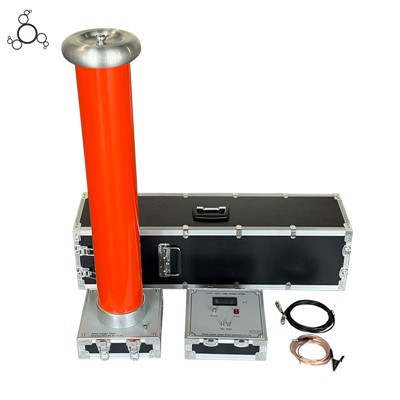
At the end of the day, the right calibration frequency is a balance between accuracy, cost, and operational needs. It’s better to calibrate a bit more often than you think you need to than to deal with the consequences of a bad test result. We’ve seen clients save tens of thousands of dollars in avoided downtime and unnecessary repairs by sticking to a solid calibration schedule. If you’re not sure what schedule makes sense for your facility, or you need help verifying that your current analyzer is working correctly, reach out to our team to discuss your specific needs. We’re here to help you keep your CT PT analyzer accurate, reliable, and compliant.
Transformer Tester References
- International Organization for Standardization. ISO/IEC 17025:2017, General Requirements for the Competence of Testing and Calibration Laboratories.
- North American Electric Reliability Corporation. NERC Standards for Transmission and Distribution Equipment Testing.
- U.S. National Institute of Standards and Technology. Calibration Requirements for Electrical Test Instruments.
- Occupational Safety and Health Administration. Guidelines for Calibration of Industrial Test Equipment.
Wuhan Jiuhua Jingce Power Equipment Co., Ltd.
As one of the most experienced ct pt analyzer manufacturers in China, we offer a wide range of products with superior quality. Please feel free to wholesale bulk durable ct pt analyzer from our factory. For price consultation, contact us.
Address: 601,Unit 1,Building D4-02,Optics Valley Center,303 OpticsValley Avenue,Wuhan
E-mail: market@wuhanjhjc.com
WebSite: https://www.powertransformertester.com/
