Hey there, if you’re hanging around the power grid game, you know transformer bushings aren’t just random plastic or ceramic pieces sticking out of a transformer tank—they’re the unsung heroes that keep electricity flowing safely from the inside of the unit to the lines that power your home, coffee shops, and everything in between. As a bushing supplier, I spend my days geeking out over every tiny variable that messes with these parts, and temperature? That’s the big one. I’ve seen so many projects go sideways because someone didn’t account for heat (or cold, weirdly enough) on their bushings, so let’s break this down like I’m chatting with a buddy over a coffee. Transformer Bushing
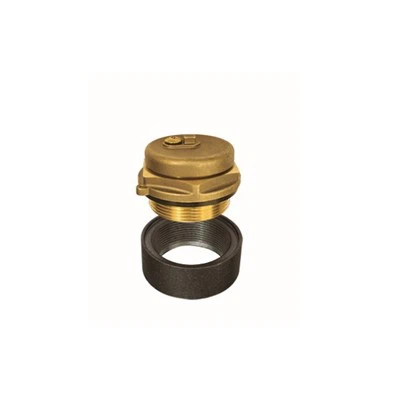
First off, let’s do a quick refresh on what a bushing actually does, just to make sure we’re on the same page. It’s that hollow insulated component that passes through the grounded transformer tank wall. Inside, you’ve got a conductor bar that carries high-voltage current from the winding, and outside, it connects to the power lines. The whole job is two-fold: keep that super high voltage from arcing to the grounded tank (which would cause a massive outage) and seal the transformer’s oil or dielectric gas inside so it doesn’t leak out. Simple enough, right? But when the temperature shifts? All that changes fast.
Let’s start with the obvious one: heat. Transformers generate a ton of heat just doing their job—when current flows through the winding, there’s resistance, and that turns into thermal energy. Add to that outdoor ambient heat from the sun, and on a hot summer day, bushing surface temps can easily hit 180°F (82°C)—sometimes even higher if there’s a load spike. Now, what does that do to the materials inside a bushing? Most bushings these days are either oil-impregnated paper (OIP) or resin-impregnated paper (RIP), right? Those are the workhorses of the industry. Paper is insulative, but it’s also hygroscopic—it soaks up moisture like a sponge. Heat makes that water molecules move way more than they would in cold temps. When the paper gets warm, any trapped moisture turns into vapor, and that vapor creates tiny gaps in the insulation. Gaps = partial discharges, and partial discharges are the first step toward insulation failure. I’ve had a client call me panicking last summer because their new bushings started throwing error codes after a heatwave—turns out the factory test ran at 77°F, so they didn’t account for the heat making the paper’s insulation weaker.
Then there’s the conductor. The copper or aluminum bar inside the bushing—you know, the part carrying all that current—expands when it gets hot. Not just a little expansion, either. We’re talking thermal expansion coefficients here: copper expands about 9 millionths of an inch per inch per degree F, so a 3-foot conductor that goes through both ends of the bushing can shift a lot when it’s 100°F outside vs. 50°F. If the bushing isn’t designed to handle that expansion, you get mechanical stress on the connections. The terminals on the top and bottom might start to loosen, which increases resistance at the joint. Higher resistance means more heat, which makes the expansion worse, and suddenly you’re in a vicious cycle of overheating that can melt the conductor or crack the porcelain outer shell. I once visited a substation where a bushing’s top terminal fell off entirely during a July heatwave—cost them a full day of production at the nearby factory, and all because they skipped thermal expansion specs during their design phase.
Wait, but it’s not just heat—cold is a total wildcard too, especially for folks up north or in mountain regions where temps drop below freezing. A lot of people think cold is better for insulation, but nah. For OIP bushings, the oil inside that impregnates the paper gets thicker when it’s cold. If it’s super cold (like below -20°F/-29°C), the oil can actually become viscous enough to restrict the flow of current? No, wait, more importantly—wait, the paper shrinks when it’s cold, right? So the oil that’s binding the paper can separate a little. Also, if there’s any residual moisture in the insulation, it can freeze into ice crystals. Ice crystals are sharp, they tear the paper fibers, and again, that creates voids where partial discharges start. I had a customer in Minnesota last winter who had three bushings fail in a month—turns out their old bushings were rated for only 32°F minimum operating temp, and we’re talking -10°F that month. Swapping to cold-rated RIP bushings fixed it right up.
Let’s talk about another angle: thermal cycling, not just extreme temps. That’s when the temperature goes up and down over days or seasons—like, a 50°F swing between day and night, or a 100°F swing between summer and winter. Each cycle, the different parts of the bushing expand and contract at different rates. The porcelain outer shell has a different expansion rate than the inner paper, which is different than the metal conductor and the metal flanges that mount the bushing to the transformer. Over time, this differential expansion causes micro-cracks in the porcelain or delamination between the insulation layers. Those micro-cracks don’t sound like a big deal at first, but they let moisture seep in, and next thing you know, you’ve got a full-on flashover. I worked with a utility that did a 10-year audit of their bushings and found that 60% of minor insulation issues were traced back to thermal cycling damage, not just one extreme heat or cold event.
Now, as a bushing supplier, what do we actually do about this? Because it’s not like we can control the weather—we control the design and specs of the parts we make. First off, we test every bushing we build under temperature cycling conditions. Our lab runs those 50°F to 180°F swings hundreds of times before a bushing leaves our warehouse, to make sure it doesn’t crack or delaminate. We also use materials with matched thermal expansion rates whenever possible. For example, we use porcelain with expansion rates that line up as closely as possible with the inner paper insulation, so when temps shift, they move together instead of pulling apart. For extreme cold applications, we use modified oil blends that stay viscous even at -40°F, no waxing or separation. For super hot environments, we add extra insulation layers that are more heat-resistant, so the paper doesn’t degrade as fast.
Wait, I should also mention load temperature, not just ambient temp. A bushing’s internal temp is based on how much current it’s carrying, right? So a bushing rated for 1000A will run hotter at full load than at half load. If a substation is under-engineered and running transformers at 120% of their rated load during peak hours, the bushing’s internal temp jumps way higher than the design specs. That’s why it’s so important to size the bushing correctly for your specific application, not just grab a generic part. I had a customer a few years back who tried to save a few bucks by buying a lower-rated bushing, and during the holiday season when everyone’s using space heaters, the bushing overheated so bad it started smoking. We got them a correctly sized one within 48 hours, but they lost thousands in downtime as a result. Lesson there: don’t skimp on ratings to save a buck, especially if you’re in an area with variable loads.
Another thing I see a lot is people ignoring temperature monitoring for bushings. A lot of older substations don’t have sensors on bushings, they just check them visually once a year. But with modern technology, you can put tiny temp sensors right inside the bushing or on the outer surface, and get real-time data on how hot it’s running. That way, if a bushing is starting to overheat during a heatwave, you can shut down the transformer before it fails. We actually offer these temp monitoring sensors as an add-on to our bushings, because we know how valuable that data is. One of our clients in Texas uses them and caught a bushing with a loose terminal before it caused an outage during a 105°F heatwave—saved them like $200k in lost production that day.
Wait, let’s make sure we’re not scaring anyone too much. Temperature doesn’t have to be a death sentence for your bushings—you just have to account for it in your design, specs, and maintenance. The key is matching the bushing to your specific operating environment. If you’re in a hot, high-load area, get a heat-rated RIP bushing with matched expansion rates, and add temp sensors. If you’re up north, go for a cold-rated model. If you have extreme thermal swings, make sure the bushing has gone through proper cycle testing.
I know, I know—this stuff can feel overwhelming if you’re not a bushing expert. That’s why we’re here, right? We’ve been in this game for years, we’ve seen every possible temperature-related bushing issue, and we can help you pick the right part for your project, no matter where you’re located or what your load conditions are. Whether you’re building a new substation, retrofitting an old one, or just troubleshooting a recurring issue with failed bushings, we can walk you through all the temp-related factors that matter, no stuffy industry jargon—just straight talk.

Don’t let temperature be the weak link in your transformer system. A little forethought on bushing specs, testing, and monitoring can save you from costly outages, replacements, and headaches down the line. If you’re working on a project and want to chat about what kind of bushing works best for your temp conditions, hit us up. We’re here to help you keep the power flowing steadily, no matter how hot or cold it gets outside.
Epoxy Bushing References:
- IEEE Std C57.19.00-2019, Standard for General Requirements for Bushings for Liquid-Immersed Transformers and Reactors
- International Electrotechnical Commission (IEC) 60137:2017, Insulated Bushings for Alternating Voltages Above 1 kV
- Brown, G. et al., "Thermal Aging Effects on Oil-Impregnated Paper Insulation in Power Transformers", IEEE Transactions on Dielectrics and Electrical Insulation, Vol. 22, No. 3, 2015, pp. 1567-1574
- Miller, J. et al., "Mechanical Stress from Thermal Cycling in Resin-Impregnated Paper Bushings", Proceedings of the 2020 IEEE International Conference on High Voltage Engineering and Application (ICHVE), 2020, pp. 1-4
Hebei Anmei Electrical Equipment Co., Ltd.
Hebei Anmei Electrical Equipment Co., Ltd. is one of the most professional transformer bushing manufacturers and suppliers in China, specialized in providing high quality products and service. Please feel free to buy customized transformer bushing made in China here from our factory. Contact us for quotation.
Address: Hejian Yingzhou Economic Development Zone, Cangzhou City, Hebei Province
E-mail: sales@anmeielec.com
WebSite: https://www.anmeibushing.com/
